


 Dollar Strengthens Amid Oil Price Surge and Inflation Fears
  U.S. Senate Greenlights AI Chatbots for Official Staff Use
  U.S. Calls for Reassessment of International Aid to Taliban-Ruled Afghanistan
  After the Iran war, Persian Gulf nations face tough decisions on the US – a former diplomat explains
  China's Trade Surplus Surges Past Forecasts in Early 2026
  German Exports Drop 2.3% in January, Exceeding Forecast Decline
  Iran-U.S. Oil Tensions Escalate as Revolutionary Guards Threaten Strait of Hormuz Blockade
  IEA Releases Record 400 Million Barrels of Oil Amid U.S.-Iran War
  Trump Administration Launches Trade Investigations Against 16 Countries Over Industrial Overcapacity
  Dollar Steadies as Traders Await Clarity on U.S.-Israel-Iran War
  Bank of Japan Expected to Hold Rates at 0.75% Before June Hike Amid Middle East War Uncertainty
  Trump Doubts Iran Mining Reports as Strait of Hormuz Tensions Escalate
  Asian Markets Retreat as Oil Prices Surge Toward $100 Amid Middle East Tensions
  Japan's BOJ Independence Under Fire as PM Takaichi's Rate Stance Draws Political Heat
  U.S. Solar Market Contracts in 2025 as Trump Rolls Back Renewable Energy Incentives
  Taiwan's MQ-9B SkyGuardian Drone Order Stays on Schedule Despite Middle East Conflict
  Ukraine Strikes Russian Missile Component Factory in Bryansk Using British Weapons


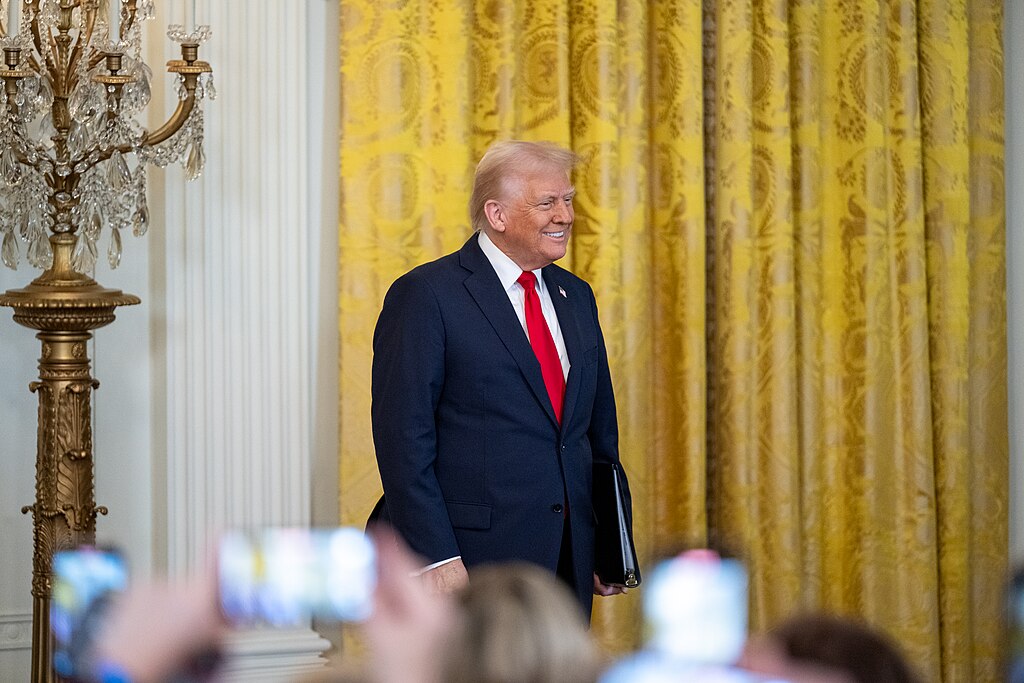
President Donald Trump said Wednesday that he wants the 2027 U.S. military budget to reach $1.5 trillion, a dramatic increase from the $901 billion defense budget approved by Congress for 2026. The proposal immediately boosted defense stocks but raised sharp concerns among budget experts and fiscal watchdogs about feasibility, funding, and long-term debt.
Trump announced the proposed increase in a post on Truth Social, saying the decision followed “long and difficult negotiations” with lawmakers and senior officials amid what he described as increasingly dangerous global conditions. Any such jump in defense spending would still require congressional authorization, which could prove challenging despite Republicans holding narrow majorities in both the House and Senate.
The proposal comes as Trump pursues an aggressive national security posture. In recent days, U.S. forces reportedly seized Venezuelan leader Nicolas Maduro, removing him from power. The White House has also acknowledged discussions about acquiring Greenland, including potential military involvement, and Trump has ordered U.S. troops to assist with policing in several American cities.
In a separate Truth Social post, Trump criticized major defense contractors for slow weapons production. He pledged to block dividend payments and share buybacks by defense companies until production accelerates, signaling a tougher stance on industry practices even as overall defense spending rises.
Trump argued the additional military spending would be funded by revenues from sweeping tariffs imposed on nearly every country and multiple industrial sectors. He claimed the U.S. could still reduce national debt and issue dividend-style payments to “moderate income” Americans.
However, the Committee for a Responsible Federal Budget estimates the plan would cost about $5 trillion through 2035 and add $5.8 trillion to the national debt when interest is included. The group noted that current tariffs could cover only about half the cost and warned that the Supreme Court may invalidate some tariffs. The Bipartisan Policy Center estimates tariffs generated $288 billion in 2025, far below Trump’s recent claims of roughly $600 billion.
Despite skepticism, investors reacted positively. After-hours trading saw Lockheed Martin shares rise 6.2%, General Dynamics gain 4.4%, and RTX climb 3.5%, reflecting expectations that higher Pentagon spending would significantly boost defense sector revenues.













