


 Pakistan's Diplomatic Rise: Mediating U.S.-Iran Peace Talks
  Trump Says Iran Offered Major Energy Concession Amid Ongoing Negotiations
  Russia-Iran Military Alliance Deepens With Drone Shipments Amid Middle East Tensions
  Middle East War Rattles Global Markets as Oil Tops $100 and Dollar Surges
  Iran-U.S. Negotiations: Tehran Reviews American Peace Proposal Amid Ongoing Gulf Conflict
  U.S. Futures Slide as Iran Denies Nuclear Talks with Washington
  U.S.-Iran Peace Talks Gain Momentum Amid Ongoing Conflict
  Japan Eyes Oil Futures Intervention to Stabilize Yen Amid Middle East Crisis
  UK Consumer Confidence Weakens Amid Middle East Conflict and Rising Living Costs
  Trump Seeks Quick End to U.S.-Iran Conflict Amid Ongoing Middle East Tensions
  Iran-Israel Missile Strikes Continue Amid Mixed Signals on U.S.-Iran Diplomacy
  Australia's Inflation Eases in February but Core Pressures Persist
  Maduro Faces Rare Narcoterrorism Charges in U.S. Court
  Wall Street Slides as Iran War Uncertainty, Oil Surge, and AI Fears Rattle Markets
  Russia Strikes Kharkiv and Izmail as Cross-Border Drone War Escalates
  U.S. Oil Prices Slide as Middle East Ceasefire Talks Spark Market Optimism
  Trump to Visit China in May for High-Stakes Xi Summit Amid Iran War


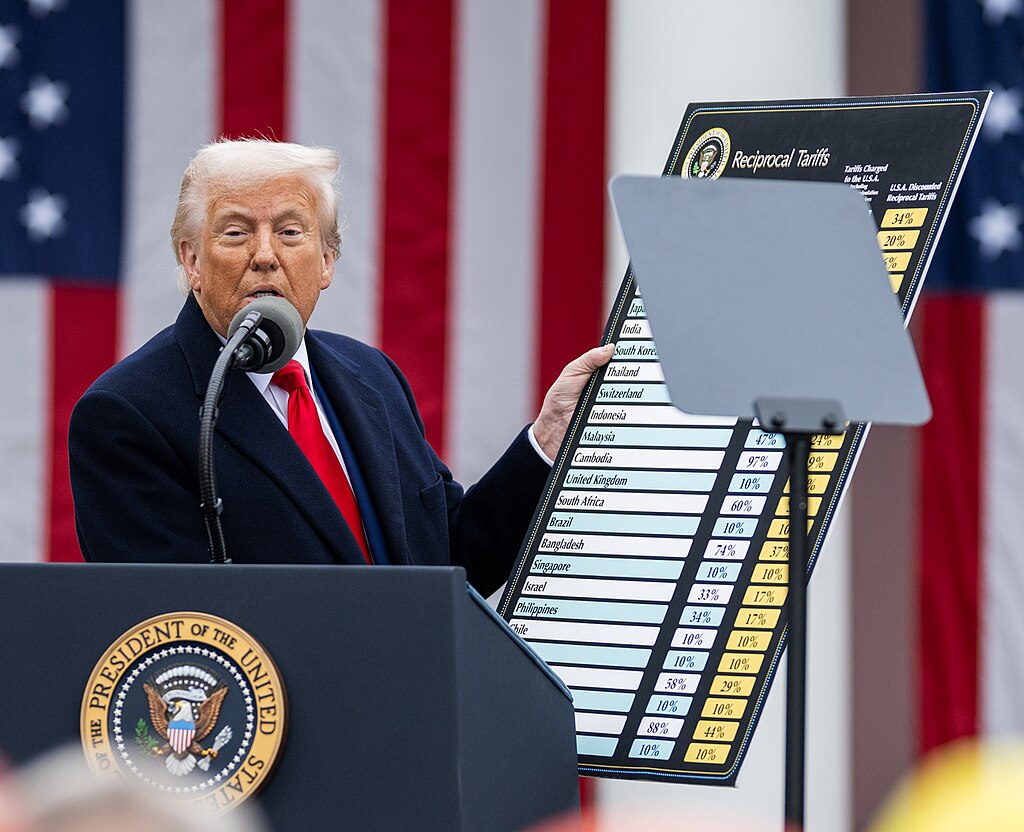
President Donald Trump announced sweeping new tariffs aimed at addressing what he calls “unfair trade practices” by foreign nations. Starting April 5, a baseline 10% reciprocal tariff will be imposed on all imported goods into the United States. Countries imposing higher tariffs or non-tariff barriers on U.S. exports will face additional levies starting April 9, with rates reaching up to half the value of those they impose on American goods.
Trump emphasized the move as a strategy to restore U.S. manufacturing strength and rebalance global trade. “Reciprocal means they do it to us, we do it to them,” he said during a Rose Garden speech. The policy includes tariffs based on not just existing duties, but also currency manipulation and hidden trade barriers like the EU's VAT.
China, which imposes a 67% tariff on U.S. products, will be hit hardest, facing a new 34% tariff, on top of an existing 20% duty, raising the total to 54%. Other countries like the UK and Brazil, which charge a 10% tariff on U.S. goods, will face a 10% matching tariff under the baseline policy.
In addition, the 25% tariffs on imported automobiles and auto parts will take effect at midnight. Mexico and Canada will also face 25% duties on goods not compliant with the U.S.-Mexico-Canada Agreement, while the steel and aluminum tariffs remain in force.
The move triggered concerns about a global trade war, with U.S. stock futures dropping—S&P 500 down 1.6%. China, Japan, and South Korea have signaled plans for a joint response, while EU President Ursula von der Leyen warned of “strong retaliation” if necessary.
The administration claims the tariffs will boost domestic production, reduce trade deficits, and lead to lower prices through increased competition.













