


 U.S. and Russia Hold Diplomatic Talks in Florida Amid Ongoing Tensions
  IEA Releases Record 400 Million Barrels of Oil Amid U.S.-Iran War
  German Exports Drop 2.3% in January, Exceeding Forecast Decline
  Shots Fired at U.S. Consulate in Toronto in Suspected National Security Incident
  ANZ and Westpac Forecast Two RBA Rate Hikes in March and May 2026
  Gold Prices Climb Above $5,200 as Iran War Uncertainty and Inflation Data Loom
  Iran-U.S. Oil Tensions Escalate as Revolutionary Guards Threaten Strait of Hormuz Blockade
  Dollar Strengthens Amid Oil Price Surge and Inflation Fears
  U.S. Futures Slide as Oil Prices Surge on Middle East Shipping Attacks
  Russian Drone Strikes Hit Kharkiv and Dnipro, Injuring Over 20 Civilians
  Asian Stock Markets Rise as Oil Prices Pull Back; U.S. CPI in Focus
  Pentagon Taps Wall Street Talent to Manage $200 Billion Defense Investment Fund
  RBA Rate Decision: Deputy Governor Signals Genuine Debate Ahead of March Meeting
  IEA Plans Record Emergency Oil Release Amid Iran Strait of Hormuz Crisis
  Taiwan's MQ-9B SkyGuardian Drone Order Stays on Schedule Despite Middle East Conflict
  Oil Prices Surge Toward $100/Barrel After Tanker Attacks in Iraqi Waters
  Dollar Steadies as Traders Await Clarity on U.S.-Israel-Iran War


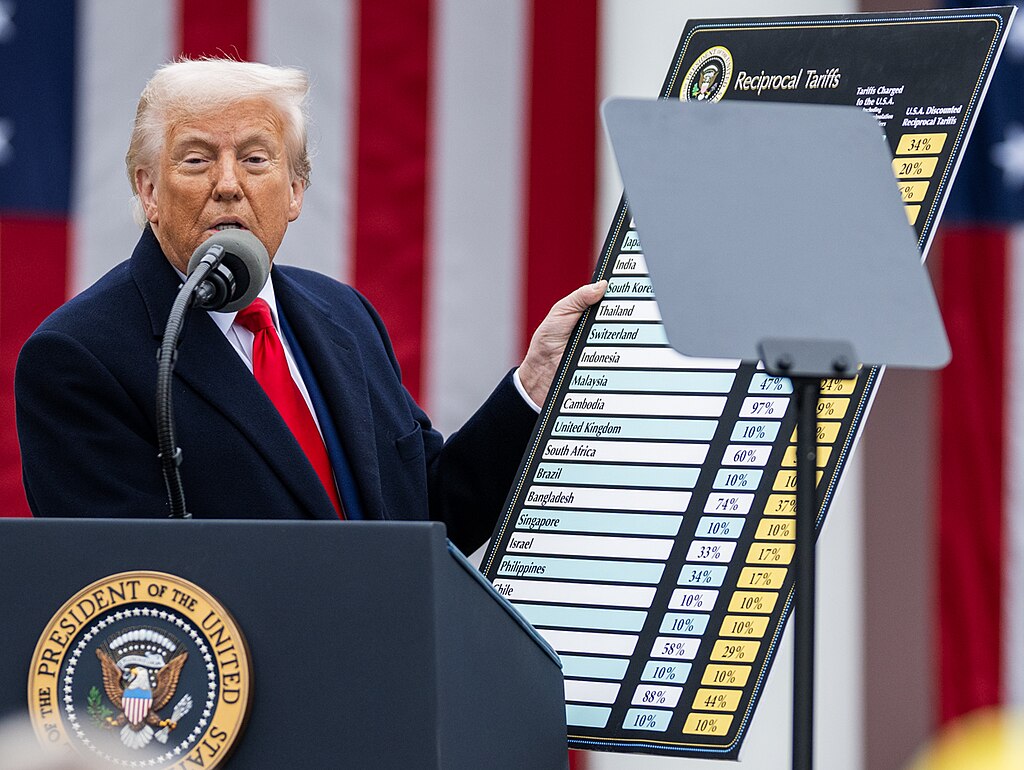
U.S. President Donald Trump signed a proclamation on Wednesday to delay planned tariff increases on upholstered furniture, kitchen cabinets, and bathroom vanities for an additional year, according to a statement from the White House. The decision extends existing tariff relief for these consumer and housing-related products, offering temporary certainty to importers, retailers, manufacturers, and American consumers.
The delayed tariffs are part of broader U.S. trade measures that were originally imposed to protect domestic industries and address trade imbalances. However, the administration acknowledged that certain sectors remain vulnerable to higher costs and supply chain disruptions. By postponing the tariff hikes, the White House aims to reduce economic pressure on businesses that rely heavily on imported components and finished goods, particularly in the home furnishings and construction markets.
Upholstered furniture, kitchen cabinets, and vanities are widely used in residential construction, home renovation, and interior design projects. Industry groups have long argued that higher tariffs on these products could lead to increased prices for consumers, slower housing activity, and reduced competitiveness for U.S. retailers. The one-year delay is expected to help stabilize prices and allow companies more time to adjust sourcing strategies or expand domestic production.
The proclamation also reflects ongoing uncertainty in global trade conditions, including shifting supply chains and fluctuating demand. Retailers and manufacturers have faced rising costs due to logistics challenges and inflation, making tariff relief a key concern for the sector. Extending the delay may help businesses manage costs while continuing to meet consumer demand.
While the tariff increases have been postponed, the administration emphasized that the measure is temporary. Companies are encouraged to use the additional time to prepare for potential future changes in trade policy. As debates over tariffs, trade protection, and domestic manufacturing continue, the decision underscores the administration’s balancing act between supporting U.S. industries and limiting the economic impact on consumers.
For now, the delay provides short-term relief and predictability for the home furnishings and cabinetry market, which plays a significant role in the broader U.S. housing and retail economy.













