


 Australia Plans Higher Fines for Social Media Firms Failing to Block Underage Users
  Ukraine Strikes Russian Titan-Barrikady Plant With Long-Range FP-5 Flamingo Missile
  Supreme Court Backs Lisa Cook, Defends Federal Reserve Independence Against Trump Firing Attempt
  Iran Launches Drone Attack on Bahrain After U.S. Strikes, Strait of Hormuz Tensions Escalate
  Despite its best efforts, Iran won’t be able to toll the Strait of Hormuz. Here’s why
  Andy Burnham Sets Out Vision to Decentralize Britain as Labour Leadership Race Begins
  Mexico, U.S. Launch Sterile Fly Facility to Combat New World Screwworm Outbreak
  Maria Corina Machado’s Return to Venezuela Faces U.S. Hesitation After Deadly Earthquakes
  Canada Grants C$7 Million to Greenland Molybdenum Mine to Strengthen Critical Minerals Supply
  China Expands Export Controls, Adds 20 Japanese Companies to Restricted List
  US Strikes Iran Again After Strait of Hormuz Tanker Attack Escalates Ceasefire Tensions
  Trump Urges Gasoline Retailers to Cut Prices to $2.50 Per Gallon, Warns of Legal Action
  Sheinbaum Says No One Is Above the Law After Abuse Video of Ex-Pemex Chief Emerges
  Australia, Vanuatu Sign Security Pact Amid Pacific Influence Competition
  Trump Signs Memorandum Backing Americans’ Right to Repair Their Own Vehicles
  Trump Suspends Some Morocco Fertilizer Tariffs to Ease U.S. Supply Shortage


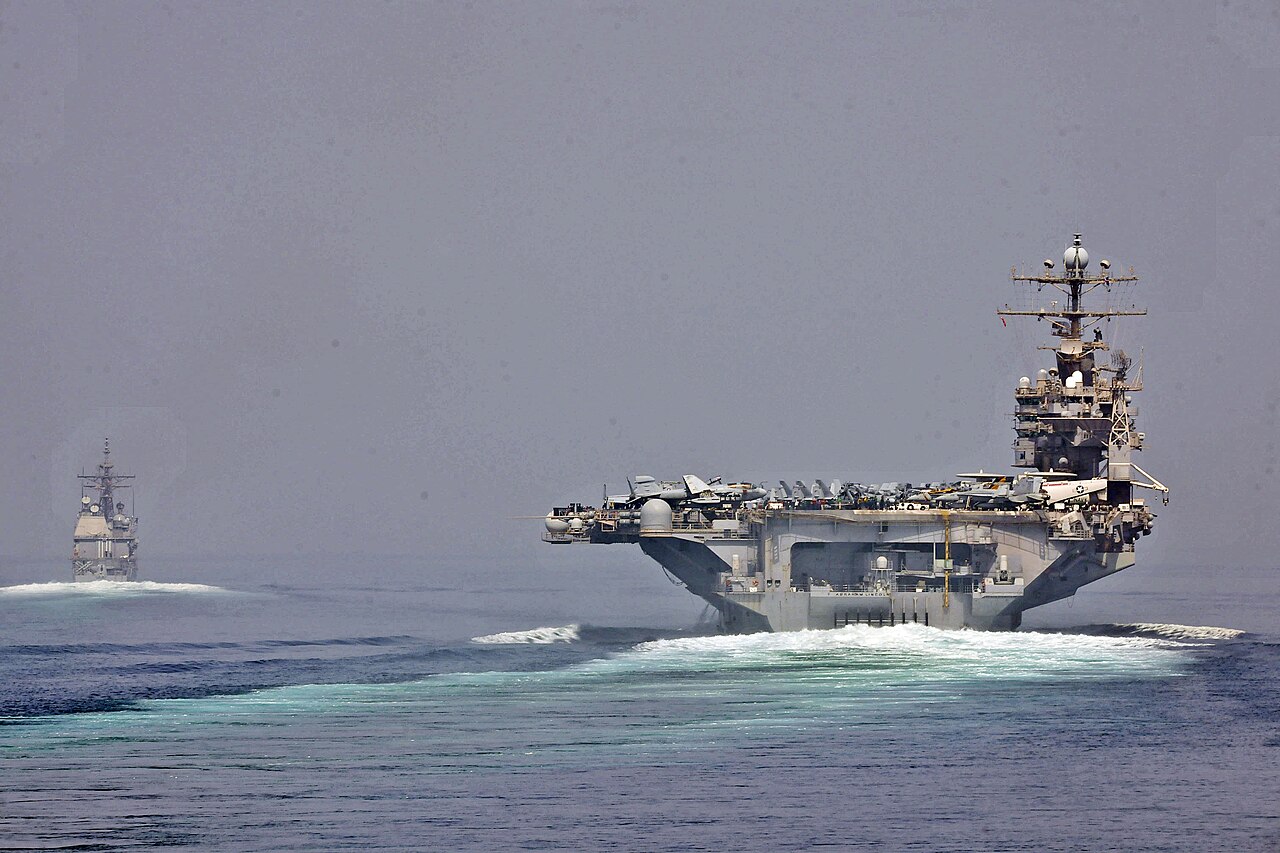
President Donald Trump announced Wednesday that the United States will actively support the flow of maritime traffic through the Strait of Hormuz, one of the world's most strategically critical waterways. Speaking publicly, Trump stated that American forces would be stationed in the area loaded with supplies, ready to ensure smooth and secure passage through the strait.
"There will be lots of positive action! Big money will be made. Iran can start the reconstruction process," Trump added, signaling both economic optimism and a potential diplomatic opening for Tehran.
The announcement follows a significant geopolitical development on Tuesday, when Trump agreed to a two-week ceasefire with Iran — a deal reached less than two hours before his self-imposed deadline. Trump had previously threatened military strikes on Iranian civilian infrastructure if Tehran refused to reopen the Strait of Hormuz to international shipping. The last-minute agreement avoided what could have been a major escalation in U.S.-Iran tensions.
The Strait of Hormuz is a narrow but vital chokepoint through which an estimated 20% of the world's oil supply passes daily, making any disruption a serious concern for global energy markets and international trade. Control or closure of the strait has long been considered one of Iran's most powerful geopolitical leverage points.
With the two-week ceasefire now in place, the U.S. military presence in the region is being positioned as a stabilizing force rather than an offensive one. Trump's remarks suggest Washington is hoping this window of de-escalation could pave the way for broader negotiations and economic recovery for Iran.
The situation remains fluid, and global markets, allied governments, and international observers are closely watching how both Washington and Tehran navigate this fragile but potentially pivotal diplomatic moment.







