


 Shots Fired at U.S. Consulate in Toronto in Suspected National Security Incident
  Boeing Secures $289 Million Smart Bomb Contract With Israel
  Asian Markets Retreat as Oil Prices Surge Toward $100 Amid Middle East Tensions
  Japan's BOJ Independence Under Fire as PM Takaichi's Rate Stance Draws Political Heat
  IEA Releases Record 400 Million Barrels of Oil Amid U.S.-Iran War
  U.S.-Israel War on Iran Sends Crude Oil Prices Surging Amid Strait of Hormuz Tensions
  Ukraine Strikes Russian Missile Component Factory in Bryansk Using British Weapons
  German Exports Drop 2.3% in January, Exceeding Forecast Decline
  Oil Prices Surge Toward $100/Barrel After Tanker Attacks in Iraqi Waters
  Bank of Japan Expected to Hold Rates at 0.75% Before June Hike Amid Middle East War Uncertainty
  U.S. Senate Greenlights AI Chatbots for Official Staff Use
  ANZ and Westpac Forecast Two RBA Rate Hikes in March and May 2026
  RBA Rate Decision: Deputy Governor Signals Genuine Debate Ahead of March Meeting
  IEA Plans Record Emergency Oil Release Amid Iran Strait of Hormuz Crisis
  Venezuela Names Paula Henao as New Oil Minister Amid U.S.-Led Industry Overhaul
  Iran's Government Remains Stable Despite U.S. and Israeli Strikes, Intelligence Shows
  Taiwan's MQ-9B SkyGuardian Drone Order Stays on Schedule Despite Middle East Conflict


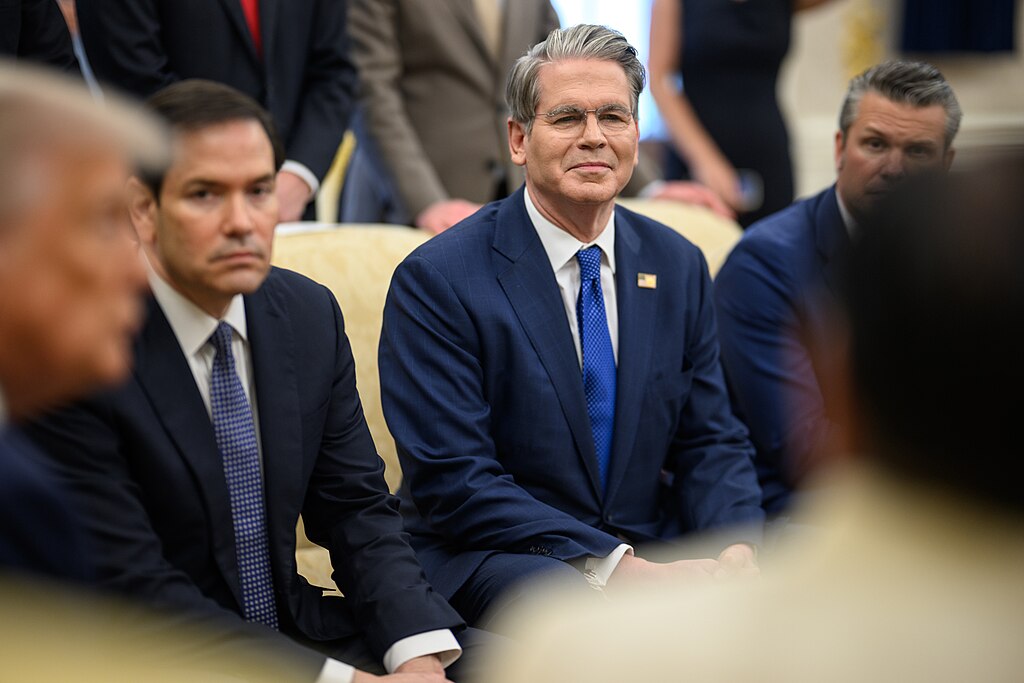
The Trump administration has launched a new effort to support the U.S. housing market by stepping into mortgage-backed securities (MBS) purchases, aiming to counterbalance the Federal Reserve’s ongoing reduction of such assets from its balance sheet. U.S. Treasury Secretary Scott Bessent said the strategy is designed to roughly match the pace at which the Fed is allowing mortgage-backed bonds to roll off, a move that could help stabilize mortgage markets amid persistent affordability challenges.
In an interview with Reuters, Bessent explained that the Federal Reserve has been reducing its holdings of mortgage-backed securities by about $15 billion per month. The Fed currently holds just over $2 trillion in MBS, down significantly from levels accumulated during past economic crises, including the global financial crisis and the COVID-19 pandemic. Some analysts argue this steady reduction has kept mortgage rates higher than they otherwise might be.
To address these pressures, President Donald Trump ordered the Federal Housing Finance Agency (FHFA) to direct Fannie Mae and Freddie Mac to purchase up to $200 billion in bonds issued by the two government-sponsored enterprises. FHFA Director William Pulte confirmed that the initiative has already begun, starting with an initial $3 billion round of purchases funded through the firms’ own balance sheets.
While Bessent noted the purchases are unlikely to directly lower mortgage rates, he said they could indirectly help by narrowing the yield spread between Fannie Mae and Freddie Mac securities and U.S. Treasuries. The average rate on a 30-year fixed mortgage has declined to around 6.2%, down from nearly 8% in 2024, but remains well above the roughly 3% levels seen during the pandemic.
Higher borrowing costs combined with elevated home prices have intensified housing affordability concerns, which continue to weigh on President Trump’s approval ratings. Fannie Mae and Freddie Mac play a crucial role in the housing market by buying mortgages from lenders, bundling them into securities, and selling them to investors, a process that frees up capital for new home loans.
The administration has also revived discussions about reprivatizing Fannie Mae and Freddie Mac, which have been under government control since 2008. Bessent emphasized that the new bond purchases would not weaken the firms’ financial positions and could potentially boost their earnings, reinforcing their ability to support the housing finance system.













