


 Johns Hopkins University Lays Off 110 Employees as Federal Research Funding Declines
  US Approves $250 Million Fighter Jet Training Sale to Australia
  Taiwan Coast Guard Officer Finds Strength in Faith as China Increases Pressure in Taiwan Strait
  Trump Administration Rejects Claims of Rift Between JD Vance and Marco Rubio on Iran Policy
  Serbia President Aleksandar Vucic to Resign, Calls Early Elections After Months of Protests
  Trump Threatens 100% Tariffs on Countries Imposing Digital Services Taxes on U.S. Tech Firms
  US Seizes Nearly 400 Illegal World Cup Streaming Domains in Global Anti-Piracy Crackdown
  Mexico, U.S. Launch Sterile Fly Facility to Combat New World Screwworm Outbreak
  Russian Attacks Kill Four in Ukraine as Zaporizhzhia and Kharkiv Come Under Fire
  Iran Launches Drone Attack on Bahrain After U.S. Strikes, Strait of Hormuz Tensions Escalate
  US Strikes Iran Again After Strait of Hormuz Tanker Attack Escalates Ceasefire Tensions
  China Expands Export Controls, Adds 20 Japanese Companies to Restricted List
  Trump Announces September Overhaul of Washington’s East Potomac Golf Links
  Andy Burnham Sets Out Vision to Decentralize Britain as Labour Leadership Race Begins
  Javier Milei Cabinet Chief Manuel Adorni Resigns Amid Spending Scandal Investigation
  Maria Corina Machado’s Return to Venezuela Faces U.S. Hesitation After Deadly Earthquakes


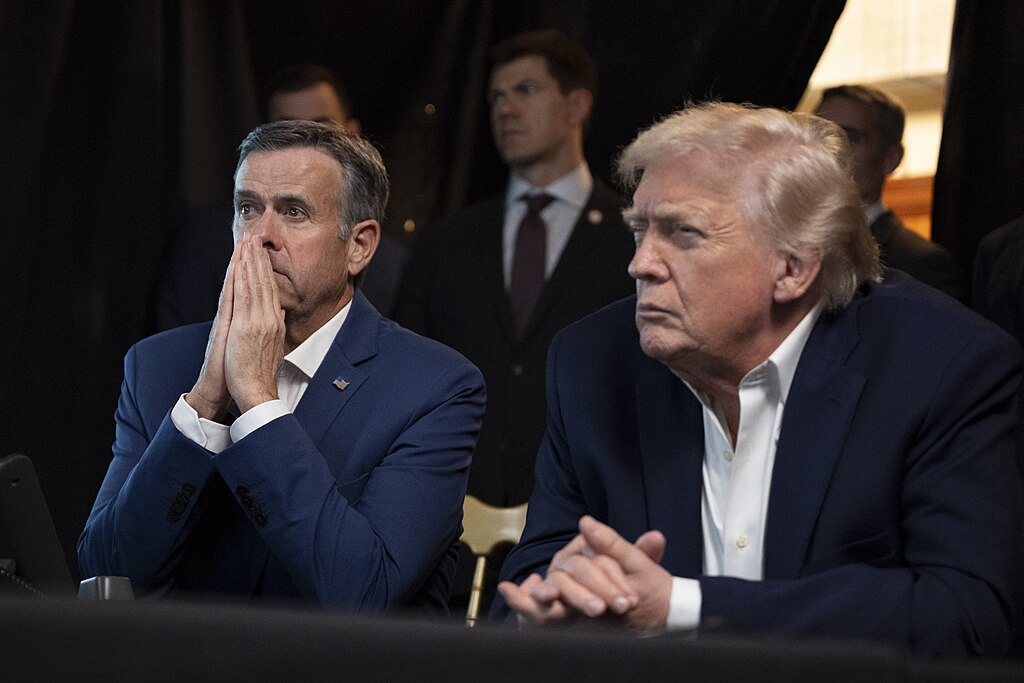
The Trump administration is reportedly proposing that countries pay as much as $1 billion to secure a seat on a newly envisioned international “peace board,” according to a Bloomberg News report published Saturday. The report cites a draft charter outlining the structure and financial expectations of the proposed body, which is said to be designed to influence global peace and security discussions under U.S. leadership.
According to the draft charter referenced by Bloomberg, United States President Donald Trump would serve as the inaugural chairman of the peace board. Member nations would be allowed to serve terms of no more than three years starting from the charter’s entry into force. However, those terms would be subject to renewal at the discretion of the chairman, a provision that could centralize authority within the role held by Trump.
The proposed $1 billion contribution requirement has already sparked significant attention, as it would represent an unprecedented financial barrier for participation in an international peace-focused body. While supporters may argue that such a structure ensures commitment and resources, critics could view it as exclusionary and politically motivated.
Reuters reported that it was unable to independently verify the details outlined in the Bloomberg News story. In response to Reuters’ inquiry, the U.S. State Department did not directly confirm or deny the reported $1 billion figure. Instead, the department referred journalists to earlier social media posts made by President Trump and his special envoy, Steve Witkoff, which discussed the peace board concept in broad terms but did not mention any specific financial requirements for member states.
At this stage, many aspects of the proposed peace board remain unclear, including its legal framework, enforcement powers, and international reception. The absence of official confirmation leaves open questions about whether the draft charter reflects a finalized policy direction or an early-stage proposal.
If implemented, the initiative could significantly reshape how the United States positions itself in global diplomacy, particularly under Trump’s leadership style, which has often emphasized transactional relationships and direct negotiation. As more details emerge, governments and international observers will be closely watching to assess the potential impact of this proposed peace board on global governance and international relations.







