


 U.S. Budget Airlines Seek $2.5 Billion Government Aid Amid Rising Jet Fuel Costs
  New York Moves to Ban Masked Law Enforcement During Immigration Operations
  US Revises UN Resolution on Iran Strait of Hormuz Attacks Amid Russia-China Opposition
  Vietnam Plans AI-Driven Propaganda Push With Influencers and Podcasts
  Trump Administration Dismisses Entire National Science Board, Sparking Debate Over Scientific Independence
  Trump Inspects Lincoln Memorial Reflecting Pool Renovation in Washington
  US Adds European Union to Section 301 Watchlist Amid Trade Concerns
  Judge Delays SEC Settlement With Elon Musk Over Twitter Stock Disclosure Case
  Trump Expands Cuba Sanctions Targeting Key Sectors and Foreign Entities
  FEMA Reinstates Employees After Dissent Letter, Signaling Shift in Workforce Stability
  Judge Rules Use of Military Lawyers in Civilian Prosecutions Is Lawful
  Australia’s Wealthy Donors Shift Support to One Nation Amid Conservative Party Decline
  US to Withdraw 5,000 Troops from Germany Amid Growing Rift with European Allies
  Rubio Presses Italy Over Iran Support as Tensions Test U.S.-Italy Alliance
  US Reviews Mexican Consulates Amid Rising Diplomatic Tensions
  White House Withdraws Trump’s National Park Service Nominee Amid Criticism
  Pope Leo Calls for Peace as Vatican Seeks Better Ties With U.S.


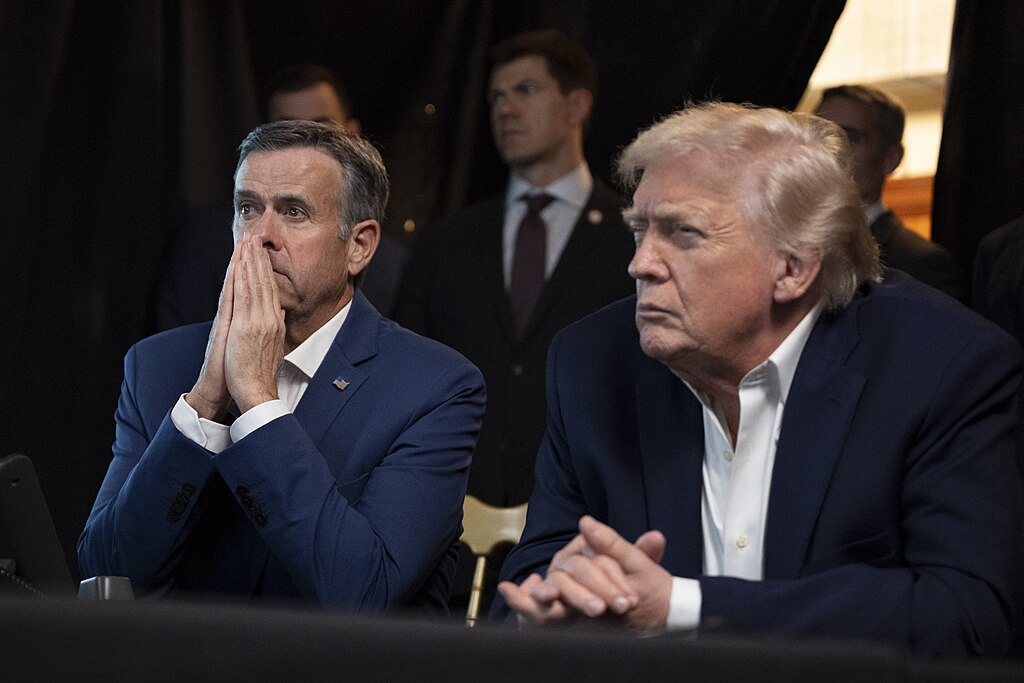
U.S. President Donald Trump announced that the United States will withdraw from dozens of international and United Nations-affiliated organizations, citing concerns that many of them operate against U.S. national interests. According to a memo sent to senior administration officials, the plan includes exiting 35 non-U.N. groups and 31 U.N. entities as part of a broader review of America’s involvement in international institutions.
Among the most significant withdrawals is the U.N. Framework Convention on Climate Change (UNFCCC), widely regarded as the foundation of global climate governance and the parent agreement to the 2015 Paris climate accord. If completed, the move would make the United States the first country to leave the UNFCCC, a treaty to which every other nation remains a party. Climate advocates argue that stepping away reduces U.S. influence over global economic and environmental policy tied to climate change.
The United States will also withdraw from UN Women, the U.N. agency dedicated to promoting gender equality and women’s empowerment, as well as the U.N. Population Fund (UNFPA), which supports family planning, maternal health, and child health programs in more than 150 countries. U.S. funding for UNFPA had already been cut last year.
The memo states that for U.N. entities, withdrawal means ending participation and funding to the extent allowed by law. The Trump administration has already sharply reduced voluntary U.S. contributions to many U.N. agencies. The White House described the affected organizations as promoting “radical climate policies, global governance, and ideological programs” that conflict with U.S. sovereignty and economic priorities.
This decision aligns with Trump’s long-standing skepticism toward multilateral organizations. Since the start of his second term, the administration has halted engagement with the U.N. Human Rights Council, extended a funding freeze to UNRWA, exited UNESCO, and announced plans to leave the World Health Organization and the Paris climate agreement.
Other entities on the withdrawal list include the U.N. Conference on Trade and Development, the International Energy Forum, the U.N. Register of Conventional Arms, and the U.N. Peacebuilding Commission. The White House said the goal is to redirect U.S. taxpayer dollars toward initiatives that more directly and efficiently serve American interests.







