


 SK Hynix Prices Record U.S. ADR Offering at $149 After $200 Billion Investor Demand
  Nippon Paint Reportedly Offers Up to €7.5 Billion for Akzo Nobel Decorative Paints Business
  OpenAI Executive Fidji Simo to Step Down Amid Health Challenges Ahead of IPO
  Morgan Stanley Says China’s Reusable Rocket Progress Poses Long-Term Challenge to SpaceX
  Australia Flags Child Safety Gaps at Apple, Meta, Google Over Online Sexual Extortion
  Goldman AM Sees Strong Buyout Opportunities in Japan, South Korea and Australia
  Morgan Stanley Names Marks & Spencer Top European Retail Pick, Sees Strong Upside
  Levi Strauss Raises 2026 Outlook After Q2 Earnings Beat, Shares Drop Despite Strong Results
  Yaskawa Electric Shares Slide as Weak Profit Overshadows Strong AI Demand
  SK Hynix Shares Drop After Strong Nasdaq Debut Despite $26 Billion ADR Listing
  Deutsche Bank Fined A$2 Million by ASIC Over OTC Derivatives Reporting Errors
  Paramount-Warner Bros. Discovery Merger Faces Lawsuit From 12 States
  SK Hynix Soars 13% in Nasdaq Debut After Record $26.5 Billion IPO
  Nvidia Tightens AI Chip Sales in Asia With Stricter Customer Approval Process
  Apple Sues OpenAI, Former Employees Over Alleged Trade Secret Theft
  UBS Starts CarTrade Tech With Buy Rating, Sees Strong Earnings Growth and ₹4,000 Target
  Stellantis Q2 Vehicle Shipments Rise 10% as North America Drives Growth


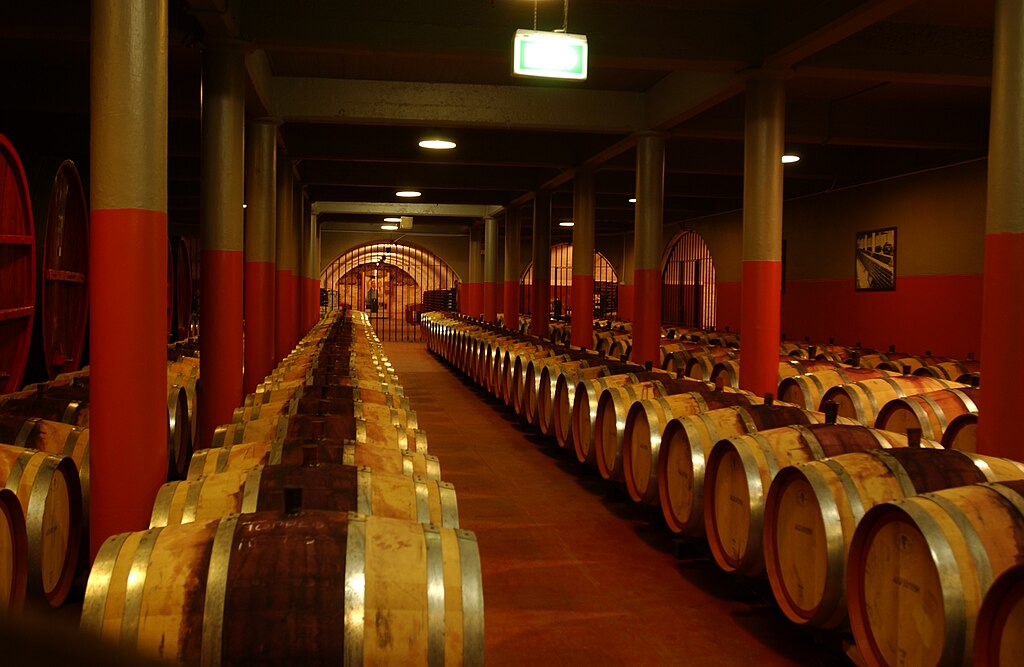
Shares of Treasury Wine Estates (ASX:TWE) fell sharply on Wednesday after the Australian wine giant warned of weaker near-term trading conditions in its two most important markets, the United States and China. The update rattled investors, sending the company’s Sydney-listed shares down as much as 17% to A$4.57, marking their lowest level since January 2015 and wiping significant value from its market capitalization.
Treasury Wine Estates said global wine category dynamics have softened in recent months, with demand conditions deteriorating more than previously expected. The company highlighted that any meaningful near-term recovery in the U.S. and China now appears unlikely, prompting management to flag substantial pressure on earnings in the first half of fiscal 2026. This outlook shift underscores the challenges facing premium wine producers amid changing consumer behavior, inventory imbalances, and distribution disruptions.
In response to the weaker demand environment, Treasury Wine announced plans to scale back shipment volumes to better align with lower depletion growth and to reduce elevated inventory levels held by customers in both the U.S. and China. The company forecast first-half fiscal 2026 earnings before interest and tax (EBIT) of between A$225 million and A$235 million, a steep decline from A$391.4 million reported in the same period last year. This earnings downgrade was a key driver behind the sharp sell-off in Treasury Wine Estates shares.
China remains a particular area of concern, with the company citing ongoing disruption from parallel imports that are undermining pricing for its flagship Penfolds brand. To address this issue, Treasury Wine said it would restrict shipments linked to parallel trade and reduce distributor inventories by approximately 0.4 million cases over a two-year period. In the U.S., weaker demand in California, combined with disruption caused by a distribution transition, has weighed on performance, with national depletions down year-to-date.
Adding to investor unease, Treasury Wine Estates also cancelled its on-market share buyback program of up to A$200 million, citing the need to preserve balance sheet flexibility. The company had completed A$30.5 million in buybacks earlier in the year. The decision highlights management’s cautious stance as it navigates challenging market conditions and seeks to protect long-term financial stability.







