


 Trump Doubts Iran Mining Reports as Strait of Hormuz Tensions Escalate
  Iran's Government Remains Stable Despite U.S. and Israeli Strikes, Intelligence Shows
  FBI Warns of Possible Iranian Drone Attacks on California Amid U.S.-Iran War
  Pentagon Taps Wall Street Talent to Manage $200 Billion Defense Investment Fund
  Iran Mines Strait of Hormuz: Crude Oil Prices Surge Amid Middle East Tensions
  Iran-Israel War Sparks Global Oil Crisis as Tankers Burn in Gulf Waters
  Israel-Iran War: Herzog Urges Patience as U.S. and Israeli Strikes Intensify
  Venezuela Names Paula Henao as New Oil Minister Amid U.S.-Led Industry Overhaul
  Russian Drone Strikes Hit Kharkiv and Dnipro, Injuring Over 20 Civilians
  Trump Hints at Possible U.S. Takeover of Cuba Amid Deepening Humanitarian Crisis
  Boeing Secures $289 Million Smart Bomb Contract With Israel
  Ukraine Strikes Russian Missile Component Factory in Bryansk Using British Weapons
  Bipartisan Housing Bill Advances in Senate, Aims to Tackle U.S. Affordability Crisis
  Japan's BOJ Independence Under Fire as PM Takaichi's Rate Stance Draws Political Heat
  Trump Announces New U.S. Oil Refinery in Texas with Indian Energy Giant Reliance
  Trump Administration Launches Trade Investigations Against 16 Countries Over Industrial Overcapacity
  IEA Releases Record 400 Million Barrels of Oil Amid U.S.-Iran War


Thailand and Cambodia have agreed to a new ceasefire aimed at ending weeks of intense border fighting, marking a critical step toward easing one of Southeast Asia’s most serious military confrontations in years. The truce, which took effect at noon on Saturday, appeared to be holding in its early hours, according to Thai officials, raising hopes for stability along the long-disputed frontier.
A spokesperson for Thailand’s Defence Ministry confirmed that there were no reports of gunfire in the hours following the ceasefire’s implementation. Cambodian defence authorities also reported no new clashes after alleging a Thai airstrike earlier in the day, prior to the announcement of the agreement. The ceasefire was formally signed by Thai Defence Minister Natthaphon Narkphanit and Cambodian Defence Minister Tea Seiha.
The agreement brings an end to around 20 days of heavy fighting that resulted in at least 101 deaths and displaced more than 500,000 people on both sides of the border. The clashes involved fighter jets, artillery barrages, rocket fire, and ground troop engagements, making it the most severe escalation between the two neighbours in over a decade. Both sides agreed to maintain current troop positions and avoid reinforcements, warning that any movement could heighten tensions and undermine long-term peace efforts.
This latest ceasefire follows the collapse of an earlier truce brokered with support from U.S. President Donald Trump and Malaysian Prime Minister Anwar Ibrahim. Fighting reignited earlier this month after both sides accused each other of violating prior agreements, with violence spreading from forested border areas near Laos to coastal provinces along the Gulf of Thailand.
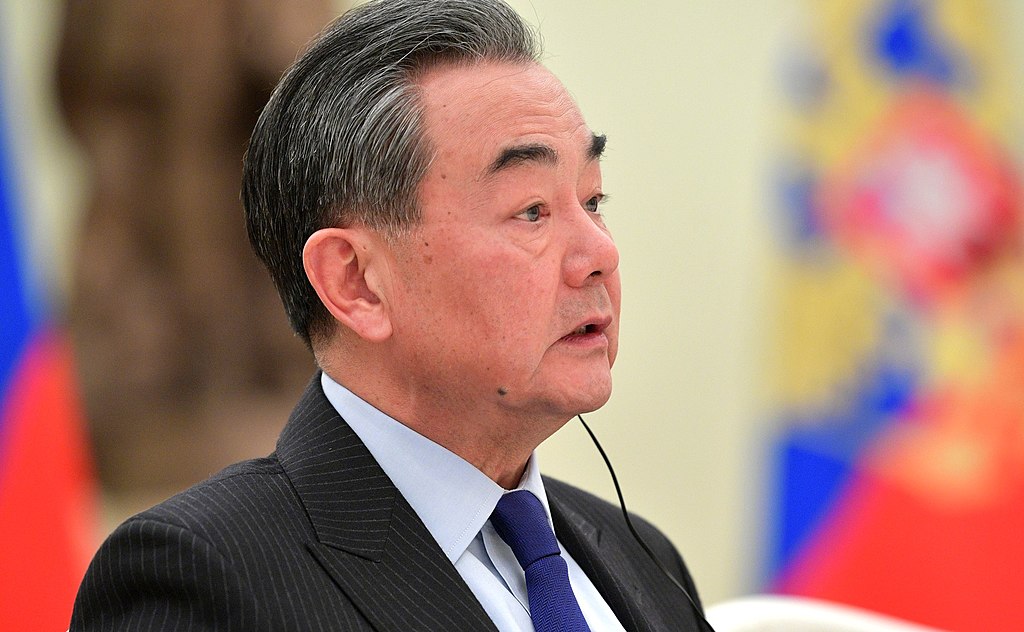
The new truce will be monitored by observers from the Association of Southeast Asian Nations (ASEAN), alongside direct military-to-military communication between Thailand and Cambodia. Diplomatic efforts are also continuing, with senior officials from both countries set to meet China’s Foreign Minister Wang Yi in Yunnan to discuss the border situation.
As part of the agreement, displaced civilians will be allowed to return home, and Thailand has pledged to release 18 Cambodian soldiers held since earlier clashes if the ceasefire holds for 72 hours. Despite the progress, ongoing border demarcation disputes remain unresolved and will be handled through existing bilateral mechanisms, highlighting that while guns may be silent for now, deeper issues still require diplomatic solutions.













