


 Alibaba Bets on AI Agents to Unify Its Vast Digital Ecosystem
  NVIDIA's Feynman AI Chip May Face Redesign Amid TSMC Capacity Crunch
  Trump White House Unveils National AI Policy Framework for Congress
  Jeff Bezos Eyes $100 Billion Fund to Transform Manufacturing With AI
  Delivery Hero Sells Taiwan Foodpanda to Grab for $600 Million in Debt-Reduction Push
  NAB Plans to Cut 170 Jobs While Expanding Offshore Operations
  Meta Ties Executive Pay to Aggressive Stock Price Targets in Major Retention Push
  Merck's $6 Billion Bid for Terns Pharma Signals Bold Oncology Push
  NVIDIA Resumes China AI Chip Production Amid $1 Trillion Revenue Forecast
  Innate Pharma Reports 55% Revenue Drop and €49.2M Net Loss for 2025
  SpaceX IPO Filing Expected This Week as Valuation Could Surpass $75 Billion
  Henkel in Advanced Talks to Acquire Olaplex at $2 Per Share
  Nintendo Switch 2 Production Cut as Holiday Sales Miss Targets
  Explosion and Fire Erupt at Valero Oil Refinery in Port Arthur, Texas
  OpenAI Pulls the Plug on Sora, Ending $1 Billion Disney Partnership
  Super Micro Computer Shares Plunge After Co-Founder Charged in AI Chip Smuggling Case
  Amazon's "Transformer" Phone: Can It Succeed Where Fire Phone Failed?


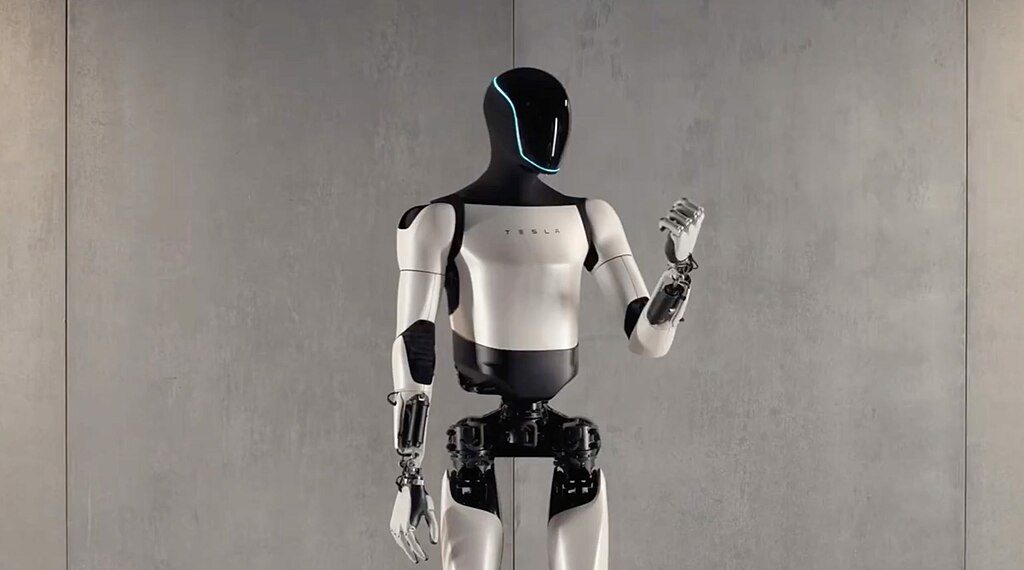
Tesla CEO Elon Musk revealed that production of the company's Optimus humanoid robot has been delayed due to China’s new export restrictions on rare earth magnets—critical components in robotics and electric vehicles. Speaking during an earnings call, Musk noted that the Chinese government now requires exporters to obtain special licenses, as part of its broader response to escalating U.S. tariffs.
China’s rare earth export policy, implemented this month, affects not only raw minerals but also magnets and processed materials, posing a challenge for manufacturers worldwide. Analysts warn that the tightened controls on these essential materials—used in everything from electronics to defense systems—will be difficult to bypass or replace quickly.
Musk explained that the Chinese government is seeking assurance that the magnets are not used for military applications. “They’re just going into a humanoid robot,” he emphasized, clarifying that Tesla’s Optimus is not a weaponized product. Tesla is actively engaging with Chinese officials to secure the necessary export licenses, a process that typically takes several weeks to months.
The Optimus robot, first unveiled in 2022, is part of Tesla’s long-term vision to automate tasks beyond automotive manufacturing. Musk previously announced plans to produce thousands of units in 2025. However, the rare earth supply chain disruption may significantly impact that timeline.
With China controlling over 80% of the global rare earth market, the export controls underscore the strategic vulnerabilities facing tech and auto manufacturers dependent on these resources. Tesla's situation highlights the growing intersection of geopolitics and advanced technology production.
As supply chain pressures mount, companies like Tesla are navigating complex international regulations to keep innovation on track, while markets closely watch for updates on export approvals and production progress.













