


 Muji Owner Ryohin Keikaku Stock Soars After Raising Full-Year Earnings Forecast
  Yaskawa Electric Shares Slide as Weak Profit Overshadows Strong AI Demand
  OpenAI Executive Fidji Simo to Step Down Amid Health Challenges Ahead of IPO
  Australia Flags Child Safety Gaps at Apple, Meta, Google Over Online Sexual Extortion
  Kitron Q2 Revenue Beats Estimates as Defense Demand Lifts Growth
  Nvidia Tightens AI Chip Sales in Asia With Stricter Customer Approval Process
  DeepSeek Eyes China IPO as AI Startup Seeks $71 Billion Valuation in New Funding Round
  BHP Faces Major Port Hedland Strike as Labor Talks Stall Ahead of Production Report
  DOJ Grand Jury Investigates UAW President Shawn Fain Ahead of Union Election
  Paramount-Warner Bros. Discovery Merger Faces Lawsuit From 12 States
  SK Hynix Soars 13% in Nasdaq Debut After Record $26.5 Billion IPO
  Mastercard Explores Sale of Majority Stake in UK Payments Firm Vocalink: Report
  Apple Sues OpenAI, Former Employees Over Alleged Trade Secret Theft
  Taiwan Mangoes Head to Europe as Premium Fruit Exports Expand
  SK Hynix Shares Drop After Strong Nasdaq Debut Despite $26 Billion ADR Listing
  Rio Tinto Reports Strong Q2 Iron Ore Sales, Maintains 2026 Production Outlook
  UBS Starts CarTrade Tech With Buy Rating, Sees Strong Earnings Growth and ₹4,000 Target


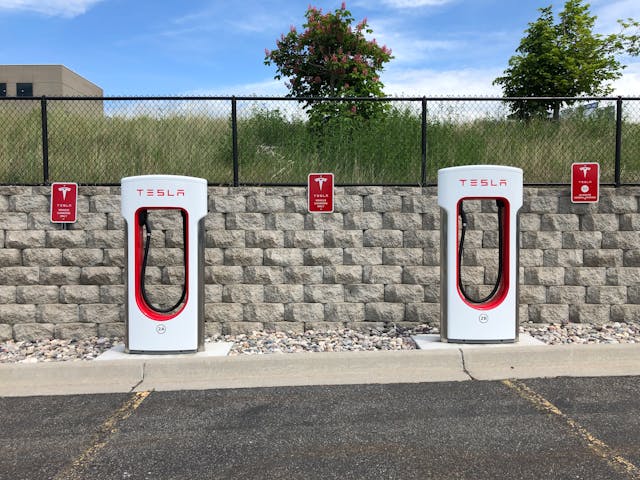
Tesla has taken another significant step toward scaling its autonomous mobility ambitions by securing a Transportation Network Company (TNC) permit in Arizona. The approval, confirmed by a state regulator, enables the electric vehicle maker to operate a paid ride-hailing service similar to Uber or Lyft across the state. While the permit does not authorize fully driverless operations, it marks meaningful progress in Tesla’s broader plan to roll out a commercial robotaxi network.
The company has already begun piloting its robotaxi strategy in select U.S. cities. Earlier this year, Tesla launched a supervised autonomous ride-hailing service in Austin, Texas, where a safety monitor sits in the front passenger seat. It later expanded to the San Francisco Bay Area, deploying human drivers supported by the latest version of its Full Self-Driving (FSD) software. These early deployments serve as testing grounds as Tesla works to refine its autonomous technology and move toward removing drivers and safety monitors entirely.
CEO Elon Musk has repeatedly emphasized the company’s intention to operate robotaxi services in eight to ten major metro areas by the end of the year. Although ambitious, this target aligns with Tesla’s continued push to secure regulatory approvals and strengthen its autonomous driving ecosystem. Arizona has already granted Tesla a permit to test autonomous vehicles with a safety driver, and the company previously applied for permission to conduct driverless testing within the Phoenix Metro area.
Arizona’s Department of Transportation confirmed that Tesla met all TNC requirements after applying on November 13 and received official authorization on November 17. This approval comes at a time when the robotaxi industry is regaining momentum after years of regulatory hurdles, high development costs, and several high-profile shutdowns. Major players like Alphabet’s Waymo and Amazon’s Zoox are also rapidly expanding, contributing to renewed optimism around the future of autonomous mobility.
Tesla has not yet commented publicly on the Arizona permit, but the move reinforces the company’s commitment to establishing a widespread robotaxi network and competing aggressively in the evolving self-driving transportation market.







