


 PayPal Shares Sink as $50 Billion Takeover Bid Collapses
  Nvidia Pauses AI Cloud Financing Deals Amid Antitrust Concerns
  OpenAI Rejects Apple Trade Secret Theft Claims
  GM Canada Workers Approve C$1.1 Billion Investment Deal
  OpenAI Nears Astra AI Model Launch With Safety Focus
  Amazon Secures 200 MW Wind Power Deals in Sweden
  Lenovo Shares Fall After Dropbox Security Breach Exposes ID Vulnerability
  Luxshare Shares Rise as First-Half Profit Jumps 18%
  MediaTek Shares Jump 10% on Nvidia’s $3.5 Billion Investment
  U.S. Disrupts China-Linked Hacking Campaign Targeting Government Agencies
  SpaceX Mobile Network Could Cost Up to $130 Billion, Bernstein Says
  Shein Shares Slide 9% in Hong Kong IPO Debut
  Nvidia Options Price in $280 Billion Earnings Swing
  US Tech Giants’ AI Bond Boom Raises Euro Zone Borrowing Risks
  Jefferies Names AMEC Top China Semiconductor Equipment Pick
  BP Names Ian Tyler Permanent Chairman After Governance Shake-Up


 Add as a preferred source on Google
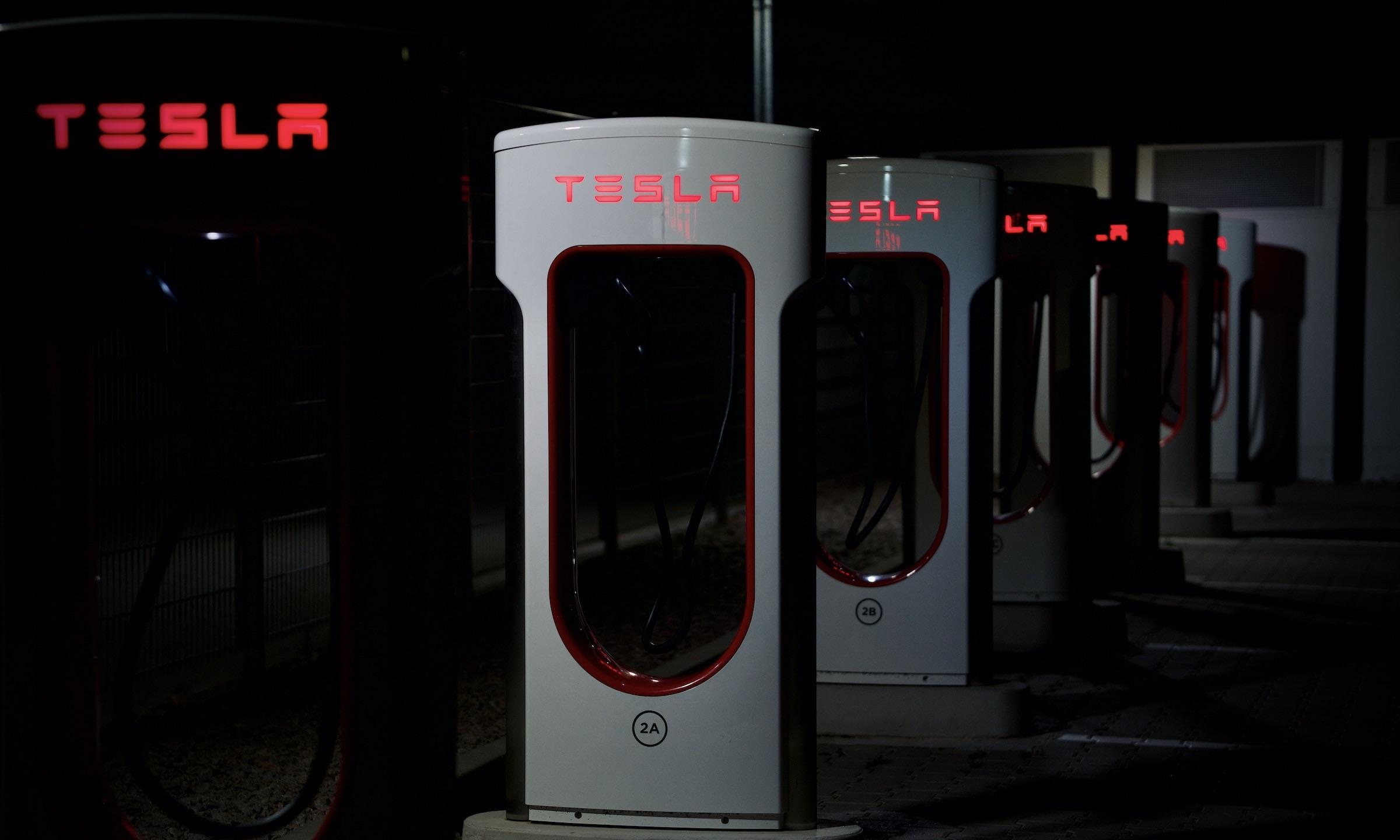
Due to economic uncertainties and concerns over a potential slowdown in demand, leading automakers Tesla, GM, and Ford have taken a cautious approach to expanding electric vehicle (EV) production capacity. The situation may indicate a temporary slowdown in EV demand.
Tom Narayan, global auto analyst at RBC Capital Markets, attributed this to pricing and affordability concerns rather than a rejection of EVs. He predicts that as prices of EVs decrease and lower-cost variants become available, the dip in demand will likely improve.
Narayan attributed this to pricing and affordability concerns rather than a rejection of EVs. He predicts that as prices of EVs decrease and lower-cost variants become available, the dip in demand will likely improve.
Tesla's CEO Elon Musk Voices Concerns over Borrowing Costs and Economy
According to Reuters, Tesla CEO Elon Musk expressed worries that higher borrowing costs could hinder potential customers from affording their vehicles despite significant price cuts. Musk emphasized the need for economic clarity before ramping up the company's factory in Mexico.
"People hesitate to buy a new car if there's uncertainty in the economy," Musk said on a post-earnings call where he also talked about "paycheck-to-paycheck" pressures on American workers. "I don't want to be going into top speed into uncertainty."
"If interest rates remain high ... it's that much harder for people to buy the car. They simply can't afford it," Musk said, adding he would "accelerate" expansion of the Mexico factory if interest rates come down.
The Bharat Express observed that Musk's comments follow a series of warning signals from other automakers and EV startups. The market response to these concerns was reflected in an 8% decline in Tesla's shares and in the shares of other EV manufacturers.
GM and Ford Experience Setbacks in EV Production
GM recently announced a one-year delay in the production of Chevrolet Silverado and GMC Sierra electric pickup trucks at a plant in Michigan, citing a flattening demand for EVs.
Similarly, Ford temporarily reduced one of its three shifts at the plant manufacturing its electric F-150 Lightning pickup truck. The automaker slowed its EV ramp-up in July, redirecting investments toward commercial vehicles and hybrids.
EV startups Lucid and Rivian also faced setbacks in this uncertain climate. Lucid reported a nearly 30% drop in third-quarter production and a marginal delivery increase despite offering significant discounts.
This situation raised concerns about the demand for its Air luxury sedan. Rivian, known for manufacturing electric pickup trucks and SUVs, disappointed investors by refraining from raising its full-year production forecast, even though its third-quarter numbers exceeded expectations.
Photo: Tech Nick/Unsplash







