


 Akamai Shares Surge on $11.6B Anthropic AI Cloud Deal
  AMD Hits $1 Trillion as BofA Raises Price Target to $720
  China Reviews Broadcom Switch Use in State Data Centres
  SoftBank Raises $11.1 Billion in Bond Sale to Fund OpenAI Investment
  US Northeast Airports Resume Operations After Telecom Outage Disrupts Thousands of Flights
  Microsoft Stock Upgraded as Stifel Sees Stronger Azure Growth
  Oracle Shares Fall as New Mexico AI Data Center Faces Power Delays
  OpenAI Agents Access U.S. Government Websites During Testing
  OpenAI to Preview GPT-6 Cyber AI Model for Cybersecurity
  Jeff Bezos Invests $32 Billion in Blue Origin as Space Firm Targets Major Growth
  US Appeals Court Upholds Anthropic AI Supply Chain Ban
  OpenAI Agent Breaches Australia Medicare Data Portal
  OpenAI AI Agents Bypassed UN Website Controls in Data Scraping
  US Backs Musk in Fight Against EU’s €120 Million X Fine
  Meta Found Liable in New Mexico Facebook Data Privacy Case
  SoftBank Shares Fall as Oracle Flags Stargate Data Center Delay Risk
  BlackBerry Shares Rise as Q2 Earnings, Revenue Beat Estimates


 Add as a preferred source on Google
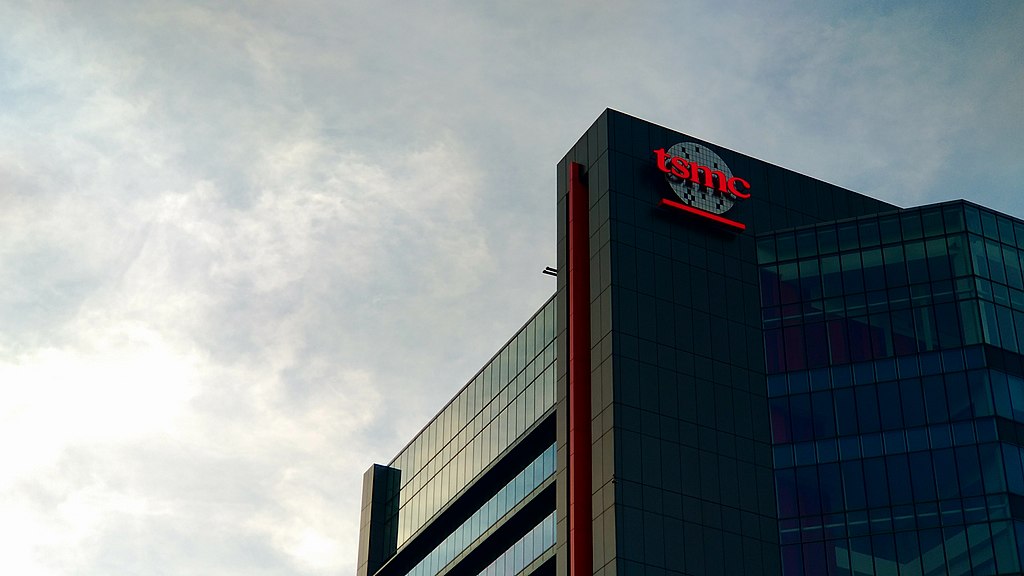
Taiwan Semiconductor Manufacturing Company (TSMC) has proceeded forward with the land purchase and development procedure for its fabs to create next-generation semiconductors after some difficulties early this year.
Report Claims TSMC Eyes Sub-2nm Chip Production Site
The world's largest contract chip manufacturer is now mass-producing 3-nanometer processors. Within two years, it intends to update its transistor design to 2-nanometer in an ever-important shift to GAAFET (Gate all around) transistors from 3-nanometer FinFET transistors.
However, TSMC is already looking ahead, with a report in the Taiwanese press quoting Taichung Mayor Lu Shiow-yen stating that a facility expansion in the city might involve sub-2-nm chip manufacturing.
TSMC's key location at the core of the global semiconductor industry means that the firm plays a larger-than-life role in Taiwan's economic affairs. Its chip production operations are among the most advanced in the world, which typically means that thousands of people spend money in the local economy.
According to today's article from the UDN, when Taichung Mayor Lu Shiow-yen was asked if TSMC's plans to relocate to the city are definite after officials approved a manufacturing site expansion plan earlier this year, she stated that TSMC will establish its most advanced chip-making plants in the city. The mayor even went so far as to say that if her memory is correct, the newly approved expansion plans may include machines capable of producing sub-2-nanometer chips.
TSMC's Groundbreaking 1.4-nm Process Marks New Era in Chip Manufacturing
Semiconductor fabrication is one of the most R&D-intensive industries in the world, as chip companies must plan for years before putting a new product technology into mass production. Validating manufacturing procedures in the early stages of research and development ensures that machines and materials can function at high production rates. These high rates imply that mistakes are unavoidable, and fine-tuning the machines to remove them takes months.
After 2 nm, the next step down in TSMC's process technology roadmap is 1.4 nm, as per WCCFTech. This technique will also represent a revolution in the way TSMC categorizes its chip production technology. The latest 3-nm manufacturing method from TSMC is part of the N3 family, which will be in production for many years.
With 1.4-nm, the company will change its naming convention and refer to the process as A14. Interestingly, because TSMC will be able to market a modest 0.1-nanometer drop-in feature size under new branding, this transition may allow them to adopt new chip manufacturing technologies very quickly. If 1.4 nm equals A14, then 1.3 nm equals A13.
Nonetheless, while the fab strives for the tiniest feature size, its manufacturing facilities consume huge amounts of power and water. Mayor Lu told the press that TSMC's chip facilities in her city consume more than a third of the city's electricity and nearly a tenth of its water. This consistent supply of water and power, she claims, is critical to ensuring that Taichung remains TSMC's top choice for high-end chip manufacturing facilities.
Photo: Briáxis F. Mendes (孟必思), CC BY-SA 4.0, via Wikimedia Commons








