


 RBI Uses $10 Billion Currency Swaps to Drain Excess Rupee Liquidity
  Gold Prices Fall Amid Rate Jitters; Copper Steady as China Stimulus Eyed
  Fed Unveils Stablecoin Rules Under GENIUS Act
  FxWirePro: Daily Commodity Tracker - 21st March, 2022
  RBI Rate Hike Bets Surge as Inflation Rises
  Fed Unveils Stablecoin Rules Under GENIUS Act


 Add as a preferred source on Google
New Zealand unemployment rate plummeted to 5.3% in the December quarter, in stark contrast to expectations for a small increase. Employment growth was up a solid 0.9% while there was also a sharp fall in participation.
Despite the strengthening in the labour market, wage inflation has remained stubbornly low. The private sector Labour Cost Inflation rose by 0.4% over the quarter, to be up 1.5% for the year - its slowest rate of increase since 2010. Wage inflation has remained low for several years now. While that's a little surprising in the context of an economy that's been growing at a pretty firm pace in recent years, it comes against a backdrop of very low consumer price inflation.
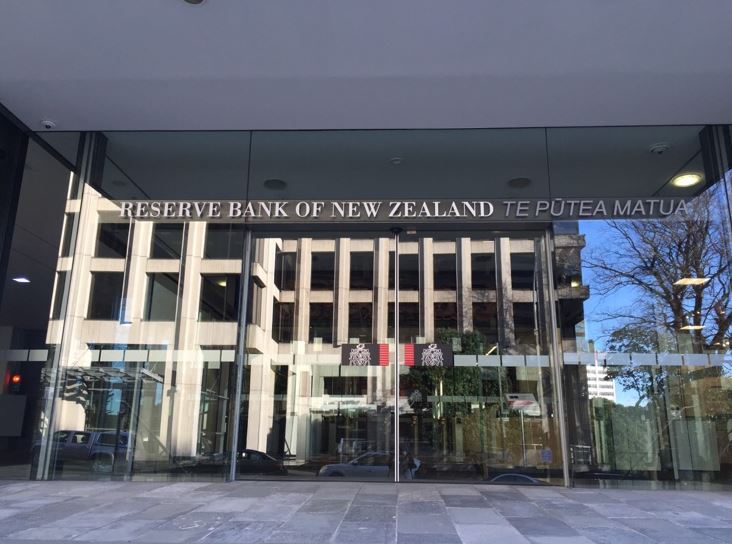
"For the RBNZ, low wage growth is likely to be trumped by the sharp drop in the unemployment rate. On its own, this means the RBNZ is likely to be in less of a hurry to cut rates and reduces the chance of an OCR reduction in March." said Westpac in a research note to clients.

- News

- Economy

- Central Banks
- Investing
- Research
- Roundups
- Digital Currency
- Insights
- Technical Analysis
- Technology
- Business
- Law
- Health
- Nature
- Fintech
- Science
- Topic
- Opinions
- ©Econometrics LLC . All Rights Reserved.
Surprisingly strong unemployment data reduces the chance of RBNZ cutting rates in March
Wednesday, February 3, 2016 4:06 PM UTC
Editor's Picks



- Market Data
Most Popular




