


 Gold Prices Drop as Fed Rate Outlook and Iran Tensions Weigh on Market
  Despite its best efforts, Iran won’t be able to toll the Strait of Hormuz. Here’s why
  Gold Surges Above Key EMAs, Bulls Eye Resistance Amidst Bullish Momentum
  Open-Source AI Models Gain Ground as Enterprises Seek Lower-Cost Alternatives, Citi Says
  Gold Price Falls as Fed Rate Hike Fears and U.S.-Iran Tensions Weigh on Bullion
  Global Financial Firms Shift Asia Expansion Focus to South Korea as China, India Face Caution
  Japan Targets 1%+ Real Economic Growth With ¥370 Trillion Investment Plan
  With Iran and the US signing a peace deal, where does that leave Benjamin Netanyahu?
  US Stock Futures Steady as Investors Await Payrolls Data and Monitor Iran Tensions
  The government is ‘doubling down’ on its social media ban. But bigger penalties for platforms aren’t enough
  China Sets 1.25% Overnight Reverse Repo Rate Below Market Expectations
  Part II — The listing: NFTs as bottle-stamps, and a vault the family is in no rush to sell
  A Korean Family Spent 34 Years Hoarding Chinese Tea. Now They're Putting It on the Blockchain.


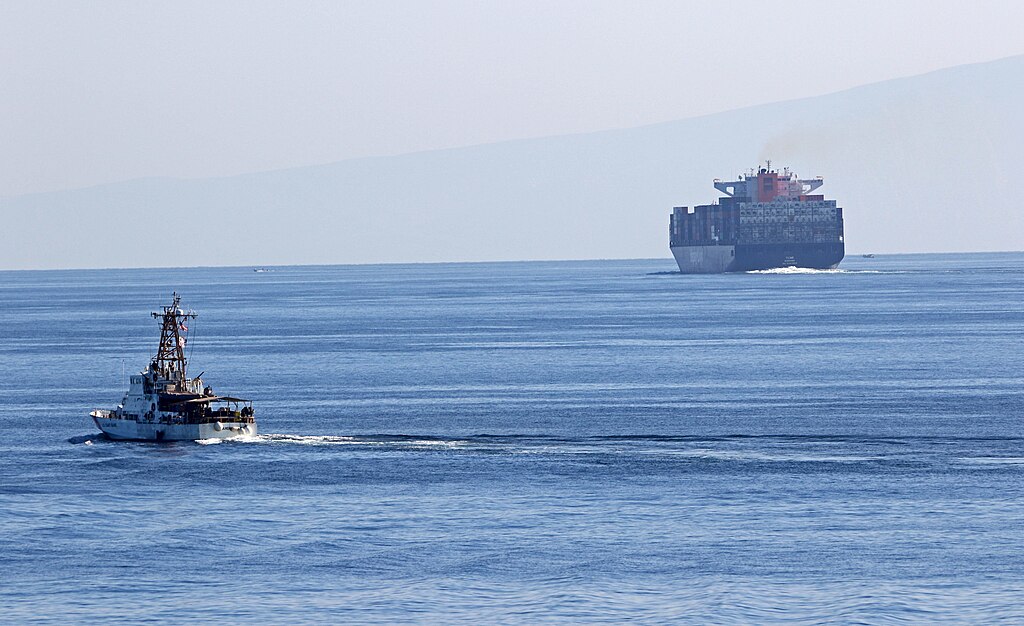
Growing concerns over a potential global oil shortage have resurfaced as escalating Middle East tensions disrupt energy shipments through the Strait of Hormuz, one of the world's most strategically vital oil transit routes. However, a recent Goldman Sachs analysis cautions against overstating the crisis, describing the situation as serious but more complex than a straightforward supply collapse.
The most immediate effects are being felt across Asia, where economies are disproportionately dependent on Persian Gulf oil imports. Goldman Sachs notes that many Asian nations source approximately half of their fuel from the region, while countries like South Korea and Singapore rely on it for close to three-quarters of their supply needs. Despite this heavy dependence, widespread outright shortages have been largely avoided so far, as governments and industries pivot to alternative suppliers, draw down existing stockpiles, and restrict exports to protect domestic energy security.
Yet Goldman Sachs warns this resilience may not last. Data from late March showed a notable drop in Asia's net oil imports, signaling mounting pressure as Gulf shipments slowed significantly. The strain is uneven across fuel types. Petrochemical feedstocks, including naphtha and liquefied petroleum gas, face the tightest conditions due to lower inventory levels and more demanding storage logistics. Global diesel and jet fuel prices have also surged, driven by supply constraints and precautionary buying behavior.
Real-world impacts are already visible. India and Thailand have reported fuel rationing and localized supply disruptions, prompting regional governments to roll out consumption management measures. Major economies such as China and Japan, backed by large strategic petroleum reserves, remain comparatively insulated from the worst effects.
Goldman Sachs stops short of labeling this a structural energy crisis. Rerouted trade flows and inventory flexibility continue to provide meaningful buffers. Nevertheless, if Hormuz disruptions persist, price volatility and localized fuel shortages are likely to intensify, particularly for the most import-dependent nations.







