


 Taiwan's MQ-9B SkyGuardian Drone Order Stays on Schedule Despite Middle East Conflict
  Anthropic Sues Pentagon Over AI Blacklist, Citing Free Speech Violations
  Iran's Government Remains Stable Despite U.S. and Israeli Strikes, Intelligence Shows
  Iran Mines Strait of Hormuz: Crude Oil Prices Surge Amid Middle East Tensions
  Trump Administration Launches Trade Investigations Against 16 Countries Over Industrial Overcapacity
  After the Iran war, Persian Gulf nations face tough decisions on the US – a former diplomat explains
  U.S. and Russia Hold Diplomatic Talks in Florida Amid Ongoing Tensions
  Trump Hints at Possible U.S. Takeover of Cuba Amid Deepening Humanitarian Crisis
  Israel-Iran War: Herzog Urges Patience as U.S. and Israeli Strikes Intensify
  Bipartisan Housing Bill Advances in Senate, Aims to Tackle U.S. Affordability Crisis
  Venezuela Names Paula Henao as New Oil Minister Amid U.S.-Led Industry Overhaul
  Trump-Putin Call Addresses Iran War, Ukraine Peace, and Global Oil Crisis
  Russian Drone Strikes Hit Kharkiv and Dnipro, Injuring Over 20 Civilians
  Iran-Israel War Sparks Global Oil Crisis as Tankers Burn in Gulf Waters
  Japan's BOJ Independence Under Fire as PM Takaichi's Rate Stance Draws Political Heat
  U.S. Patriot Missiles Redeployed From South Korea Amid Middle East Conflict
  U.S. Senate Greenlights AI Chatbots for Official Staff Use


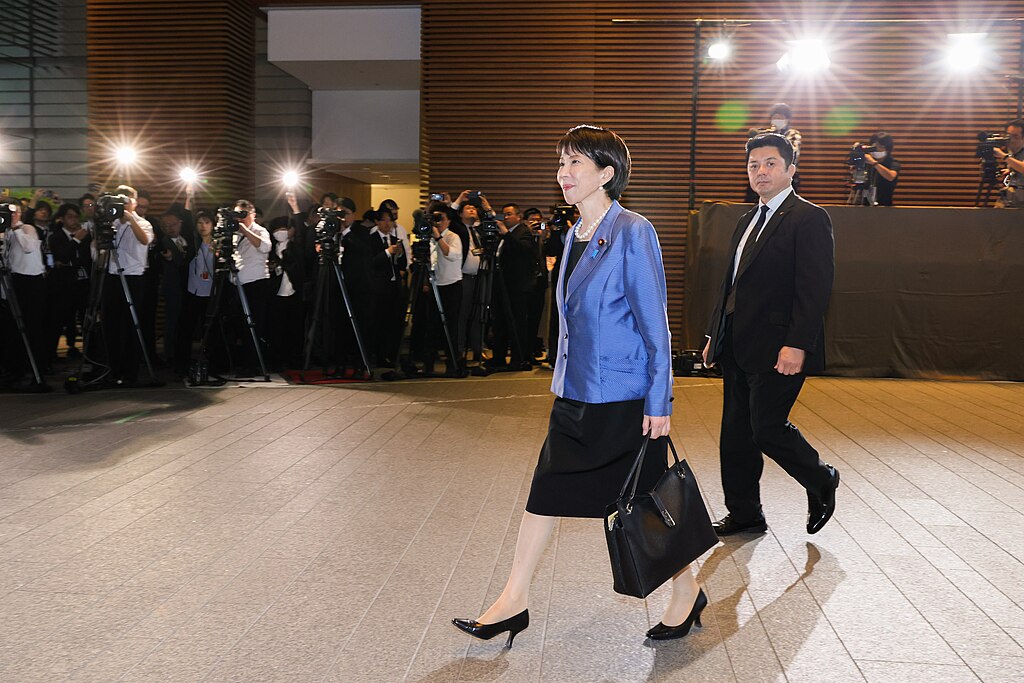
South Korean President Lee Jae Myung is set to hold a summit with Japanese Prime Minister Sanae Takaichi on Tuesday in Nara City, highlighting Seoul’s ongoing effort to balance relations with its two key neighbours, Japan and China. The meeting comes just a week after Lee concluded a summit with Chinese President Xi Jinping, underscoring his administration’s strategy of “pragmatic diplomacy” aimed at maintaining stable ties across the region.
The Japan summit takes place against the backdrop of rising diplomatic friction between Beijing and Tokyo. Analysts expect Prime Minister Takaichi to emphasize the importance of strong trilateral cooperation between the United States, Japan, and South Korea, particularly on security and regional stability. Relations between China and Japan have been strained since Takaichi stated in November that a potential Chinese attack on Taiwan could be considered an existential threat to Japan, possibly warranting a military response. China, which claims Taiwan as its territory, reacted angrily to those remarks.
Despite these tensions, South Korea is expected to maintain a neutral stance. President Lee has publicly stressed that Seoul values its relationship with Japan just as much as its ties with China, signaling that South Korea does not intend to take sides in the Sino-Japanese dispute. According to analysts, this balanced approach could create opportunities for cooperation in practical areas such as artificial intelligence, semiconductors, intellectual property, and cross-border business travel.
In addition to economic cooperation, the leaders are likely to address long-standing security concerns, including the denuclearisation of the Korean Peninsula and the issue of Japanese citizens abducted by North Korea. These perennial challenges remain central to regional diplomacy.
The visit also forms part of the “shuttle diplomacy” framework agreed upon by Seoul and Tokyo last year, aimed at sustaining regular high-level dialogue. While historical issues stemming from Japan’s colonial rule of Korea continue to affect bilateral relations, they are currently less prominent than in the past.
Even if no immediate agreements are reached, experts note that maintaining consistent diplomatic engagement is crucial. Continued dialogue, they argue, lays the groundwork for future cooperation and more concrete outcomes in South Korea–Japan relations.













