


 IMF Warns US Debt Crisis Needs Fiscal Action, Urges China to Boost Consumption
  US Supreme Court Denies Release of Anti-ICE Activist Kyle Wagner
  Zelenskiy Says Trump’s Support for Russia Is ‘Painful’
  Container Ship Sinks in Strait of Hormuz as Iran Attacks Escalate
  Trump Announces Massive Oil and Mineral Exploration Plans in Greenland
  US Justice Department Drops Prosecution of Ex-CIA Analyst Sue Mi Terry
  SpaceX Starlink Restrictions Disrupt Ukraine Military Operations
  UN Urges Talks on Lebanon Peacekeeping Mission Extension
  Flavio Bolsonaro Backs Brazil’s 40-Hour Workweek Reform Ahead of Runoff
  Flavio Bolsonaro Leads Lula in Brazil Presidential Runoff Poll
  Trump Wishes Pope Leo Speedy Recovery After Lung Cancer Diagnosis
  US Proposal to Unfreeze Russian Assets Rejected by Europe
  EU Leaders Meet to Tackle China Imports, Energy Costs and Budget Disputes
  FBI Denies Report of Kash Patel’s Russia Visit
  Taiwan President Urges Micron, Workers to Negotiate Amid Strike Threat
  Zelenskiy Seeks New US Talks to Revive Ukraine-Russia Peace Negotiations
  Italy’s Meloni Warns US-Russia Diesel Deal Could Weaken Ukraine Sanctions


 Add as a preferred source on Google
South Korea has warned that repeatedly changing the conditions for transferring wartime operational control from the United States could prevent the long-awaited military command handover, highlighting growing concerns over the future of the US-South Korea defense alliance.
During a regular briefing on Thursday, South Korean Defence Ministry spokesperson Jeong Bit-na expressed concern that shifting requirements could make the transfer of wartime operational control, known as OPCON, increasingly difficult.
Speaking in a personal capacity, Jeong said that continually moving the goalposts could mean wartime command authority would never be transferred to Seoul.
However, she clarified that her remarks did not represent the Defence Ministry's official position. South Korea and the United States remain committed to implementing their jointly agreed conditions-based transition plan.
Her comments followed statements by US Forces Korea commander General Xavier Brunson, who indicated Wednesday that evolving security threats and revised military strategies had introduced additional standards for the transfer.
Speaking at an event organized by the Gold Institute for International Strategy in Washington, Brunson emphasized that changes in the regional security environment required updated operational capabilities.
He pointed to North Korea's recent missile launches as evidence of growing military challenges. While supporting the eventual OPCON transfer, Brunson stressed that neither country should bypass established requirements or compromise essential defense capabilities.
The disagreement comes amid uncertainty over the timeline for South Korea to assume wartime military command.
South Korean media reports suggest Seoul is targeting 2028 for the transition. However, Brunson told US lawmakers in April that the American military had submitted a roadmap designed to satisfy the transfer conditions by early 2029.
Other reports, citing military sources, indicate Washington believes South Korea has not yet fulfilled the requirements for Full Operational Capability verification, the second phase of the three-stage transition process.
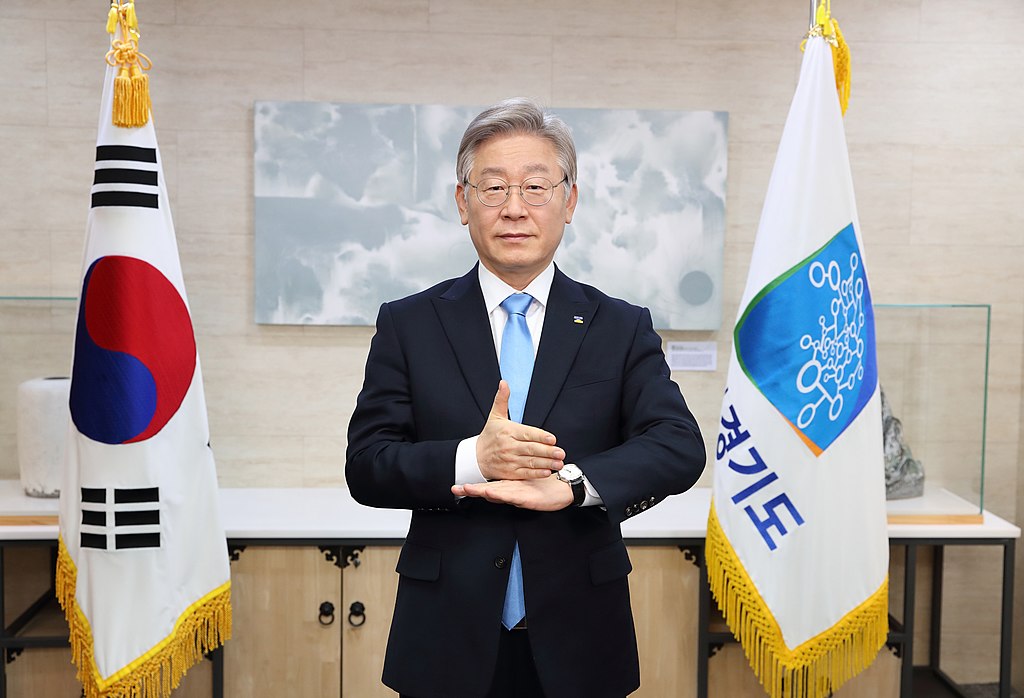
President Lee Jae Myung has made completing the wartime command transfer a priority, aiming to finalize the decades-long initiative before his presidential term ends in 2030.
South Korea regained peacetime operational control of its military forces in 1994. However, wartime command of allied forces remains under the US-led Combined Forces Command.
The latest discussions underscore the challenge of balancing South Korea's push for greater military autonomy with the allies' shared concerns over North Korea's expanding missile capabilities and regional security threats.







