


 Gold Prices Fall Amid Rate Jitters; Copper Steady as China Stimulus Eyed


 Add as a preferred source on Google
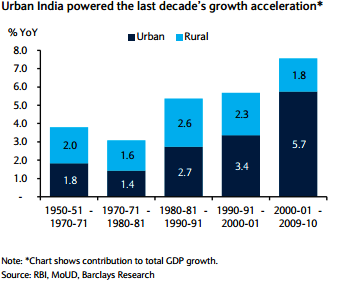
India's growth over the past two decades has been powered by Urban areas and now generate c63% of India's GDP. India's large population and low GDP per capita indicate that urbanisation trends have significant scope to accelerate further.
The quality of urbanisation needs to be paid attention considered as well. One of the cornerstone projects initiated by Narendra Modi in his first year is the 'Make in India program'. Behind the ambition of becoming a manufacturing champion, lies a structured approach to increasing urbanisation.
Indian cities are growing rapidly, but they are also expanding in an unorganised manner. Decades of internal migration have pressured the existing infrastructure systems. In the absence of structured planning and poor execution of actual projects, the quality of living has been declining in many of India's cities.
Under the moniker of 'smart cities', the government wants to create new 'urban clusters', which are expected to be both a driver of growth and reduce the burden on existing cities.
"Even if past trends are maintained, 35% of India's population could live in cities by 2020 and contribute 70-75% of its GDP", says Barclays.

- News

- Economy

- Central Banks
- Investing
- Research
- Roundups
- Digital Currency
- Insights
- Technical Analysis
- Technology
- Business
- Law
- Health
- Nature
- Fintech
- Science
- Topic
- Opinions
- ©Econometrics LLC . All Rights Reserved.
‘Smart’ cities to lead the way to India's growth
Thursday, July 9, 2015 6:04 AM UTC
Editor's Picks



- Market Data
Most Popular




