


 Fed Unveils Stablecoin Rules Under GENIUS Act
  Russian Envoy Dmitriev Heads to US for Ukraine Talks
  Drug pollution in water is making salmon take more risks – new research
  How America courted increasingly destructive wildfires − and what that means for protecting homes today
  Thousands of satellites are due to burn up in the atmosphere every year – damaging the ozone layer and changing the climate
  Japan Private-Sector Growth Slows as Domestic Demand Weakens
  An unexpected anomaly was found in the Pacific Ocean – and it could be a global time marker
  Oil Prices Ease as Iran Tensions Clash With Diplomacy Hopes
  US Stock Futures Fall as Treasury Yields Surge Ahead of Trump-Xi Summit
  China’s ‘Lipstick King’ Says AI Won’t Replace Livestream Hosts
  Australia Unemployment Hits Five-Year High Despite Strong Jobs Growth
  US, China Extend Trade Truce to Jan. 10 Ahead of Trump-Xi Summit
  European Stocks Slip as Iran Tensions Offset Strong Eurozone Data
  Mexico-US Trade Talks Delayed to October as Tariff Negotiations Continue
  As the Black Summer megafires neared, people rallied to save wildlife and domestic animals. But it came at a real cost


 Add as a preferred source on Google
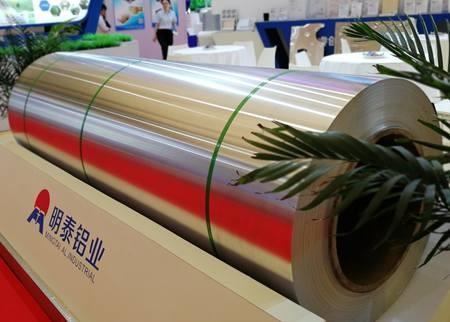
South Korea's trade ministry is seeking talks with the European Union (EU) over a new carbon-neutral policy that may cause the country's steel and aluminum exports to lose price competitiveness in the European market.
Under the EU's Carbon Border Adjustment Mechanism (CBAM), European importers of steel, aluminum, cement, electricity, and fertilizer must purchase "carbon certificates" corresponding to the carbon created during production.
The CBAM, according to the EU, will help reduce carbon leakage risks by encouraging producers in non-EU countries to green their production processes.
The measure is set for full implementation in 2026, following a 3-year transition period.
Trade Minister Yeo Han-Koo said that South Korea's stance is for the CBAM to follow the World Trade Organization rules.
South Korea expects its steel and aluminum industries to be among the CBAM's victims.
Yeo said the country would negotiate to keep environmental regulations, including the CBAM, from excessively burdening its firms.
Local firms have been asking the government to offer tax cuts to ease potential financial burdens due to the CBAM.







