


 We combed through old botanical surveys to track how plants on Australia’s islands are changing
  Trump Administration to Launch Autism Initiatives Targeting Acetaminophen Use and New Treatment Options
  SpaceX Pivots Toward Moon City as Musk Reframes Long-Term Space Vision
  Cogent Biosciences Soars 120% on Breakthrough Phase 3 Results for Bezuclastinib in GIST Treatment
  Senate Sets December 8 Vote on Trump’s NASA Nominee Jared Isaacman
  LA fires: Long-term exposure to wildfire smoke is poorly understood − and a growing risk
  Drug pollution in water is making salmon take more risks – new research
  SpaceX Prioritizes Moon Mission Before Mars as Starship Development Accelerates
  Unsustainable – or manageable? We don’t yet know how data centres will impact Australia’s environment
  Swimming in the sweet spot: how marine animals save energy on long journeys
  An unexpected anomaly was found in the Pacific Ocean – and it could be a global time marker
  Trump and Merck KGaA Partner to Slash IVF Drug Costs and Expand Fertility Coverage
  SpaceX Delays Starship V3 Launch Ahead of Potential Record IPO
  Trump Administration Releases New UFO Files and Apollo Mission Records


 Add as a preferred source on Google
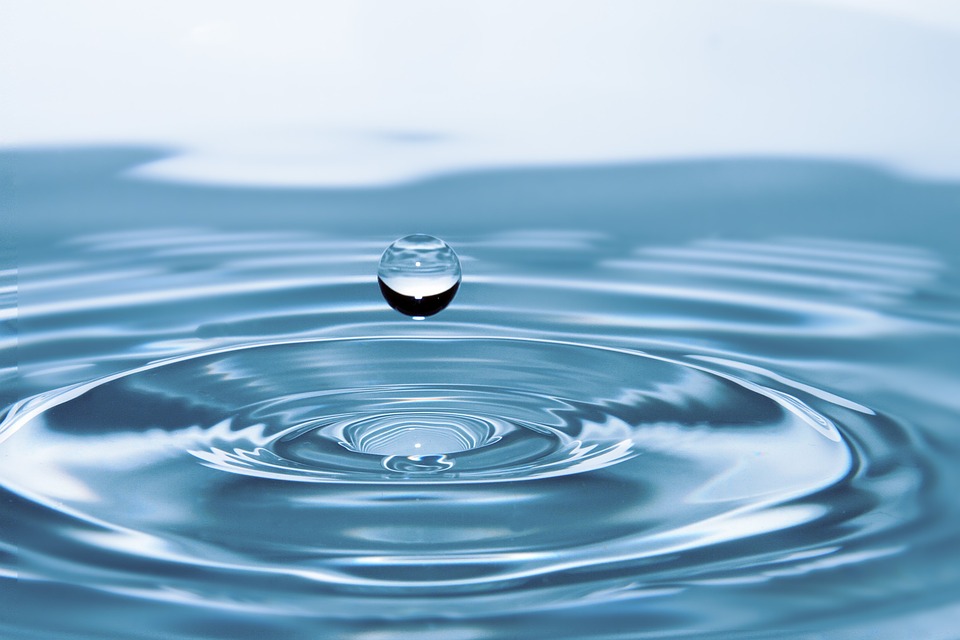
Liquid water is one of the most common compounds on the planet, with over 70 percent of the Earth’s surface covered with it. As a result, it has been tampered with, experimented on, and subjected to all kinds of tests in order to learn more about it. Recently, physicists were able to successfully wring more drops from what was previously considered a dry cloth; a second state of liquid water has been discovered.
When water is subjected to heat, landing at somewhere between 40 and 60 degrees Celsius or 104 and 140 degrees Fahrenheit, the physicists discovered that the substance goes through what’s called a “crossover” stage. The team behind the discovery was led by Laura Maestro from the University of Oxford, and in the paper they published, they declared that during the transition, liquid water essentially achieved a second state.
This state affects everything about it as well, including thermal conductivity and dielectric constant. Basically, by subjecting water to different temperatures, its properties changed. These findings could then affect everything, from biological experiments to drug manufacturing.
As Science Alert points out, water already has so many interesting points to it that people no longer consider it as weird. It has three basic states in the form of liquid, solid, and gas, and has surprising qualities as it transitions through those states.
It also comes with contradictory results when it comes to its boiling point, freezing point, surface tension, and two-state interactions. This is why scientists like Philip Ball are saying that as common as water may be, it’s still one of the most mysterious substances known to man when speaking to Nature.
"No one really understands water," Ball says. "It’s embarrassing to admit it, but the stuff that covers two-thirds of our planet is still a mystery. Worse, the more we look, the more the problems accumulate: new techniques probing deeper into the molecular architecture of liquid water are throwing up more puzzles."







