


 US 10-Year Treasury Yield at 6% Emerges as New Market Risk Threshold
  Paramount-Warner Bros $110 Billion Deal Draws Antitrust Backlash
  H&M Q3 Profit Beats Estimates as Margins Improve
  Microsoft Stock Upgraded as Stifel Sees Stronger Azure Growth
  Ukraine minerals deal: the idea that natural resource extraction can build peace has been around for decades
  US Dollar Hits Two-Month High as Fed Rate Hike Bets Rise
  Rise of the Zombie Bugs takes readers on a jaw-dropping tour of the parasite world
  China’s ‘Lipstick King’ Says AI Won’t Replace Livestream Hosts
  U.S. 10-Year Treasury Yield Hits 2007 High as Fed Rate Hike Bets Rise
  Japan Private-Sector Growth Slows as Domestic Demand Weakens
  US Stock Futures Rise as Meta Muse Fuels AI Rally
  LA fires: Long-term exposure to wildfire smoke is poorly understood − and a growing risk
  Goldman Sachs Names Simon Lyons UK Investment Banking Co-Head
  Dollar Hits Two-Month High as Fed Rate Hike Bets Rise
  US, China Extend Trade Truce to Jan. 10 Ahead of Trump-Xi Summit
  Australia Unemployment Hits Five-Year High Despite Strong Jobs Growth


 Add as a preferred source on Google
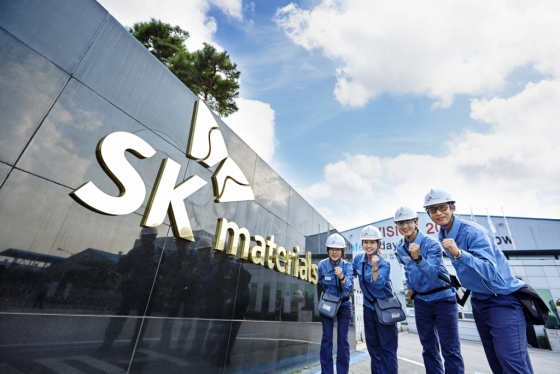
SK Materials Co. will invest 120 billion won in its newly-formed joint venture with US clean technology firm 8 Rivers Capital, LLC to deploy zero-emissions power projects to existing power plants in the Asia-Pacific region.
The zero-carbon technologies include hydrogen, carbon capture, and biomass carbon removal.
The Asia-Pacific region generates more carbon each year than the rest of the world combined and is critical to global decarbonization by 2050.
SK’s technological and engineering capabilities will serve as a force multiplier for 8 Rivers, while SK will leverage the partnership to deploy clean projects for its domestic and foreign operations, according to 8 Rivers.







