


 Microsoft Azure Growth Forecast Beats Expectations Amid Rising AI Competition
  Seagate Stock Surges After Strong Q3 Earnings Beat and Bullish Outlook
  Gold Prices Dip Ahead of Fed Decision Amid Rising Middle East Tensions
  Why Paycom Was Named a 2026 Platinum Employer on the Where You Work Matters List
  Amazon Stock Dips Despite Record Earnings as AI Infrastructure Spending Surges
  Standard Chartered Q1 Profit Hits Record on Wealth and Investment Banking Growth
  Tokyo Inflation Slows Despite Energy Pressures and BOJ Policy Outlook
  Markets Stay Strong Despite Oil Shock Concerns as Earnings Drive Investor Confidence
  Samsung Reports Record Profit as AI Boom Drives Memory Chip Demand
  EU Warns of Response as U.S. Considers 25% Tariffs on Car Imports
  Ford Q1 Earnings Beat Expectations, Stock Surges on Strong Guidance
  Iran-U.S. Conflict Escalation Threatens Global Oil Supply and Economic Stability
  Coles Group Q3 Sales Rise Driven by Supermarkets and E-Commerce Growth
  Trump Rejects Iran Proposal as Tensions Persist Amid Fragile Ceasefire
  China’s Ultra-Cheap EV Boom: Why Electric Cars Cost Far Less Than in the U.S.
  Air Liquide Q1 Revenue Misses Estimates Amid Currency and Energy Headwinds
  Dollar Gains Slightly as Yen Volatility Continues After Japan Intervention


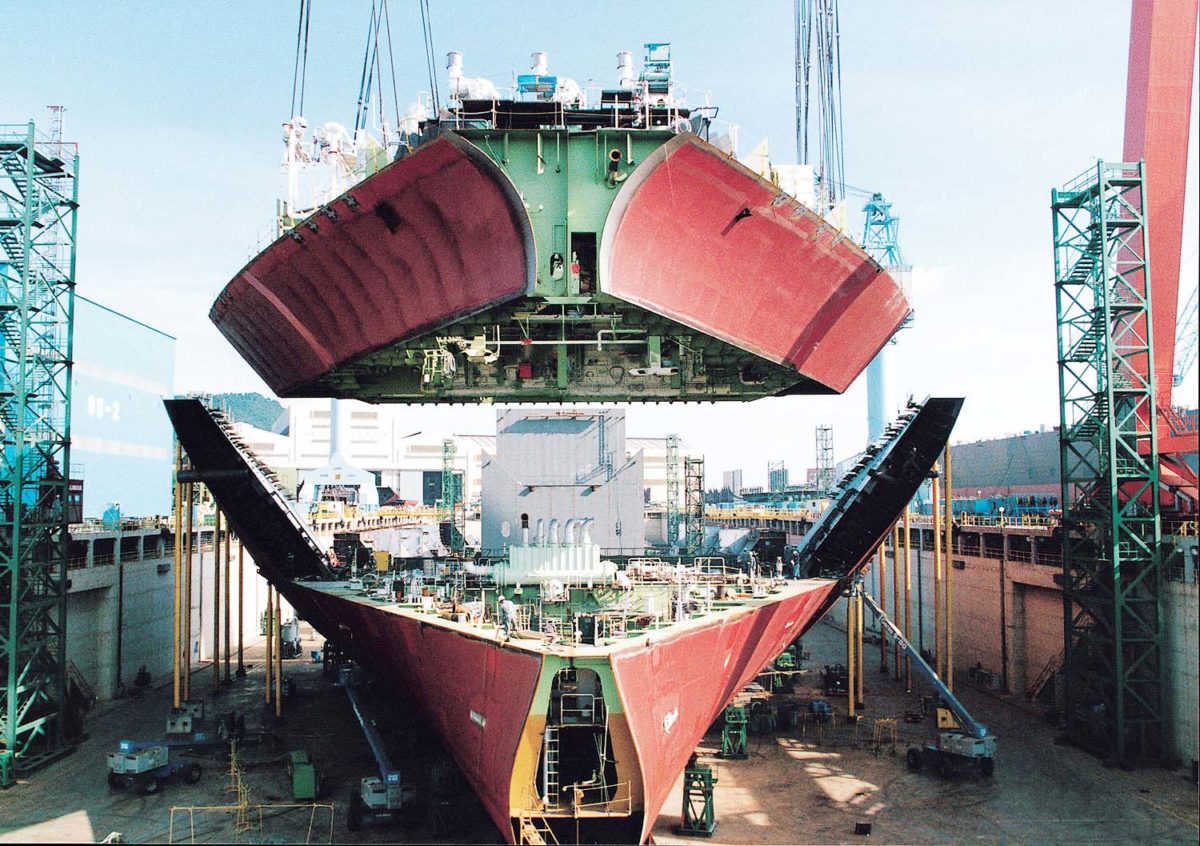
South Korean shipbuilders have reached a consensus not to agree to local steelmakers' demands to increase prices of thick steel plates, which account for about one-fifth of shipbuilding costs.
POSCO, the country's largest steelmaker, is pushing for a 15 percent increase for its thick steel plates.
An official of Hyundai Steel, South Korea's second-largest steelmaker, said they have also begun negotiations with shipbuilder Hyundai Heavy Industries Co. earlier this month and carmakers Hyundai Motor Co. and Kia Corp. He withheld further details.
But the shipbuilders are even insisting on a reduction in thick steel plate prices, or at least a freeze, to stay competitive amid the global economic slowdown.
Daewoo Shipbuilding & Marine Engineering Co. has started negotiating with POSCO and Hyundai Steel and will hold similar talks with Dongkuk Steel Mill Co., the third-biggest steelmaker.
Samsung Heavy Industries Co. has also launched negotiations with POSCO and Hyundai Steel.
The price increase is meant to reflect rising prices of iron ore, which jumped from $93.71 early last year to US$157.42 per ton on Jan. 28.
Ore is a key raw material for steel production.
Yi Hyun-soo, a Yuanta Securities Korea Co. analyst, said steel demand is expected to exceed supply.
Hyundai Steel shifted from a net profit of 25.6 billion won in 2019 to a net loss of 440.1 billion won in 2020, due to weak demand for steel induced by the pandemic. Its operating profit fell 78 percent from 331.3 billion won in 2019 to 73 billion won for the whole of 2020. Its annual sales plunged 12.1 percent to 18.02 trillion won.







