


 Oracle Shares Fall as New Mexico AI Data Center Faces Power Delays
  Oil Prices Surge as U.S.-Iran Diplomacy Hopes Fade
  US 10-Year Treasury Yield at 6% Emerges as New Market Risk Threshold
  Burkina Faso and Mali’s fabulous flora: new plant life record released
  McDonald’s Sees Flat Traffic, Sticky Inflation as New Normal
  Trump, Xi Focus on Trade and AI at White House Summit
  Wildfires ignite infection risks, by weakening the body’s immune defences and spreading bugs in smoke
  Goldman Sachs Names Simon Lyons UK Investment Banking Co-Head
  Apple Extends Qualcomm Patent Licensing Deal
  US, China Extend Trade Truce to Jan. 10 Ahead of Trump-Xi Summit
  Dollar Hits Two-Month High as Fed Rate Hike Bets Rise
  Extreme heat, flooding, wildfires – Colorado’s formerly incarcerated people on the hazards they faced behind bars
  Former OpenAI Data Center Chief Chris Malone Joins Nvidia
  OpenAI Urges US-Led Global Standards for Frontier AI
  Asian Currencies Mixed as Dollar Holds Near Two-Month High


 Add as a preferred source on Google
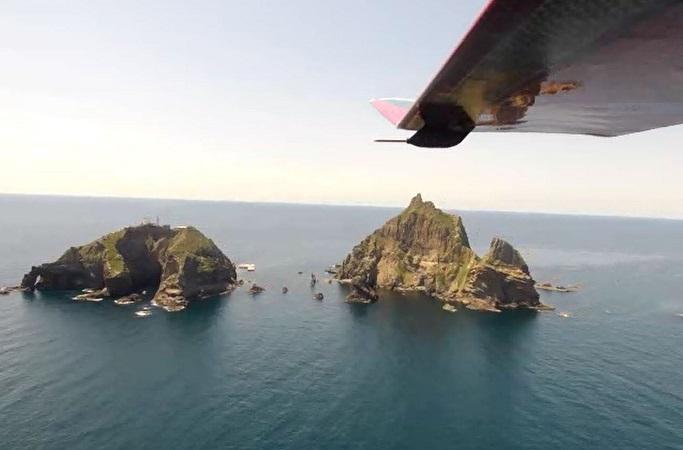
An unmanned solar-powered drone dubbed KAU-SPUAV-2019 developed by the Korea Aerospace University succeeded to fly from the mainland to the easternmost islets of Dokdo and back.
The drone returned just in time to celebrate the school’s 70th anniversary.
A research team from the school developed a mini-sized drone with a wingspan of 4.2 meters and a weight of 5.2 kilograms.
The aircraft took off at 3:30 a.m. on Monday in Uljin, North Gyeongsang Province, from Giseong Mangyang Beach.
At 11:40 a.m. On the same day, the plane flew around Dokdo before landing at 3:40 p.m. in Uljin, capping a more than 13-hour journey.
The solar-powered unmanned aerial vehicle (UAV) flew 440 kilometers, according to the university, breaking a new distance record in South Korea. Solar-powered UAVs do not require landing to recharge, allowing them to fly for longer periods of time.
In 2020, the university research team's solar-powered aircraft established a new flight record of 32 hours and 19 minutes, and in 2021, it set a new record of 56 hours and 33 minutes.







