


 Wildfires ignite infection risks, by weakening the body’s immune defences and spreading bugs in smoke
  US 10-Year Treasury Yield at 6% Emerges as New Market Risk Threshold
  Oil Prices Surge as U.S.-Iran Diplomacy Hopes Fade
  European Stocks Fall as Bond Yields and Geopolitical Risks Weigh
  Soybean Futures Slip as Traders Await Trump-Xi Trade Signals
  US Dollar Hits Two-Month High as Fed Rate Hike Bets Rise
  Asian Stocks Mixed Ahead of Trump-Xi Meeting
  Asian Stocks Fall as Bond Yields Surge Ahead of Trump-Xi Summit
  What’s so special about Ukraine’s minerals? A geologist explains
  How ongoing deforestation is rooted in colonialism and its management practices
  Wall Street Ends Flat as Oil, Treasury Yields and Fed Jitters Rattle Markets
  RBI Uses $10 Billion Currency Swaps to Drain Excess Rupee Liquidity
  As the Black Summer megafires neared, people rallied to save wildlife and domestic animals. But it came at a real cost
  Burkina Faso and Mali’s fabulous flora: new plant life record released
  An unexpected anomaly was found in the Pacific Ocean – and it could be a global time marker


 Add as a preferred source on Google
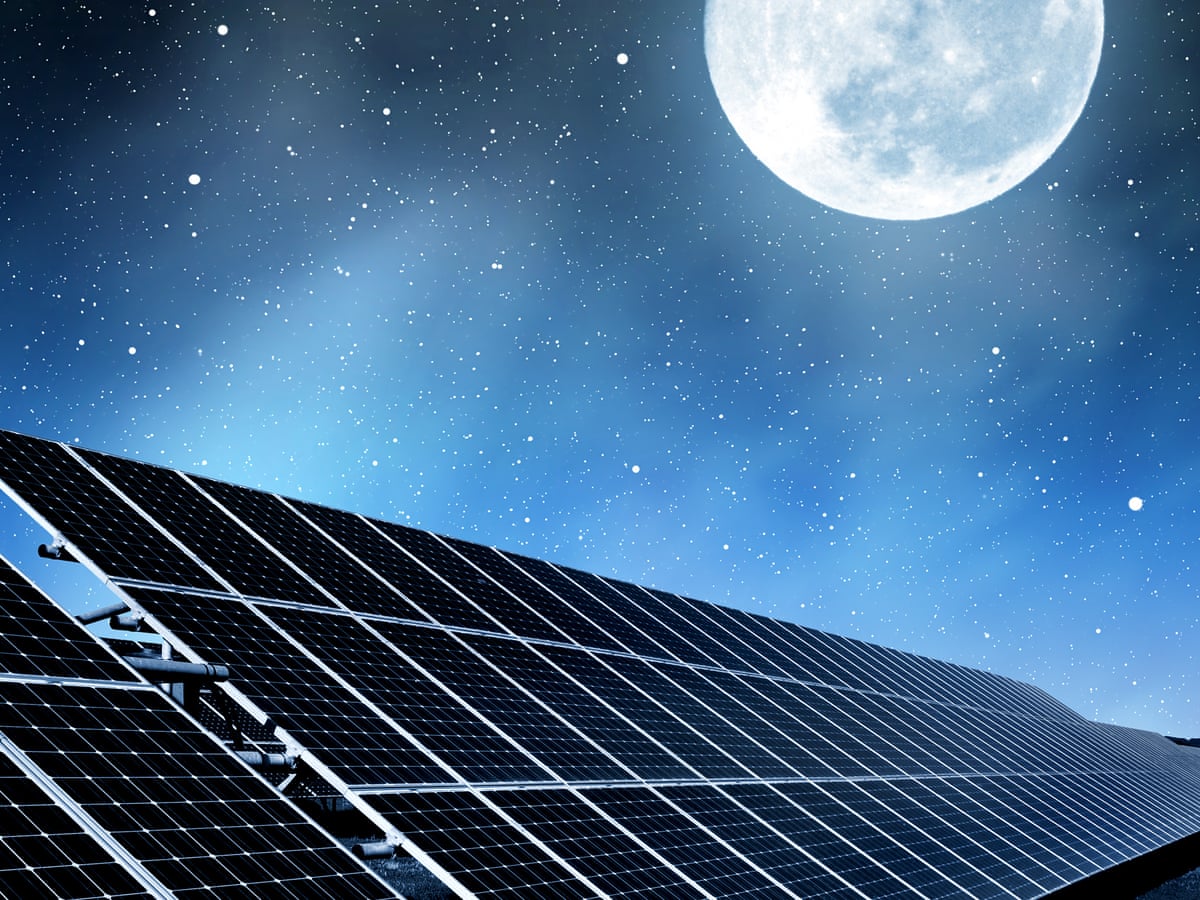
South Korea’s cumulative solar power capacity surged with the newly installed 13,980 MW solar power capacity that started when President Moon Jae-in took office in 2017.
Consequently, solar power more than quadrupled from 4,502 megawatts (MW) in 2016 to 18,158 MW in September.
South Korea's solar power installation was at 4,489 MW from 2007 to 2016.
Along with the solar power capacity increase, the tonnage of waste panels rose to 279.4 last year from 245.6 in 2019 and 17.6 in 2018.
The Korea Institute for Industrial Economics and Trade expects the weight of waste panels generated nationwide to increase to 1,868 tons in 2030 and 85,220 tons in 2040.
Meanwhile, the Korea Environment Institute forecast the country's amount of waste panels to jump to 20,935 tons in 2030 and 112,564 tons in 2040.







