


 Venezuela Names Paula Henao as New Oil Minister Amid U.S.-Led Industry Overhaul
  Trump-Putin Call Addresses Iran War, Ukraine Peace, and Global Oil Crisis
  Russian Drone Strikes Hit Kharkiv and Dnipro, Injuring Over 20 Civilians
  Trump Hints at Possible U.S. Takeover of Cuba Amid Deepening Humanitarian Crisis
  Anthropic Sues Pentagon Over AI Blacklist, Citing Free Speech Violations
  Bipartisan Housing Bill Advances in Senate, Aims to Tackle U.S. Affordability Crisis
  IEA Releases Record 400 Million Barrels of Oil Amid U.S.-Iran War
  Trump Announces New U.S. Oil Refinery in Texas with Indian Energy Giant Reliance
  Iran-U.S. Oil Tensions Escalate as Revolutionary Guards Threaten Strait of Hormuz Blockade
  Mexico's Electoral Reform Bill Fails in Congress as Coalition Fractures
  Trump Doubts Iran Mining Reports as Strait of Hormuz Tensions Escalate
  Shots Fired at U.S. Consulate in Toronto in Suspected National Security Incident
  Taiwan's MQ-9B SkyGuardian Drone Order Stays on Schedule Despite Middle East Conflict
  Japan's BOJ Independence Under Fire as PM Takaichi's Rate Stance Draws Political Heat
  After the Iran war, Persian Gulf nations face tough decisions on the US – a former diplomat explains
  U.S. Patriot Missiles Redeployed From South Korea Amid Middle East Conflict
  U.S.-Israel War on Iran Sends Crude Oil Prices Surging Amid Strait of Hormuz Tensions


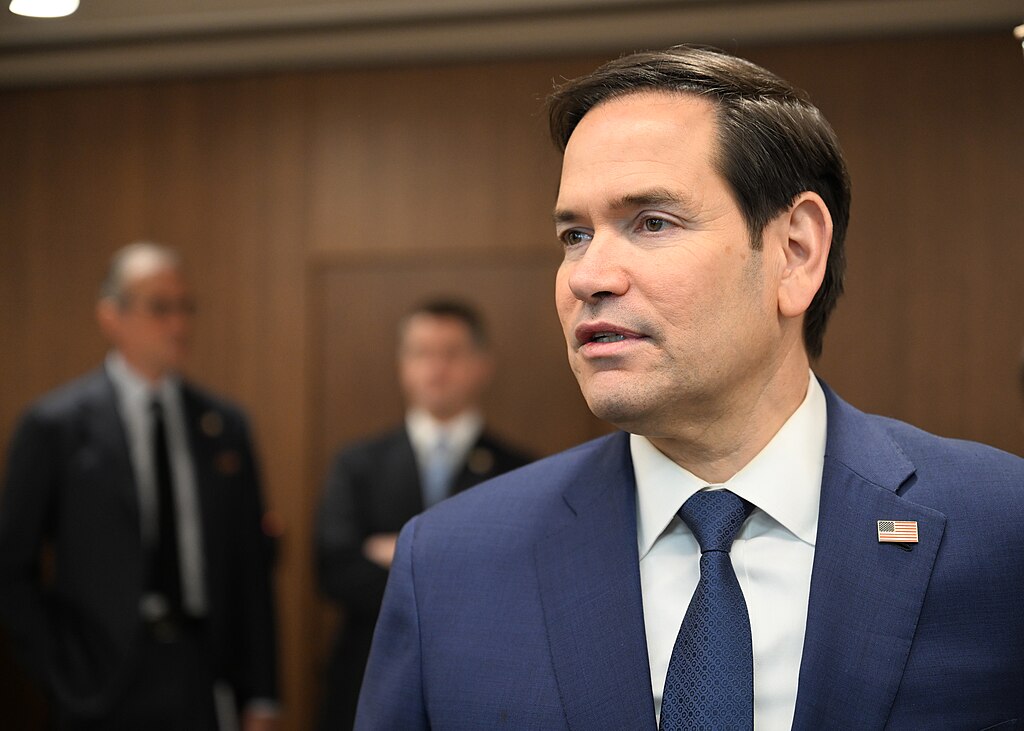
U.S. Secretary of State Marco Rubio held a phone call with Saudi Foreign Minister Prince Faisal bin Farhan on Wednesday to discuss rising concerns about Iran’s role in regional instability and other key developments in the Middle East, according to the U.S. State Department.
During the conversation, Rubio thanked Saudi Arabia for its swift response following the recent attack on the U.S. Embassy in Riyadh. The State Department highlighted the importance of Saudi cooperation in addressing security threats and maintaining stability in the region.
State Department spokesperson Tommy Pigott confirmed the discussion in an official statement, noting that Rubio expressed appreciation for Saudi Arabia’s actions after the embassy incident. The call emphasized the ongoing partnership between the United States and Saudi Arabia in countering security challenges and protecting diplomatic missions.
Rubio and Prince Faisal also addressed broader geopolitical tensions, particularly the continued threats posed by Iran to regional stability. According to the statement, both leaders discussed concerns about Iran’s activities and their potential impact on security across the Middle East.
The conversation comes at a time when tensions involving Iran remain a key focus for U.S. foreign policy in the region. Washington has repeatedly raised concerns about Iran’s actions, which U.S. officials say contribute to instability and security risks for neighboring countries and international interests.
Saudi Arabia, one of the United States’ most important partners in the Middle East, has played a central role in regional diplomacy and security coordination. The latest discussion between Rubio and Prince Faisal reflects ongoing efforts by both governments to address emerging threats and strengthen cooperation on issues affecting regional peace.
The U.S. State Department did not provide additional details about the embassy attack or the specific measures taken by Saudi authorities. However, officials emphasized that continued coordination between Washington and Riyadh remains essential to addressing security challenges, monitoring Iran’s activities, and maintaining stability across the Middle East.













