


 SK Hynix Shares Drop After Strong Nasdaq Debut Despite $26 Billion ADR Listing
  Levi Strauss Raises 2026 Outlook After Q2 Earnings Beat, Shares Drop Despite Strong Results
  Genesis Minerals to Acquire Vault in A$5.6 Billion Deal After Regis Withdraws
  Deutsche Bank Fined A$2 Million by ASIC Over OTC Derivatives Reporting Errors
  Muji Owner Ryohin Keikaku Stock Soars After Raising Full-Year Earnings Forecast
  Paramount-Warner Bros. Discovery Merger Faces Lawsuit From 12 States
  Nvidia Tightens AI Chip Sales in Asia With Stricter Customer Approval Process
  Morgan Stanley Says China’s Reusable Rocket Progress Poses Long-Term Challenge to SpaceX
  Australia Flags Child Safety Gaps at Apple, Meta, Google Over Online Sexual Extortion
  OpenAI Executive Fidji Simo to Step Down Amid Health Challenges Ahead of IPO
  Mastercard Explores Sale of Majority Stake in UK Payments Firm Vocalink: Report
  Samsung to Launch First Yongin Chip Plant by 2029 as South Korea Speeds Up Semiconductor Hub
  Kitron Q2 Revenue Beats Estimates as Defense Demand Lifts Growth
  Oppenheimer Sees CNH Industrial as Top 2026 Agriculture Stock Pick on Dealer Consolidation Strategy
  SK Hynix Soars 13% in Nasdaq Debut After Record $26.5 Billion IPO
  Stellantis Q2 Vehicle Shipments Rise 10% as North America Drives Growth
  Morgan Stanley Names Marks & Spencer Top European Retail Pick, Sees Strong Upside


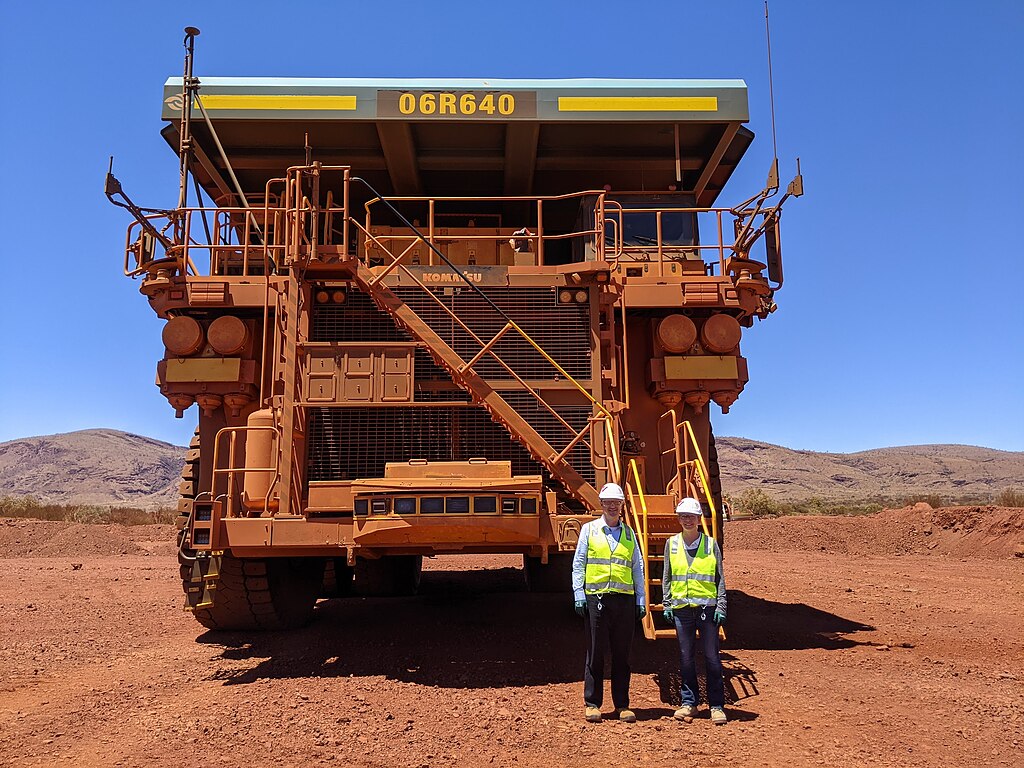
Rio Tinto Ltd (ASX: RIO) announced on Friday that it has signed an interim modernized agreement with the Yinhawangka Aboriginal Group, marking an important step in reshaping how the mining giant operates on Yinhawangka land in Western Australia’s Pilbara region. The agreement updates and builds on the original 2013 native title agreement between the two parties, with both sides working toward a comprehensive, long-term agreement expected to be finalized in 2026.
Under the new interim arrangement, the Yinhawangka Aboriginal Group will have a stronger and more direct role in the planning and operation of Rio Tinto’s mining activities on their traditional lands. This includes closer collaboration on key decisions related to cultural heritage protection, environmental management, and land use. Both Rio Tinto and Yinhawangka representatives emphasized that the agreement is designed to foster greater partnership, transparency, and shared decision-making.
The Yinhawangka people primarily reside in the Pilbara, a globally significant iron ore-producing region that underpins much of Rio Tinto’s Australian operations. The 2013 agreement granted Rio Tinto consent to conduct certain mining activities on Yinhawangka country, while recognizing the group’s native title rights. The updated interim agreement reflects evolving expectations around Indigenous engagement and responsible resource development.
Rio Tinto has faced heightened scrutiny over its relationships with Indigenous communities in recent years, particularly following the 2020 destruction of the Juukan Gorge rock shelters. The blast, which destroyed two ancient and sacred Aboriginal sites, sparked international outrage, led to a parliamentary inquiry, and prompted widespread calls for reform in how mining companies manage cultural heritage.
Against this backdrop, the interim agreement with the Yinhawangka is seen as part of Rio Tinto’s broader efforts to rebuild trust, strengthen community partnerships, and improve its approach to cultural heritage protection. While the agreement is temporary, it signals a shift toward more inclusive governance and sets the foundation for a full, modernized agreement aimed at balancing mining development with the protection of Indigenous rights and cultural values.







