


 Russian Drone Strikes Hit Kharkiv and Dnipro, Injuring Over 20 Civilians
  Trump-Putin Call Addresses Iran War, Ukraine Peace, and Global Oil Crisis
  After the Iran war, Persian Gulf nations face tough decisions on the US – a former diplomat explains
  U.S. Patriot Missiles Redeployed From South Korea Amid Middle East Conflict
  Japan's BOJ Independence Under Fire as PM Takaichi's Rate Stance Draws Political Heat
  Iran's Government Remains Stable Despite U.S. and Israeli Strikes, Intelligence Shows
  Bipartisan Housing Bill Advances in Senate, Aims to Tackle U.S. Affordability Crisis
  Mexico's Electoral Reform Bill Fails in Congress as Coalition Fractures
  Iran-Israel War Sparks Global Oil Crisis as Tankers Burn in Gulf Waters
  Iran Mines Strait of Hormuz: Crude Oil Prices Surge Amid Middle East Tensions
  U.S. Calls for Reassessment of International Aid to Taliban-Ruled Afghanistan
  Boeing Secures $289 Million Smart Bomb Contract With Israel
  FBI Warns of Possible Iranian Drone Attacks on California Amid U.S.-Iran War
  Pentagon Taps Wall Street Talent to Manage $200 Billion Defense Investment Fund
  Taiwan's MQ-9B SkyGuardian Drone Order Stays on Schedule Despite Middle East Conflict
  Iran-U.S. Oil Tensions Escalate as Revolutionary Guards Threaten Strait of Hormuz Blockade
  IEA Releases Record 400 Million Barrels of Oil Amid U.S.-Iran War


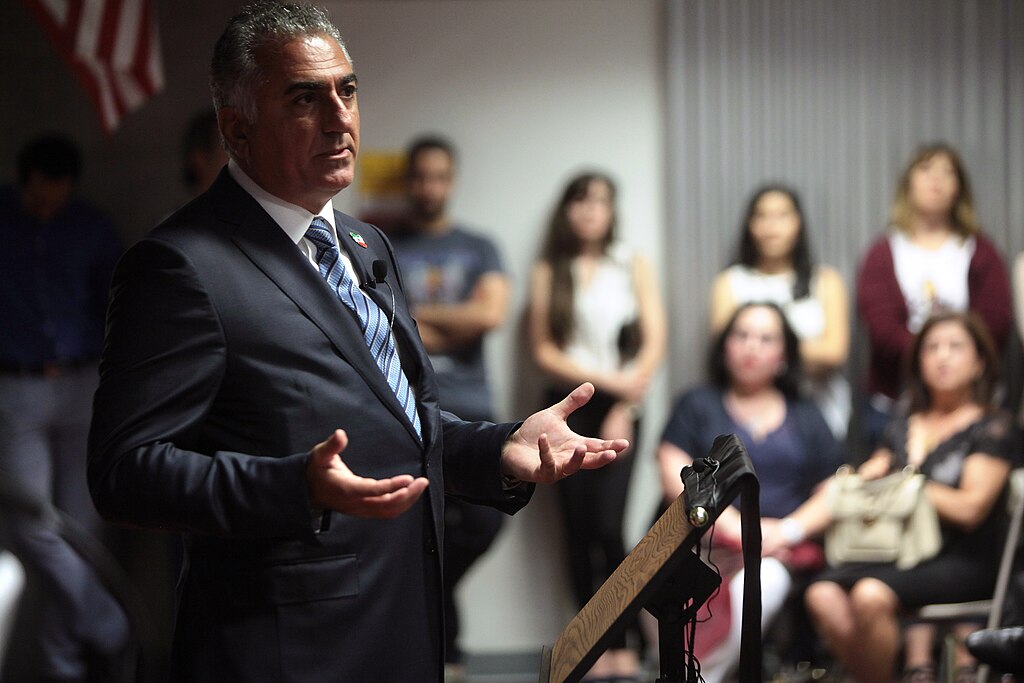
Iranian opposition figure Reza Pahlavi has called for potential U.S. military intervention in Iran, arguing that decisive action could save lives and accelerate political change. Speaking to Reuters on the sidelines of the Munich Security Conference, where Iranian government officials were barred from attending, the exiled son of Iran’s former shah said the Islamic Republic appears to be nearing a breaking point.
Pahlavi, who has lived outside Iran since the 1979 Islamic Revolution, claimed that recent unrest signals growing instability within the Iranian government. Nationwide protests erupted on December 28, initially sparked by economic hardship demonstrations in Tehran’s Grand Bazaar. The movement quickly spread across the country, leading to what authorities described as the most severe crackdown since 1979. Thousands have reportedly been arrested as part of a mass campaign aimed at deterring further anti-government protests.
According to Pahlavi, prolonged negotiations between the United States and Iran over a new nuclear deal may not yield meaningful results. He urged President Donald Trump’s administration to reconsider extended diplomatic talks with Tehran’s clerical leadership. The Trump administration has recently engaged in discussions with Iranian diplomats in Oman while simultaneously increasing U.S. military presence in the region. Additional negotiations are expected in the coming week.
Pahlavi argued that abandoning negotiations in favor of stronger measures could embolden Iranian citizens seeking regime change. He stated that intervention might hasten the collapse of the current leadership and allow protesters to return to the streets. However, Iran’s opposition remains fragmented, with monarchists, reformists, and other factions divided in strategy and influence. In a previous Reuters interview, Trump questioned the extent of Pahlavi’s support inside Iran.
Meanwhile, two anonymous U.S. officials revealed that the U.S. military is preparing contingency plans for a potential sustained operation against Iran if ordered by the president. In a speech to U.S. troops in North Carolina, Trump said Iran has been difficult in nuclear negotiations and suggested that applying pressure could be necessary to resolve the standoff.
The evolving situation underscores mounting tensions between Washington and Tehran, as debates continue over diplomacy, military action, and the future of Iran’s political landscape.













