


 Sara Duterte Impeachment Trial Opens, Putting 2028 Philippine Election in Focus
  Iran Holds State Funeral for Ali Khamenei as Security Fears Shape Succession
  UN Warns of Looming Human Rights Catastrophe in Sudan’s Al-Obeid
  Trump Marks America’s 250th Anniversary With National Mall Rally Amid Political Divide
  Israeli Airstrike Kills Two in Gaza City as Ceasefire Violations and Truce Talks Persist
  Amy Coney Barrett Faces Conservative Backlash After Key Supreme Court Rulings Against Trump
  Russia Strikes Kyiv as Ukraine Faces Patriot Missile Shortage Before NATO Summit
  Trump Administration Proposes Repeal of 702 Federal Regulations in Major Deregulation Push
  Air Force Investigates Officer After Capitol Protest Calling for Trump, Vance Impeachment
  Burgum Defends Free Speech as Patriot Front July 4 March Sparks Debate
  Russian Attacks Kill Six Across Ukraine as Kyiv Mourns Deadly Strike
  Trump Offers to Help Advance Ukraine Peace Talks in Call With Putin
  UN Rights Council Launches Sudan Probe Over RSF Violence in al-Obeid
  China Submarine Missile Test Sparks Concern Across Asia-Pacific
  Michigan Senate Race Narrows as Mallory McMorrow Ends Democratic Campaign
  Khamenei Funeral Draws Massive Crowds as Iran’s New Supreme Leader Remains Absent
  Kim Jong Un Oversees North Korea Destroyer Missile Tests, Orders Rapid Naval Deployment


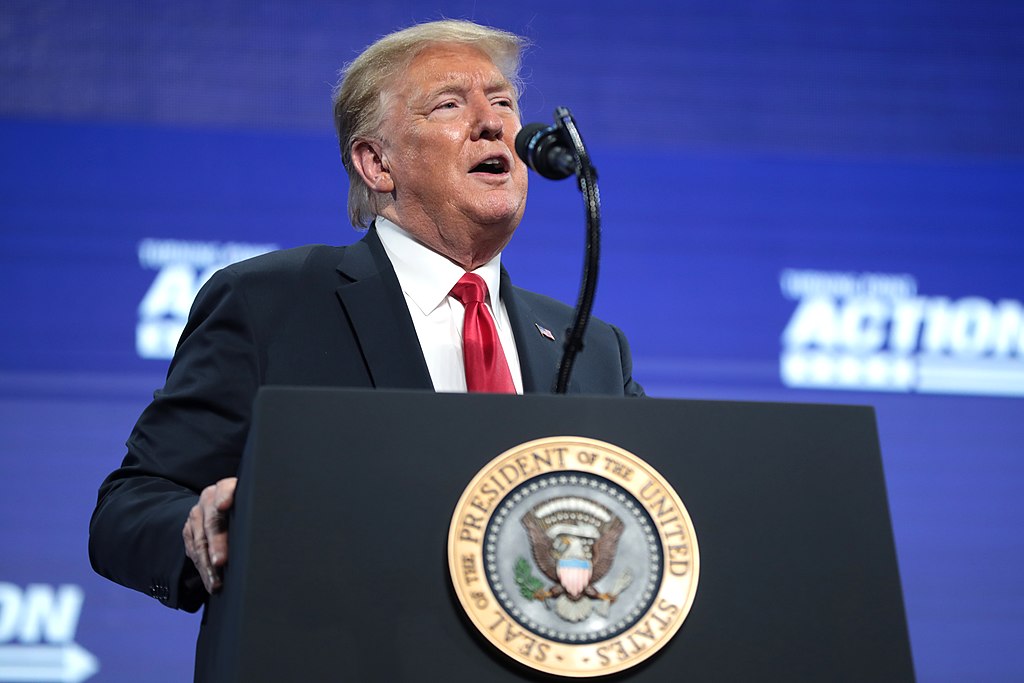
Republicans are preparing to reintroduce a contentious piece of legislation that could transform voter registration procedures across the United States. Known as the Securing America’s Voting Eligibility (SAVE) Act, the bill seeks to mandate proof of citizenship when registering to vote. Additionally, it would impose penalties on election officials who fail to verify voter eligibility, a move critics argue could suppress voter turnout and intimidate election workers.
This push comes as Republicans regain control of Congress and intensify efforts to address what they claim are vulnerabilities in the electoral system. Advocates for the SAVE Act argue that stricter voter ID laws are necessary to protect election integrity. However, opponents warn that such measures could disproportionately impact marginalized communities, making it harder for eligible voters to participate in democracy.
Potential Impact on Election Officials and Voters
If enacted, the SAVE Act would require individuals to present government-issued proof of citizenship, such as a passport or birth certificate, when registering to vote. Failure to comply could result in the rejection of voter applications. Furthermore, election officials who do not thoroughly verify eligibility could face fines or legal action under the proposed law.
Critics say these measures could overburden election workers and deter qualified individuals from seeking such roles. The SAVE Act’s punitive approach, they argue, risks creating an environment of fear and mistrust within the electoral system.
Civil rights organizations are especially concerned about the bill’s potential to disenfranchise voters. They note that obtaining proof of citizenship can be costly and time-consuming, particularly for low-income individuals, seniors, and people of color. Opponents argue that these barriers could result in significant voter suppression, undermining decades of progress in expanding access to the ballot box.
Social Media Buzz: Voters React to SAVE Act Push
The introduction of the SAVE Act has ignited heated debates online, with Twitter users voicing strong opinions on the proposed legislation:
- @DemocracyNow: “The SAVE Act is just a thinly veiled attempt to suppress votes. Proof of citizenship is unnecessary!”
- @PatriotDefender23: “About time Congress got serious about voter fraud. If you’re a citizen, you have nothing to fear.”
- @JusticeForAll2024: “This bill will target marginalized communities and make voting an even bigger challenge for them.”
- @ElectionIntegrityNow: “Penalizing election officials? How will that improve our system? Republicans need to rethink this one.”
- @LibertyAndJustice: “We’ve seen enough election chaos. The SAVE Act could finally bring some much-needed accountability.”
- @EqualVoices2025: “Restricting voter access isn’t the answer. We need policies that protect democracy, not destroy it.”
A Battle Over Election Integrity or Suppression?
Republicans are framing the SAVE Act as a crucial step toward bolstering election integrity in the wake of unsubstantiated claims of widespread voter fraud in 2020. Democrats, however, see the legislation as a direct attack on voting rights, designed to shrink the electorate and strengthen Republican control.
As the debate over the SAVE Act unfolds, it’s clear that the legislation will be a flashpoint in the broader battle over the future of American democracy. With voting rights advocates preparing legal challenges, the fight over the SAVE Act could extend well beyond the halls of Congress.







