


 Boeing Secures $289 Million Smart Bomb Contract With Israel
  After the Iran war, Persian Gulf nations face tough decisions on the US – a former diplomat explains
  Iran's Government Remains Stable Despite U.S. and Israeli Strikes, Intelligence Shows
  Trump Administration Launches Trade Investigations Against 16 Countries Over Industrial Overcapacity
  Trump Announces New U.S. Oil Refinery in Texas with Indian Energy Giant Reliance
  Israel-Iran War: Herzog Urges Patience as U.S. and Israeli Strikes Intensify
  Trump Hints at Possible U.S. Takeover of Cuba Amid Deepening Humanitarian Crisis
  Iran-U.S. Oil Tensions Escalate as Revolutionary Guards Threaten Strait of Hormuz Blockade
  Ukraine Strikes Russian Missile Component Factory in Bryansk Using British Weapons
  Venezuela Names Paula Henao as New Oil Minister Amid U.S.-Led Industry Overhaul
  Trump-Putin Call Addresses Iran War, Ukraine Peace, and Global Oil Crisis
  Japan's BOJ Independence Under Fire as PM Takaichi's Rate Stance Draws Political Heat
  U.S. Senate Greenlights AI Chatbots for Official Staff Use
  U.S. Calls for Reassessment of International Aid to Taliban-Ruled Afghanistan
  Pentagon Taps Wall Street Talent to Manage $200 Billion Defense Investment Fund
  U.S. and Russia Hold Diplomatic Talks in Florida Amid Ongoing Tensions
  Bipartisan Housing Bill Advances in Senate, Aims to Tackle U.S. Affordability Crisis


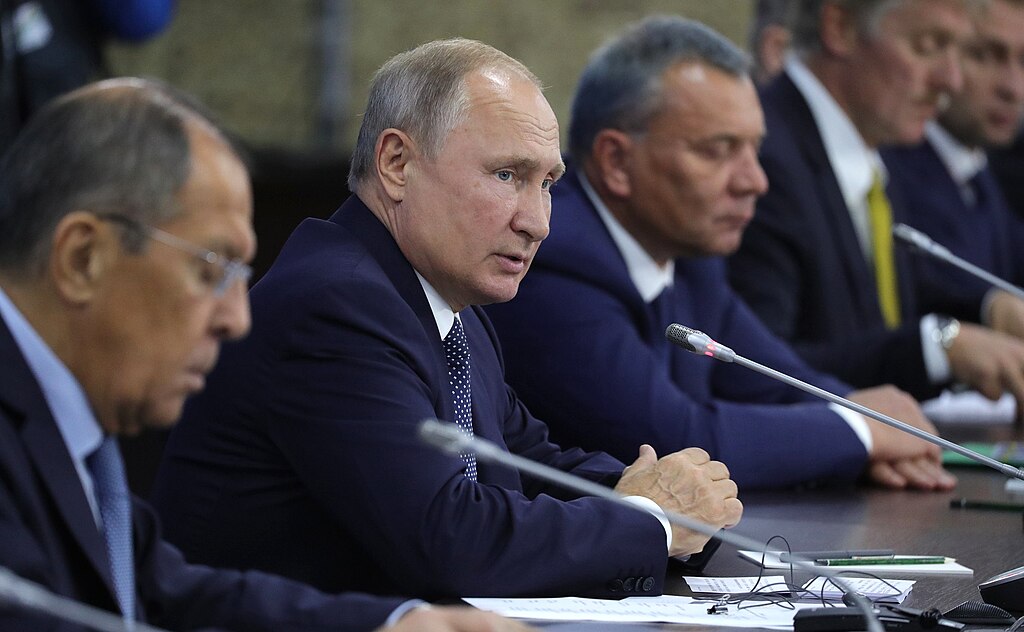
A senior aide to Russian President Vladimir Putin said on Sunday that proposed changes by European countries and Ukraine to U.S.-drafted plans for ending the war in Ukraine have not improved the chances of achieving lasting peace. The comments highlight ongoing tensions surrounding diplomatic efforts to resolve the nearly four-year-old conflict.
The original U.S. proposals, which were leaked to media outlets last month, sparked concern among European governments and Ukrainian officials who feared the plan favored Russia too heavily. Critics argued that the administration of U.S. President Donald Trump could pressure Kyiv into making excessive concessions to Moscow. In response, European and Ukrainian negotiators met with U.S. envoys to suggest amendments, though the revised details have not been publicly disclosed.
Kremlin foreign policy adviser Yuri Ushakov told reporters in Moscow that these proposed changes would not enhance the prospects for a long-term settlement. While noting that he had not yet reviewed the updated proposals in detail, Ushakov expressed confidence that the European and Ukrainian input did not strengthen the document or increase the likelihood of durable peace.
His remarks followed meetings in Florida between Putin’s special envoy Kirill Dmitriev and senior U.S. figures, including U.S. special envoy Steve Witkoff and Jared Kushner. Russian television footage showed Dmitriev returning to his Miami hotel after two days of discussions. Ushakov said Dmitriev would return to Moscow and brief Putin on the signals conveyed by U.S. officials, including feedback from European and Ukrainian representatives.
These diplomatic exchanges come as Ukraine’s President Volodymyr Zelenskiy indicated support for potential three-way talks involving the United States and Russia, provided they lead to further prisoner exchanges and high-level meetings. Ushakov, however, dismissed the idea, saying such talks were not being seriously considered.
The outcome of these negotiations could determine whether Putin agrees to end the war, the future security of Ukraine, and whether a U.S.-brokered peace deal could endure. Russia maintains that European leaders are undermining talks by adding conditions unacceptable to Moscow, while Ukraine and its allies argue Russia must not be rewarded for what they describe as an imperial land grab following the February 2022 invasion.













