


 Samsung to Launch First Yongin Chip Plant by 2029 as South Korea Speeds Up Semiconductor Hub
  Stripe, Advent Offer $53 Billion Deal to Acquire PayPal: Reuters
  Taiwan Mangoes Head to Europe as Premium Fruit Exports Expand
  Muji Owner Ryohin Keikaku Stock Soars After Raising Full-Year Earnings Forecast
  SK Hynix Shares Drop After Strong Nasdaq Debut Despite $26 Billion ADR Listing
  SK Hynix Soars 13% in Nasdaq Debut After Record $26.5 Billion IPO
  SK Hynix Stock Soars as AI Memory Demand Outlook Fuels Chip Rally
  Apple Sues OpenAI, Former Employees Over Alleged Trade Secret Theft
  Stellantis Q2 Vehicle Shipments Rise 10% as North America Drives Growth
  Paramount-Warner Bros. Discovery Merger Faces Lawsuit From 12 States
  Deutsche Bank Fined A$2 Million by ASIC Over OTC Derivatives Reporting Errors
  DOJ Grand Jury Investigates UAW President Shawn Fain Ahead of Union Election
  Rio Tinto Reports Strong Q2 Iron Ore Sales, Maintains 2026 Production Outlook
  Mastercard Explores Sale of Majority Stake in UK Payments Firm Vocalink: Report
  Nvidia Tightens AI Chip Sales in Asia With Stricter Customer Approval Process
  BHP Faces Major Port Hedland Strike as Labor Talks Stall Ahead of Production Report
  Richemont Q1 Sales Beat Forecast as Cartier Demand Drives Strong Growth


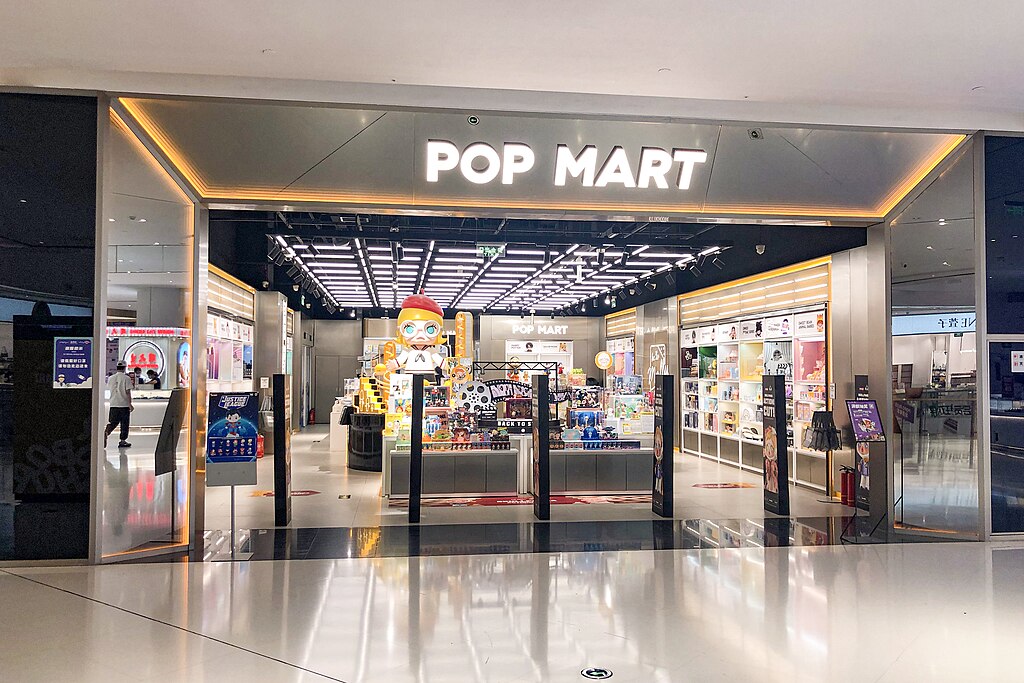
China’s Pop Mart is rewriting the rules of the toy industry by transforming its toothy monster character, Labubu, into a long-term global intellectual property (IP). Executive Director and co-COO Si De revealed that the company is closely studying Disney’s strategy of nurturing characters for decades, pointing to Mickey Mouse as an enduring success story.
Labubu has already achieved what many thought was impossible: becoming the first Chinese product to win international recognition for its emotional and creative appeal rather than its price. The character’s blockbuster success has lifted Pop Mart’s valuation above Hasbro, Mattel, and Sanrio combined, with shares soaring nearly 200% this year. Analysts, however, warn of the risks of over-reliance on one character, as Labubu and its series The Monsters made up around 35% of first-half revenue in 2023.
Si emphasized that Pop Mart is not rushing to find the next big hit. Instead, the company is focused on strengthening Labubu’s universe through new products, collaborations, content creation, store displays, and even theme parks. The ultimate goal is to build five to ten IPs with the same global potential as Labubu.
Pop Mart’s formula for success has deep roots. Founder Wang Ning spotted the collectible figurine trend as early as 2010 and pivoted toward art toys. By securing rights to popular characters like Molly from designer Kenny Wong, Pop Mart established a foundation of original IP ownership. Labubu joined the lineup in 2019 and quickly became a fan favorite.
The company’s “blind box” retail strategy—selling toys in sealed packages where buyers don’t know which figure they’ll get—helped boost engagement and appeal, particularly among young female consumers, a group overlooked by the traditional toy market.
With China’s art toy industry expected to surpass 120 billion yuan ($16.85 billion) in revenue this year, competition is heating up from rivals like 52 Toys and Miniso. Still, Pop Mart’s Disney-inspired vision shows it is determined to turn Labubu into more than a passing fad—potentially building an entertainment empire that rivals global giants.







