


 U.S. Patriot Missiles Redeployed From South Korea Amid Middle East Conflict
  Taiwan's MQ-9B SkyGuardian Drone Order Stays on Schedule Despite Middle East Conflict
  Iran Mines Strait of Hormuz: Crude Oil Prices Surge Amid Middle East Tensions
  Trump-Putin Call Addresses Iran War, Ukraine Peace, and Global Oil Crisis
  Mexico's Electoral Reform Bill Fails in Congress as Coalition Fractures
  Boeing Secures $289 Million Smart Bomb Contract With Israel
  Ukraine Strikes Russian Missile Component Factory in Bryansk Using British Weapons
  Iran's Government Remains Stable Despite U.S. and Israeli Strikes, Intelligence Shows
  Pentagon Taps Wall Street Talent to Manage $200 Billion Defense Investment Fund
  Trump Administration Launches Trade Investigations Against 16 Countries Over Industrial Overcapacity
  U.S. Senate Greenlights AI Chatbots for Official Staff Use
  IEA Releases Record 400 Million Barrels of Oil Amid U.S.-Iran War
  Japan's BOJ Independence Under Fire as PM Takaichi's Rate Stance Draws Political Heat
  Venezuela Names Paula Henao as New Oil Minister Amid U.S.-Led Industry Overhaul
  U.S.-Israel War on Iran Sends Crude Oil Prices Surging Amid Strait of Hormuz Tensions
  After the Iran war, Persian Gulf nations face tough decisions on the US – a former diplomat explains
  Trump Hints at Possible U.S. Takeover of Cuba Amid Deepening Humanitarian Crisis


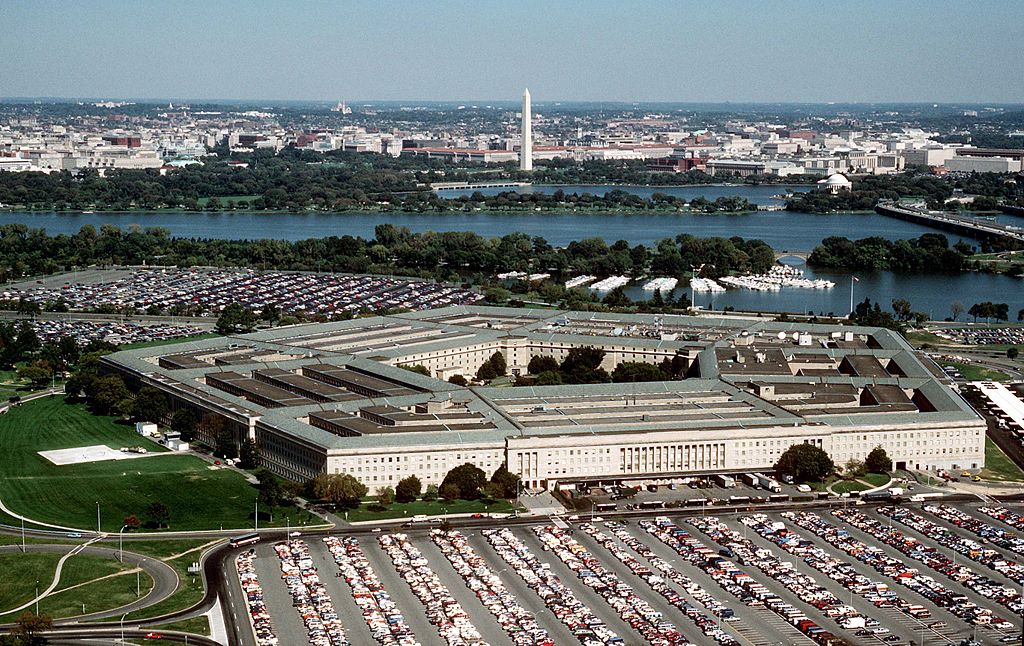
The Pentagon on Monday sought to ease concerns that the recent U.S. attack on Iran could spiral into a prolonged Middle East conflict, even as officials declined to provide a clear timeline and acknowledged more American casualties are likely.
The United States and Israel launched large-scale military strikes on Iran over the weekend, marking one of the most significant escalations in decades. According to U.S. officials, the operation has targeted more than 1,250 sites, sunk 11 Iranian warships, and killed Supreme Leader Ayatollah Ali Khamenei. The campaign aims to weaken Iran’s naval forces and missile capabilities, which U.S. Defense Secretary Pete Hegseth said could otherwise shield covert nuclear weapons development. Tehran continues to deny pursuing nuclear arms.
During the first Pentagon briefing since the conflict began, Joint Chiefs Chairman General Dan Caine described the offensive as “major combat operations,” warning that progress would take time. Hegseth rejected comparisons to the Iraq War, insisting the mission would not become an “endless war,” though he avoided committing to a specific timeframe. President Donald Trump has suggested strikes could continue for several weeks.
Iran has retaliated with drone and missile attacks, many intercepted by U.S. and allied air defenses. However, the Pentagon confirmed six U.S. service members have been killed and several others injured. In one incident, Kuwaiti air defenses mistakenly shot down three U.S. F-15 fighter jets, injuring six troops.
Democrats have criticized the administration, calling the operation a “war of choice” and questioning intelligence claims that Iran posed an imminent ballistic missile threat to the United States. Reports indicate U.S. intelligence did not confirm immediate plans by Iran to attack American forces.
Meanwhile, polling shows only 25% of Americans support the strikes, reflecting growing concerns about U.S. troop safety and the broader impact on regional stability as the military buildup in the Middle East continues.













