


 Iran-Israel War Sparks Global Oil Crisis as Tankers Burn in Gulf Waters
  U.S. and Russia Hold Diplomatic Talks in Florida Amid Ongoing Tensions
  FBI Warns of Possible Iranian Drone Attacks on California Amid U.S.-Iran War
  Trump Doubts Iran Mining Reports as Strait of Hormuz Tensions Escalate
  U.S. Patriot Missiles Redeployed From South Korea Amid Middle East Conflict
  Boeing Secures $289 Million Smart Bomb Contract With Israel
  Pentagon Taps Wall Street Talent to Manage $200 Billion Defense Investment Fund
  Venezuela Names Paula Henao as New Oil Minister Amid U.S.-Led Industry Overhaul
  Shots Fired at U.S. Consulate in Toronto in Suspected National Security Incident
  Trump Announces New U.S. Oil Refinery in Texas with Indian Energy Giant Reliance
  U.S. Calls for Reassessment of International Aid to Taliban-Ruled Afghanistan
  U.S. Senate Greenlights AI Chatbots for Official Staff Use
  Ukraine Strikes Russian Missile Component Factory in Bryansk Using British Weapons
  U.S.-Israel War on Iran Sends Crude Oil Prices Surging Amid Strait of Hormuz Tensions
  After the Iran war, Persian Gulf nations face tough decisions on the US – a former diplomat explains
  Trump Hints at Possible U.S. Takeover of Cuba Amid Deepening Humanitarian Crisis
  Iran Mines Strait of Hormuz: Crude Oil Prices Surge Amid Middle East Tensions


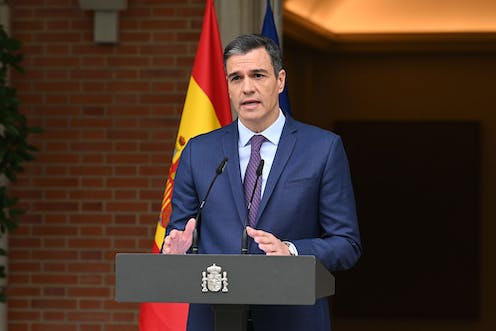
Spanish Prime Minister Pedro Sanchez has adopted an increasingly defiant stance toward U.S. policy, a move that resonates with many Spanish voters but risks straining Spain–U.S. relations. As one of Europe’s few prominent left-leaning leaders, Sanchez has openly criticized elements of President Donald Trump’s agenda, positioning Spain as an independent voice within NATO and the broader transatlantic alliance.
Sanchez has condemned U.S. intervention in Venezuela, called for tighter regulation of social media platforms, and resisted NATO’s proposed defense spending target of 5% of GDP. In a New York Times opinion piece, he took aim at “MAGA-style leaders,” arguing that anti-migration rhetoric misleads voters and defending his digital reforms as a way of “making social media great again.” His refusal to allow vessels transporting weapons to Israel to dock in Spanish ports has also triggered a U.S. review that could potentially affect Spanish shipping access to American markets.
Despite these tensions, Spanish public opinion appears to support many of Sanchez’s foreign policy positions. Recent polls show a majority of Spaniards hold unfavorable views of the United States, while strong support exists for restricting social media access for children under 14. Many Spaniards also oppose U.S. actions in Venezuela and back Sanchez’s criticism of Israel’s operations in Gaza. On defense spending, the electorate remains divided, though left-leaning voters largely support maintaining lower military expenditure.
Critics within Europe argue that Sanchez’s resistance to higher NATO spending weakens transatlantic solidarity. U.S. officials, including newly appointed Ambassador Benjamin Leon, have signaled that defense commitments will remain a priority in bilateral discussions. However, analysts note that Spain’s relatively modest trade exposure to the U.S. limits Washington’s leverage.
Supporters contend that Sanchez’s firm approach enhances Spain’s global standing and reflects long-standing domestic sentiment. By balancing domestic political pressures with strategic diplomacy, Sanchez appears confident that standing his ground offers more political gain than risk in today’s shifting geopolitical landscape.













