


 Asian Currencies Rise as Yen Surges on Fed Rate Outlook
  China Services PMI Beats Forecasts as Domestic Demand Improves
  European Stocks Edge Higher as Bond Yields Ease
  Singapore Straits Times Index Hits Record High as Banks, Property Stocks Rally
  Asian Currencies Weaken as Dollar Rises, Kiwi Slides After RBNZ Hike
  Oil Prices Slip as Trump Eases Iran Supply Fears
  US Tech Giants’ AI Bond Boom Raises Euro Zone Borrowing Risks
  Asian Stocks Rally as Fed Rate Hike Fears Ease
  India Services PMI Rises to 54.1 as Hiring Accelerates
  FTSE 100 Falls as US-Iran Conflict Drives Oil Prices Higher
  Asian Currencies Rise as Yen Surges on BOJ Rate Hike Bets
  South Korea Inflation Rises to 3.1% in August
  US Oil Blockade Deepens Iran’s Economic Crisis
  U.S. Payrolls Seen Rebounding in August as Labor Market Stays Soft
  Australia Trade Surplus Beats Forecasts in July as Exports Fall
  Yen Extends Gains as BOJ Rate Hike Bets Rise
  Gold Prices Hold Near $4,500 as Fed Rate Hike Bets Ease


 Add as a preferred source on Google
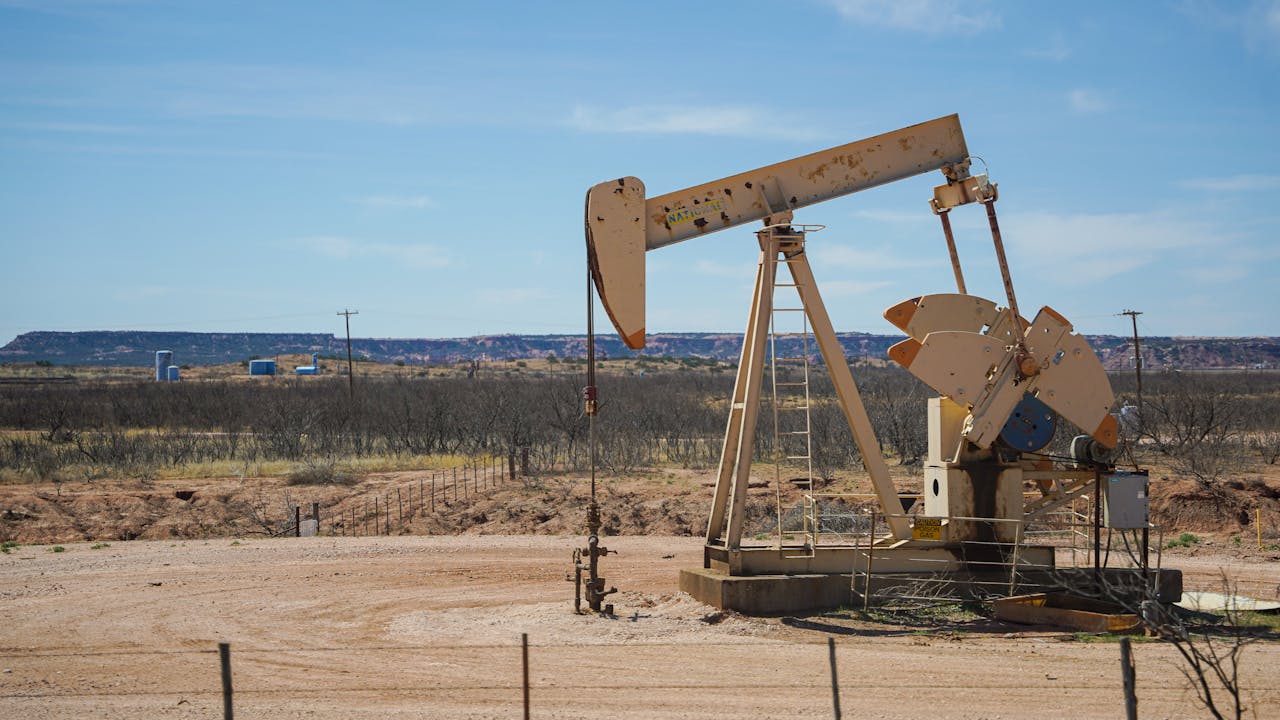
Oil prices climbed in Asian trading on Friday, heading for strong weekly gains as escalating U.S.-Iran hostilities fueled concerns about prolonged disruptions to crude shipments through the Strait of Hormuz.
Brent crude futures for November delivery rose 0.2% to $95.67 per barrel as of 21:07 ET (01:07 GMT), while West Texas Intermediate (WTI) crude futures gained 0.3% to $91.58.
Brent was on course for a weekly gain of roughly 7%, while WTI was set to jump about 10%. Both crude benchmarks touched six-week highs in the previous session as geopolitical risks pushed oil prices higher.
The rally intensified after U.S. forces carried out strikes against Iranian targets earlier this week, including military assets near the Strait of Hormuz. Iran retaliated with missile and drone attacks targeting U.S. and allied positions across the Gulf region, including Kuwait, Bahrain and Jordan.
Energy markets remain particularly focused on the Strait of Hormuz, a critical route for global oil supplies. Iran has expanded restrictions on international shipping through the waterway, increasing fears that extended disruptions could tighten crude availability and keep oil prices elevated.
Tensions were further heightened by reports that a U.S. strike hit an area hosting a wedding in southern Iran, causing civilian deaths. Tehran condemned the incident.
U.S. Vice President JD Vance said Thursday that Washington did not intend to hold talks with Iran unless Tehran stopped attacks on commercial shipping in the Strait of Hormuz.
Oil prices also received support from declining U.S. crude inventories. Energy Information Administration data showed commercial crude stocks fell to approximately 424.5 million barrels in the week ended Aug. 28, compared with 428.9 million barrels the previous week. The Strategic Petroleum Reserve stood at about 286.6 million barrels.
Meanwhile, OPEC+ is expected to leave its October oil production policy unchanged when the producer alliance meets Sunday, according to Reuters. However, ongoing disruptions around Hormuz have reduced the immediate influence of OPEC+ production decisions on global crude prices.







