


 U.S.-Israel War on Iran Sends Crude Oil Prices Surging Amid Strait of Hormuz Tensions
  Gold Prices Slip as U.S.-Israel-Iran War Fuels Dollar and Oil Demand
  UK Housing Market Slows Amid Geopolitical Tensions and Mortgage Rate Fears
  IEA Plans Record Emergency Oil Release Amid Iran Strait of Hormuz Crisis
  IEA Releases Record 400 Million Barrels of Oil Amid U.S.-Iran War
  Asian Stock Markets Rise as Oil Prices Pull Back; U.S. CPI in Focus
  Oil Prices Surge Toward $100/Barrel After Tanker Attacks in Iraqi Waters
  Diesel Price Surge Threatens Global Economy Amid Middle East Conflict
  Venezuela Names Paula Henao as New Oil Minister Amid U.S.-Led Industry Overhaul
  Dollar Strengthens Amid Oil Price Surge and Inflation Fears
  U.S. Futures Slide as Oil Prices Surge on Middle East Shipping Attacks
  Trump Administration Launches Trade Investigations Against 16 Countries Over Industrial Overcapacity
  ANZ and Westpac Forecast Two RBA Rate Hikes in March and May 2026
  Nations will release an extra 400 million barrels of oil to the market. All we need to do now is not panic at the pump
  Asian Markets Retreat as Oil Prices Surge Toward $100 Amid Middle East Tensions
  RBA Rate Decision: Deputy Governor Signals Genuine Debate Ahead of March Meeting
  Iran-Israel War Sparks Global Oil Crisis as Tankers Burn in Gulf Waters


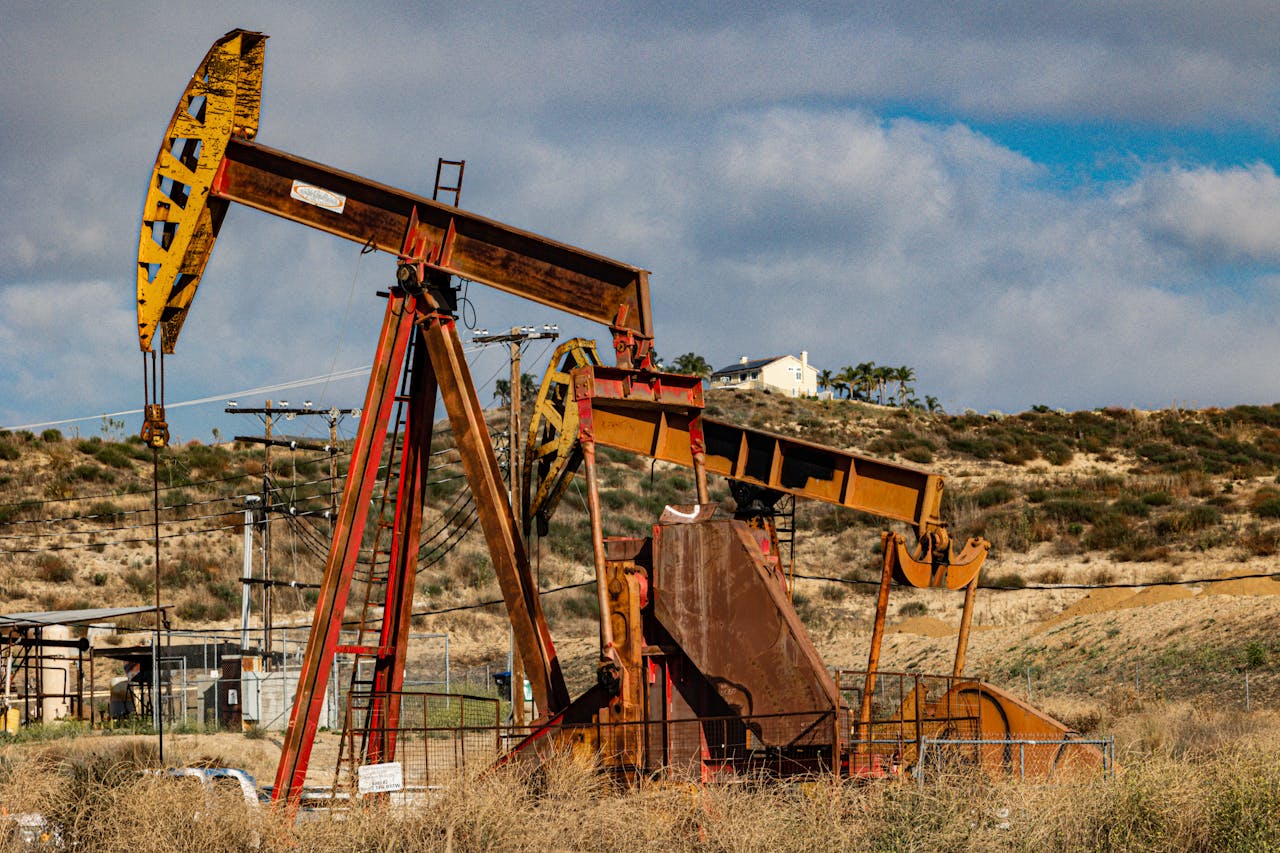
Global oil prices declined sharply in 2025, with Brent crude posting its longest stretch of annual losses on record as rising supply continued to outpace demand despite persistent geopolitical tensions. Brent crude futures fell more than 10% over the year and were down nearly 18% overall, marking their steepest annual percentage decline since 2018 and extending losses for a third consecutive year. The March Brent contract was trading around $61.27 per barrel, while U.S. West Texas Intermediate crude hovered near $57.90, heading toward a 15% yearly drop.
Oil markets began the year on a stronger footing after former U.S. President Joe Biden imposed tougher sanctions on Russia, disrupting energy supplies to major buyers such as China and India. Prices were further supported by escalating geopolitical events, including intensified fighting in Ukraine, drone attacks on Russian energy infrastructure, disruptions to Kazakhstan’s oil exports, and a brief but significant Iran-Israel conflict that threatened shipping through the Strait of Hormuz, one of the world’s most critical oil transit routes.
Additional uncertainty came from conflicts involving key producers. Saudi Arabia and the United Arab Emirates remained embroiled in tensions linked to Yemen, while U.S. President Donald Trump ordered a blockade on Venezuelan oil exports and warned of potential further strikes on Iran. These developments initially added a risk premium to oil prices.
However, market sentiment shifted as OPEC+ accelerated output increases, releasing nearly 2.9 million barrels per day into global markets since April. At the same time, concerns over higher U.S. tariffs and their impact on global economic growth weighed on fuel demand expectations. OPEC+ has since paused further output hikes for the first quarter of 2026, with its next meeting scheduled for January 4.
Looking ahead, most analysts expect oil supply to exceed demand in 2026. Estimates range from a surplus of nearly 4 million barrels per day by the International Energy Agency to about 2 million barrels per day projected by Goldman Sachs. Analysts suggest that if prices fall further into the low $50 range, OPEC+ may consider renewed production cuts, but if current price levels persist, producers could continue unwinding existing cuts.













