


 U.S. Markets Slip Amid Iran Conflict Uncertainty as Oil Prices Retreat
  Diesel Price Surge Threatens Global Economy Amid Middle East Conflict
  Oil Prices Surge Toward $100/Barrel After Tanker Attacks in Iraqi Waters
  Dollar Steadies as Traders Await Clarity on U.S.-Israel-Iran War
  U.S.-Israel War on Iran Sends Crude Oil Prices Surging Amid Strait of Hormuz Tensions
  China's Trade Surplus Surges Past Forecasts in Early 2026
  Trump Administration Launches Trade Investigations Against 16 Countries Over Industrial Overcapacity
  IEA Plans Record Emergency Oil Release Amid Iran Strait of Hormuz Crisis
  Dollar Strengthens Amid Oil Price Surge and Inflation Fears
  Gold Prices Climb Above $5,200 as Iran War Uncertainty and Inflation Data Loom
  Gold Prices Slip as U.S.-Israel-Iran War Fuels Dollar and Oil Demand
  Asian Markets Retreat as Oil Prices Surge Toward $100 Amid Middle East Tensions
  RBA Set for Back-to-Back Rate Hikes, Westpac Forecasts
  U.S. Futures Slide as Oil Prices Surge on Middle East Shipping Attacks
  Iran-U.S. Oil Tensions Escalate as Revolutionary Guards Threaten Strait of Hormuz Blockade
  IEA Releases Record 400 Million Barrels of Oil Amid U.S.-Iran War


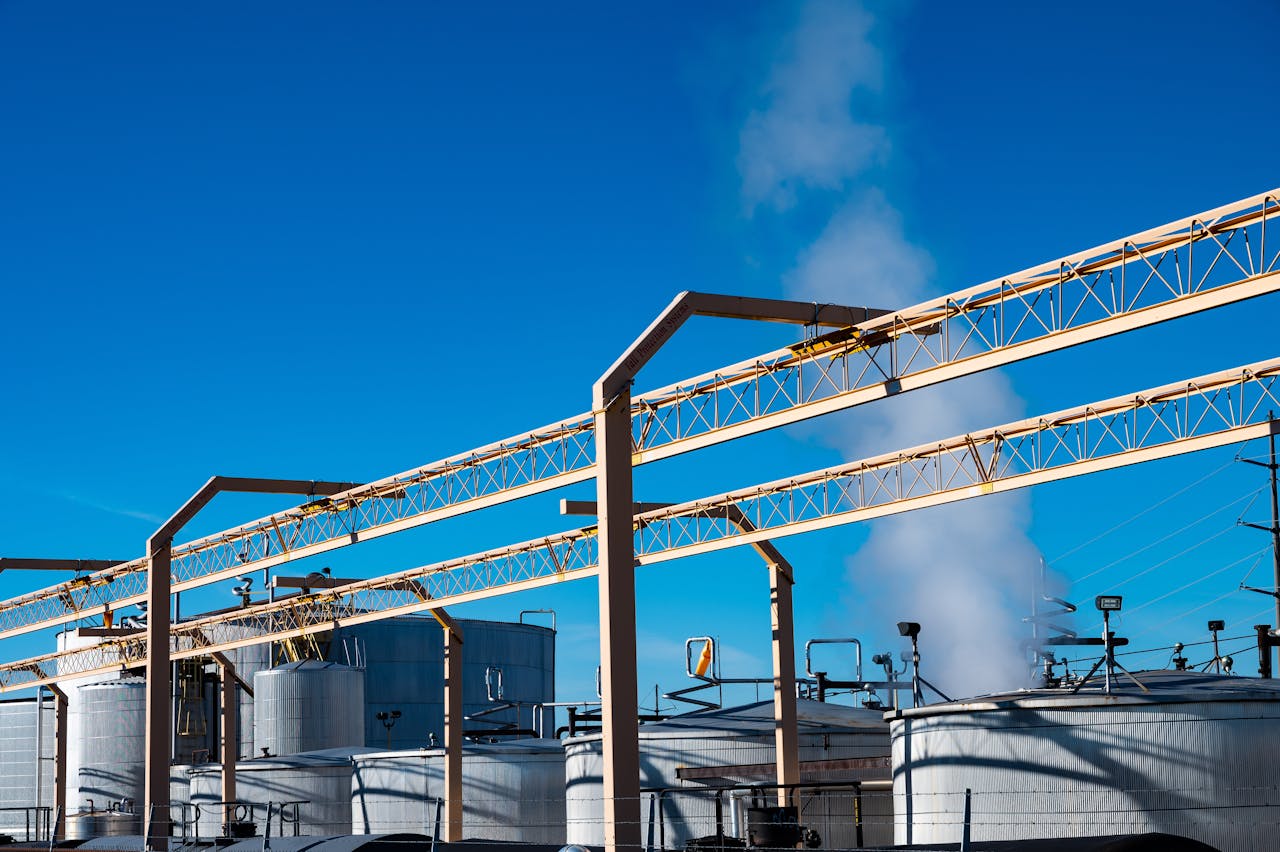
Oil prices edged lower during early Asian trading on Thursday, retreating slightly after a sharp 4% rally in the previous session. Investors are closely monitoring rising geopolitical tensions between the United States and Iran, while also weighing diplomatic efforts aimed at easing conflict in the strategically important oil-producing region.
Brent crude futures slipped 12 cents, or 0.2%, to $70.23 per barrel by 0110 GMT. U.S. West Texas Intermediate (WTI) crude fell 8 cents, or 0.1%, to $65.11 per barrel. Despite the minor pullback, both oil benchmarks closed more than 4% higher on Wednesday, marking their strongest settlement levels since January 30. The surge reflected growing concerns over potential oil supply disruptions linked to escalating U.S.-Iran tensions.
Market analysts note that while geopolitical risks remain elevated, traders are adopting a cautious stance. Hiroyuki Kikukawa, chief strategist at Nissan Securities Investment, said that although tensions between Washington and Tehran persist, investors generally believe a full-scale military conflict is unlikely. He added that any potential U.S. military response would likely involve limited, short-term air strikes rather than a prolonged confrontation. Additionally, U.S. President Donald Trump is widely seen as reluctant to allow a significant spike in crude oil prices.
Diplomatic discussions between U.S. and Iranian officials in Geneva reportedly made limited progress this week. The White House indicated that negotiations are ongoing, with Iran expected to present further details in the coming weeks. However, Iran issued a notice to airmen (NOTAM) announcing planned rocket launches in southern regions, while the U.S. has deployed warships near Iranian waters. Vice President JD Vance confirmed that Washington is evaluating whether to continue diplomatic engagement or pursue alternative measures.
Meanwhile, global energy markets are also tracking the ongoing Russia-Ukraine conflict, as peace talks concluded without significant progress. On the supply side, American Petroleum Institute data showed declines in U.S. crude, gasoline, and distillate inventories last week, contrary to expectations for a crude stock build. Traders now await official U.S. Energy Information Administration data for further direction in the volatile oil market.













