


 UK Consumer Confidence Weakens Amid Middle East Conflict and Rising Living Costs
  U.S. Stock Futures Steady as Iran Reviews U.S. Ceasefire Proposal
  Bank of Japan Officials Signal Continued Interest Rate Hikes Amid Inflation Concerns
  Iran-Israel Missile Strikes Continue Amid Mixed Signals on U.S.-Iran Diplomacy
  Currency Markets Show Caution Amid U.S.-Iran Negotiations
  Asian Markets Rally as Oil Prices Tumble and Middle East Peace Hopes Emerge
  Oil Prices Plunge Over 6% as Middle East Ceasefire Hopes Ease Supply Fears
  Gold Prices Surge on U.S.-Iran Ceasefire Reports
  Japan Eyes Oil Futures Intervention to Stabilize Yen Amid Middle East Crisis
  U.S. Futures Slide as Iran Denies Nuclear Talks with Washington
  Oil Prices Climb as Iran Reviews U.S. Peace Proposal Amid Middle East Tensions
  Bank of Japan Eyes April Rate Hike Despite Inflation Dip, ING Says
  Asian Currencies Weaken as Dollar Rebounds Amid Middle East Uncertainty and Japan Inflation Data
  Australia's Inflation Eases in February but Core Pressures Persist
  Federal Reserve Balance Sheet Reduction: Brookings Research Outlines Possible Path Forward


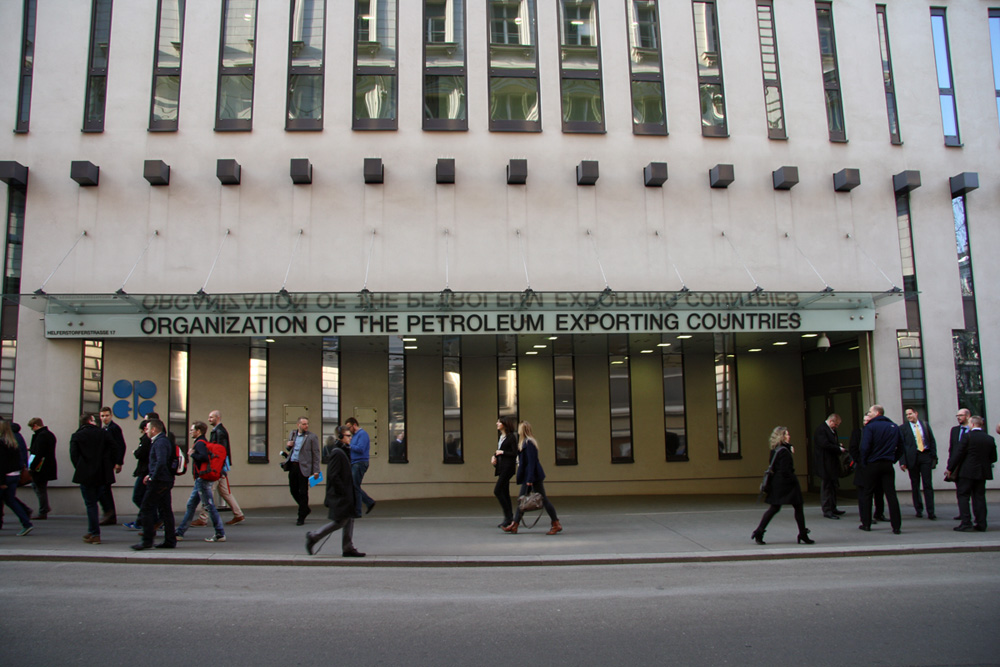
OPEC+ has agreed to increase oil production for a second consecutive month, raising output by 411,000 barrels per day in June, signaling continued efforts to unwind earlier cuts. The decision, made during a brief online meeting, comes despite Brent crude prices falling below $60 in April for the first time in four years and rising concerns over weaker global demand due to economic headwinds and U.S. trade tensions.
The producer alliance, led by Saudi Arabia and including Russia, stated that oil market fundamentals remain healthy and inventories are low. The June hike adds to the increases in April and May, bringing the total to 960,000 bpd—about 44% of the group’s previously agreed 2.2 million bpd cut. The phased unwinding began in April, with eight key OPEC+ members boosting supply by around 138,000 bpd monthly.
Saudi Arabia is reportedly pushing for faster output hikes to penalize Iraq and Kazakhstan over poor compliance with quotas. Kazakhstan, notably, exceeded its April quota and has openly prioritized national interests over group targets. Russia has also fallen slightly short of its commitments.
The latest decision follows pressure from U.S. President Joe Biden to raise production, with his visit to Saudi Arabia scheduled later this month. Analysts, including UBS’s Giovanni Staunovo, expect oil prices to fall further on Monday due to the increased supply and ongoing economic concerns.
Despite the production hikes, OPEC+ is still cutting nearly 5 million bpd in total, with many of those curbs extending through 2026. A full ministerial meeting is scheduled for May 28 to reassess output strategy amid shifting market dynamics and compliance challenges.













