


 U.S. Stock Futures Fall as Iran, Oil and AI Risks Rattle Markets
  Japan Factory Output Unexpectedly Falls 1.7% in August
  Gold Plunges 4% as Treasury Yields Surge and Fed Rate Hike Bets Rise
  BOJ Set for 25-Basis-Point Rate Hike as Yen Weakness Fuels Inflation
  RBA Says ASX Still Falls Short on Governance and Risk Controls
  Global Central Banks Brace for More Rate Hikes as Inflation Risks Rise
  BlackRock’s Rick Rieder Favors Bonds Over Stocks as Treasury Yields Surge
  US Dollar Hits Two-Month High as Aussie, Pound Slide
  Asian Stocks Fall as Bond Yields and Oil Prices Surge
  Asian Chip Stocks Tumble as OpenAI Safety Pause Sparks AI Growth Concerns
  Oil Prices Slide as Middle East Flows Recover
  Fed’s Hammack Says Bond Yield Surge Is Not Driven by Inflation Fears
  Australia Budget Deficit Narrows to A$22.3 Billion on Stronger Tax Revenue
  Asian Stocks Fall as Oil Surge, Bond Yields and AI Concerns Hit Markets


 Add as a preferred source on Google
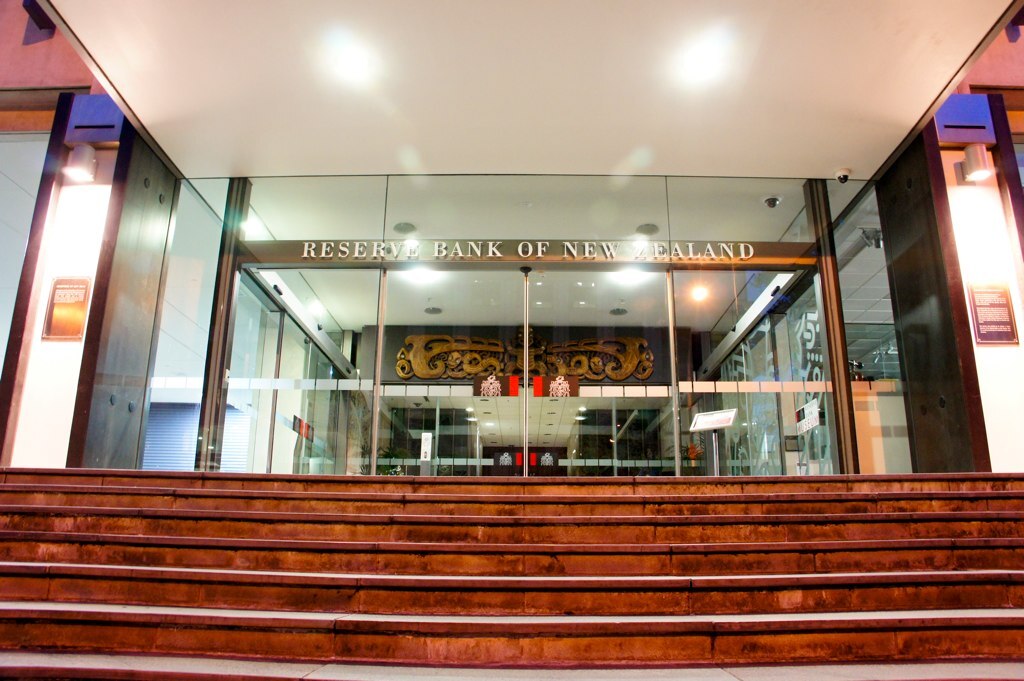
Anna Breman begins her tenure as the new Governor of the Reserve Bank of New Zealand on Monday, stepping into a role marked by years of controversy, steep economic challenges, and strained political relationships. As the first woman and the first foreigner to lead the RBNZ in its modern era, Breman is expected to bring a fresh perspective and a greater sense of stability after a period many critics describe as turbulent.
Breman replaces former governor Adrian Orr, whose departure followed a highly public dispute with the government over proposed funding cuts. His aggressive cycle of interest rate hikes—followed by what many analysts viewed as a delayed shift toward monetary easing—has been blamed for prolonging New Zealand’s economic downturn. Orr’s confrontational style, especially in clashes with Finance Minister Nicola Willis, further complicated the central bank’s public standing and internal operations.
Breman, previously deputy governor of Sweden’s central bank, has already emphasized her commitment to keeping inflation in check while restoring trust in the RBNZ. Upon her appointment in September, she highlighted a “laser focus” on price stability and pledged to engage closely with New Zealand’s diverse communities and businesses. Former RBNZ governor Alan Bollard noted that rebuilding ties with Willis and Treasury officials will be essential as Breman adapts to the country’s policy environment.
The central bank’s recent cut of the official cash rate to 2.25%—its lowest level in three years—offers Breman some breathing room. With no policy meeting scheduled until February 18, economists say she now has space to evaluate whether the economy is gaining enough momentum. Analysts such as ASB Bank’s Nick Tuffley and Citi’s Faraz Syed expect some market volatility as investors gauge her leadership style.
Beyond monetary policy, Breman faces major structural challenges, including an ongoing review of bank capital requirements, the formation of a new financial policy committee, staff reductions of nearly 20%, and issues surrounding the bank’s asbestos-affected Wellington headquarters.
Former governor Don Brash expressed optimism that Breman represents a necessary “clean break from the past,” adding that he expects her to restore efficiency and rebuild the RBNZ team for the years ahead.







