


 Trump Reports $1.4 Billion in Crypto Income as Digital Assets Become Top Wealth Source
  US Seizes Nearly 400 Illegal World Cup Streaming Domains in Global Anti-Piracy Crackdown
  US Waives Iran Sanctions for 60 Days as Peace Talks Advance and Lebanon Sees Calm
  Trump Suspends Some Morocco Fertilizer Tariffs to Ease U.S. Supply Shortage
  China Expands Export Controls, Adds 20 Japanese Companies to Restricted List
  Italy Investigates Microsoft Over Microsoft 365 AI Subscription Price Hike
  U.S. Launches Trade Investigation Into Germany’s Pharmaceutical Cost-Cutting Plans
  Trump Urges Gasoline Retailers to Cut Prices to $2.50 Per Gallon, Warns of Legal Action
  Trump Signs Memorandum Backing Americans’ Right to Repair Their Own Vehicles
  Trump Orders DOJ Investigation Into Exxon, Chevron Over High Gas Prices
  Johns Hopkins University Lays Off 110 Employees as Federal Research Funding Declines
  DOE Declares Power Grid Emergency as Extreme Heat Strains PJM Electricity Supply
  Maria Corina Machado Vows Return to Venezuela After Earthquakes Despite Obstacles
  Trump Prioritizes Iran Diplomacy Over Military Action as Nuclear Talks Continue
  Israeli Airstrike Kills Three in Central Gaza Despite Ceasefire
  US Envoy Urges Taiwan to Build ‘Hornet’s Nest’ Drone Defense Against China
  Democratic Socialist Melat Kiros Unseats Rep. Diana DeGette in Colorado Democratic Primary


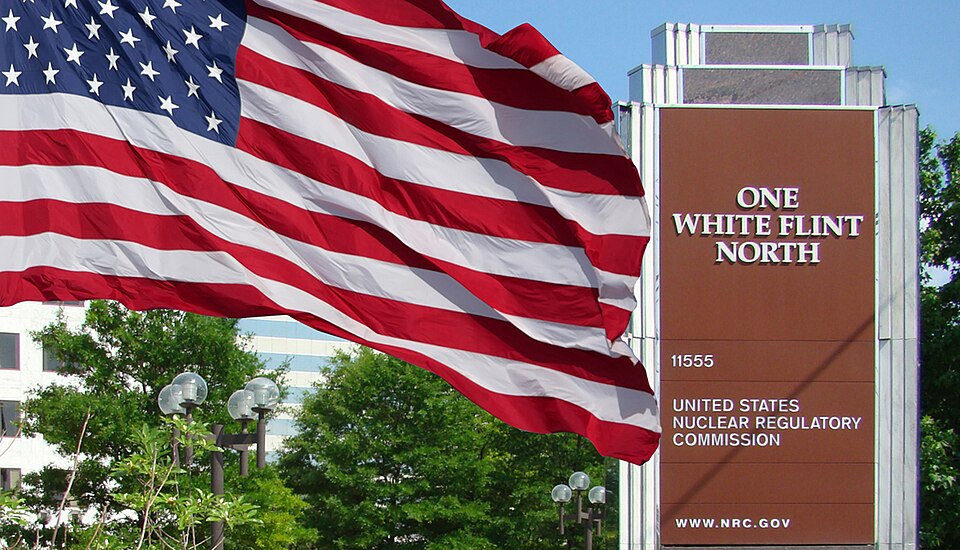
The U.S. Nuclear Regulatory Commission (NRC) on Wednesday unveiled a proposal to revise long-standing radiation protection rules, a move that aligns with the Trump administration’s broader strategy to accelerate nuclear energy development, streamline regulations, and lower operating costs for the industry.
The proposed rule would replace the existing radiation protection principle known as As Low as Reasonably Achievable (ALARA) with a system based on objective radiation dose limits. The NRC said the changes are designed to improve regulatory clarity while maintaining strong safety standards for workers and the public.
For years, the nuclear industry has argued that the ALARA framework is closely tied to the Linear No-Threshold (LNT) model, which assumes that any level of radiation exposure carries some risk of causing cancer. Industry representatives have maintained that complying with ALARA often requires costly and time-consuming procedures that may not provide meaningful additional safety benefits.
Speaking to reporters, NRC Chairman Ho Nieh emphasized that the proposal is intended to simplify regulations rather than weaken them.
“This rulemaking is raising the bar on clarity in our regulations,” Nieh said, adding that the agency is “not lowering the bar on our safety standards.”
Under the proposal, radiation management would follow a more risk-based and graded approach, taking into account operational conditions and the level of potential exposure. The revised framework would also allow nuclear power plant operators to adopt modern techniques and technologies for assessing radiation doses affecting plant workers and nearby communities.
Supporters of the proposal argue that modernizing radiation regulations could reduce administrative burdens, improve operational efficiency, and make it easier to develop new nuclear projects while maintaining public health protections.
The proposed rule represents another milestone in President Donald Trump’s effort to revitalize the U.S. nuclear energy sector. Earlier in 2025, Trump signed executive orders aimed at accelerating reactor licensing, reforming the NRC, and expanding domestic nuclear power production.
Those executive actions also instructed the Departments of Energy and Defense to coordinate the construction of nuclear reactors on federal land, part of a broader strategy to strengthen U.S. energy security and increase electricity generation.
The administration has set an ambitious goal of quadrupling U.S. nuclear power capacity by 2050. Officials argue that expanding nuclear generation will be essential to meeting rapidly growing electricity demand driven by artificial intelligence data centers, electric vehicles, cryptocurrency mining, and other energy-intensive technologies.
If adopted, the NRC’s proposed changes could significantly reshape radiation safety regulations while supporting faster deployment of advanced nuclear reactors across the United States, reinforcing nuclear energy’s role in the nation’s long-term clean energy and economic strategy.







