


 Trump Hints at Possible U.S. Takeover of Cuba Amid Deepening Humanitarian Crisis
  Gold Prices Climb Above $5,200 as Iran War Uncertainty and Inflation Data Loom
  Iran Mines Strait of Hormuz: Crude Oil Prices Surge Amid Middle East Tensions
  Oil Prices Surge Toward $100/Barrel After Tanker Attacks in Iraqi Waters
  Boeing Secures $289 Million Smart Bomb Contract With Israel
  Russian Drone Strikes Hit Kharkiv and Dnipro, Injuring Over 20 Civilians
  U.S.-Israel War on Iran Sends Crude Oil Prices Surging Amid Strait of Hormuz Tensions
  Asian Stock Markets Rise as Oil Prices Pull Back; U.S. CPI in Focus
  Mexico's Electoral Reform Bill Fails in Congress as Coalition Fractures
  Dollar Strengthens Amid Oil Price Surge and Inflation Fears
  Dollar Steadies as Traders Await Clarity on U.S.-Israel-Iran War
  Taiwan's MQ-9B SkyGuardian Drone Order Stays on Schedule Despite Middle East Conflict
  U.S. and Russia Hold Diplomatic Talks in Florida Amid Ongoing Tensions
  U.S. Senate Greenlights AI Chatbots for Official Staff Use
  Chinese AI Stocks Surge as Tencent, MiniMax, and Zhipu Launch Agentic AI Programs
  Iran-Israel War Sparks Global Oil Crisis as Tankers Burn in Gulf Waters
  Shots Fired at U.S. Consulate in Toronto in Suspected National Security Incident


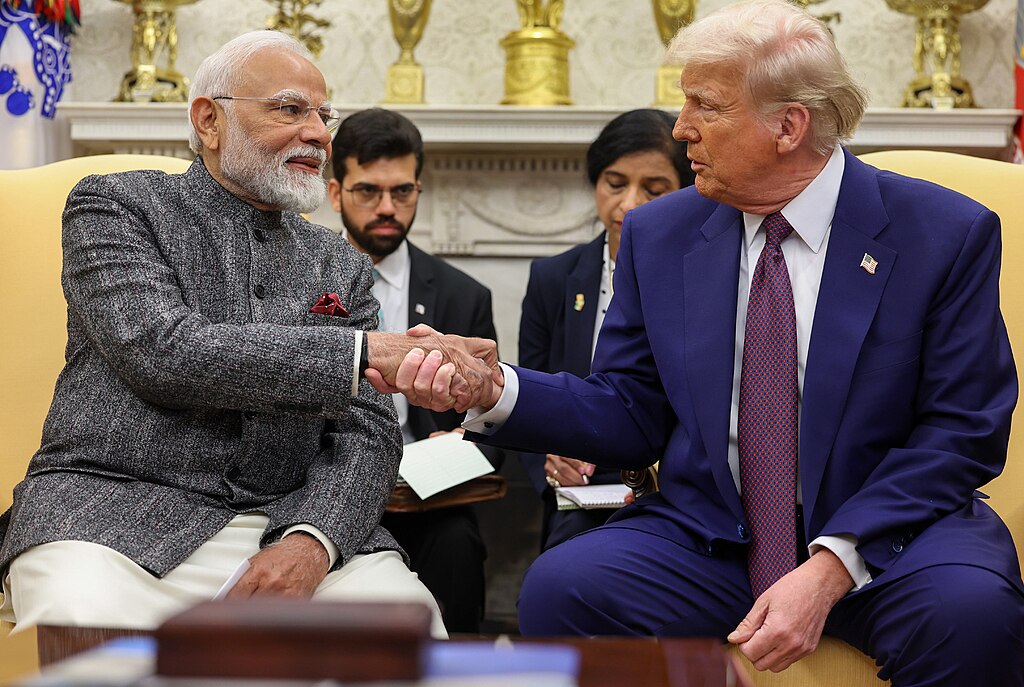
Indian Prime Minister Narendra Modi said he held a phone conversation with U.S. President Donald Trump on Thursday, as New Delhi intensifies efforts to secure relief from steep U.S. tariffs imposed on key Indian exports. The tariffs, which reach as high as 50%, were introduced by Washington to pressure India over its continued purchases of Russian oil amid the Ukraine war.
In a post on X, Modi said the two leaders reviewed progress in India-U.S. bilateral relations and discussed regional and global developments. He described the conversation as “warm and engaging,” adding that both countries would continue working together to promote global peace, stability, and prosperity. A White House official confirmed the call took place but did not provide details on the discussion.
The phone call marked the third conversation between Modi and Trump since the U.S. sharply increased tariffs on Indian goods, affecting exports such as textiles, chemicals, and food products including shrimp. The tariff hike has weighed on trade flows, with Indian exports to the U.S. falling nearly 9% year-on-year in October to $6.31 billion, according to Indian government data.
Trade negotiations between India and the United States stalled in late July after New Delhi resisted opening its agricultural market to U.S. farm products and declined to publicly acknowledge Trump’s role in mediating a previous India-Pakistan conflict. Despite the impasse, talks have continued in recent weeks. U.S. Deputy Trade Representative Rick Switzer concluded a two-day visit to New Delhi this week, holding meetings with Indian officials focused on resolving tariff disputes, although the U.S. Trade Representative’s office declined to comment.
There are signs of movement, as Indian refiners reportedly reduce purchases of Russian crude following new U.S. sanctions on energy giants Rosneft and Lukoil. Meanwhile, Russian President Vladimir Putin, who visited New Delhi last week, pledged uninterrupted fuel supplies and openly challenged U.S. pressure on India.
While U.S. officials say it remains unclear whether a trade deal can be finalized before year-end, analysts believe an agreement is likely given India’s strategic importance to the global economy. Washington continues to push for lower Indian tariffs, reduced non-tariff barriers, and broader access for U.S. agricultural exports such as soybeans and grain sorghum.













