


 Oil Prices Slip as U.S.-Iran Peace Talks and Strait of Hormuz Risks Keep Markets on Edge
  Central Banks Eye Gold, Reduce Dollar Exposure as AI Adoption Accelerates: OMFIF Survey
  Oil Prices Rise as US-Iran Tensions Threaten Strait of Hormuz Oil Shipments
  Argentina Economy Shrinks 1.5% in April, Recovery Under Milei Loses Momentum
  Canada Grants C$7 Million to Greenland Molybdenum Mine to Strengthen Critical Minerals Supply
  Yen Falls to 40-Year Low as Markets Watch Japan Intervention and U.S. Jobs Report
  Trump Questions Housing Bill as He Prioritizes SAVE America Act
  Economic pessimism has set in – but there are reasons for Australians to be hopeful
  Trump Urges Gasoline Retailers to Cut Prices to $2.50 Per Gallon, Warns of Legal Action
  China Sets 1.25% Overnight Reverse Repo Rate Below Market Expectations
  China Factory PMI Seen Returning to Growth in June as AI Export Demand Supports Economy
  Japan Targets 1%+ Real Economic Growth With ¥370 Trillion Investment Plan
  Gold Prices Drop as Fed Rate Outlook and Iran Tensions Weigh on Market
  Trump Suspends Some Morocco Fertilizer Tariffs to Ease U.S. Supply Shortage
  Asian Currencies Stay Range-Bound as Investors Eye China Data, RBNZ Outlook and U.S.-Iran Ceasefire
  Gold Price Falls as Fed Rate Hike Fears and U.S.-Iran Tensions Weigh on Bullion
  Gold Price Ends Lower for Fourth Week Despite Rebound as Fed Rate Hike Bets Strengthen


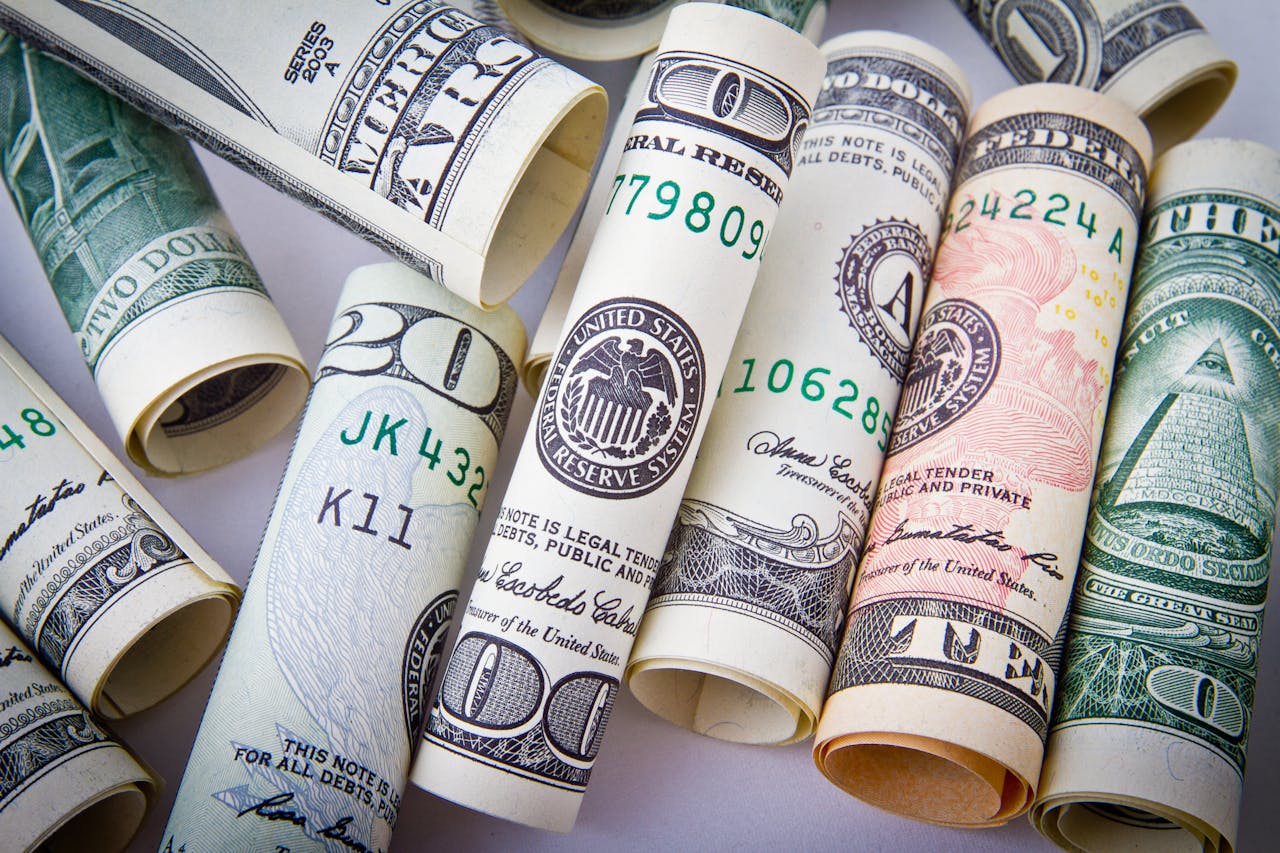
The U.S. dollar maintained its strong position on Monday, heading toward its best monthly performance since July, as escalating Middle East tensions continued to unsettle global financial markets. Investors fleeing to safe-haven assets pushed the Japanese yen past the psychologically significant 160-per-dollar mark, raising fresh concerns about potential currency intervention by Japanese authorities.
The ongoing conflict, which erupted following U.S. and Israeli strikes on Iran on February 28, has since expanded across the region. The closure of the Strait of Hormuz — a critical passage responsible for roughly one-fifth of global oil and gas shipments — has sent Brent crude prices surging toward their largest monthly gain in months while simultaneously disrupting global interest rate outlooks. The recent involvement of Yemen's Houthi forces further deepened market unease.
Diplomatic efforts remain fragile. While Pakistan announced plans to facilitate peace negotiations, Iran signaled its readiness to retaliate if a U.S. ground operation materializes. This uncertainty has kept traders firmly in risk-off mode. Chris Weston of Pepperstone noted how rapidly market sentiment shifted, with a ground offensive in Iran transitioning from a fringe scenario to a credible threat within just two weeks.
Currency markets have broadly reflected this defensive stance. The euro slipped to $1.1512, set for a 2.5% monthly loss — its steepest decline since July. The British pound hovered near $1.32585, down approximately 1.7% for March. Meanwhile, the dollar index held at 100.14 in early trading.
The yen recovered slightly to 159.97 after briefly touching 160.47, its weakest point since July 2024. Japan's top currency official warned of decisive intervention if volatility continues, while the Bank of Japan Governor emphasized close monitoring of exchange rate movements. Commodity-linked currencies also struggled, with the Australian dollar falling 3.8% and the New Zealand dollar dropping 4.4% in March.







