


 Fast Retailing Raises Full-Year Forecast After Uniqlo Owner Beats Q3 Profit Estimates
  Stellantis Q2 Vehicle Shipments Rise 10% as North America Drives Growth
  Morgan Stanley Names Marks & Spencer Top European Retail Pick, Sees Strong Upside
  Muji Owner Ryohin Keikaku Stock Soars After Raising Full-Year Earnings Forecast
  Kitron Q2 Revenue Beats Estimates as Defense Demand Lifts Growth
  Apple Sues OpenAI, Former Employees Over Alleged Trade Secret Theft
  Nvidia Tightens AI Chip Sales in Asia With Stricter Customer Approval Process
  AstraZeneca Shares Sink After Wainua Trial Misses Key Heart Disease Goal
  Goldman AM Sees Strong Buyout Opportunities in Japan, South Korea and Australia
  DOJ Grand Jury Investigates UAW President Shawn Fain Ahead of Union Election
  Yaskawa Electric Shares Slide as Weak Profit Overshadows Strong AI Demand
  Oppenheimer Sees CNH Industrial as Top 2026 Agriculture Stock Pick on Dealer Consolidation Strategy
  Deutsche Bank Fined A$2 Million by ASIC Over OTC Derivatives Reporting Errors
  UBS Starts CarTrade Tech With Buy Rating, Sees Strong Earnings Growth and ₹4,000 Target
  Samsung to Launch First Yongin Chip Plant by 2029 as South Korea Speeds Up Semiconductor Hub
  Nippon Paint Reportedly Offers Up to €7.5 Billion for Akzo Nobel Decorative Paints Business
  SK Hynix Soars 13% in Nasdaq Debut After Record $26.5 Billion IPO


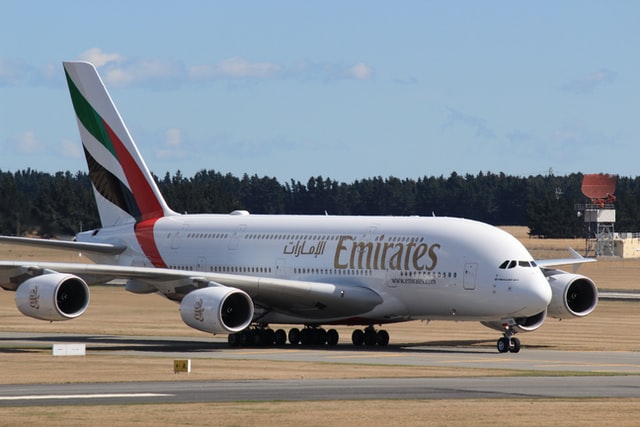
Airlines across the Middle East suspended flights after U.S. and Israeli strikes on Iran triggered widespread airspace closures, severely disrupting global travel. Major aviation hubs including Dubai, Abu Dhabi, Doha, and Tel Aviv faced cancellations, delays, and diversions as tensions escalated and Iran launched retaliatory missile attacks.
Dubai Airports halted operations at both Dubai International Airport and Al Maktoum International Airport until further notice, urging passengers not to travel. Emirates and flydubai temporarily stopped flights, while Etihad Airways suspended departures from Abu Dhabi until 1000 GMT Sunday. Airspace over Iran, Iraq, Kuwait, Israel, and Bahrain was left nearly empty, according to flight tracking data, as airlines scrambled to reroute aircraft.
The impact quickly spread beyond the region. Travelers across Europe were stranded after connecting flights through Doha and Dubai were cancelled. At Paris Charles de Gaulle Airport, passengers bound for Asia were forced to rearrange their plans, while Doha’s Hamad International Airport saw reduced activity with travelers seeking hotel accommodations.
Preliminary data from Cirium revealed that around 24% of flights to the Middle East were cancelled, including nearly half of all scheduled flights to Qatar and Israel and 28% of flights to Kuwait. Aviation experts warn that Middle East airspace closures could remain in place for an extended period, creating logistical challenges for airlines managing stranded aircraft, crews, and passengers worldwide.
European aviation regulator EASA advised carriers to avoid affected airspace. British Airways, Lufthansa, Air France, Iberia, Wizz Air, Cathay Pacific, Qatar Airways, Kuwait Airways, Turkish Airlines, Air India, and others announced suspensions or route adjustments. Virgin Atlantic confirmed it would avoid Iraqi airspace, leading to further rerouting.
The disruption comes as Middle Eastern air routes have grown increasingly important following the Russia-Ukraine conflict. Prolonged instability now threatens global flight operations, increases fuel costs, and raises aviation safety concerns, potentially affecting international travel and airline schedules for weeks.







