


 Bipartisan Housing Bill Advances in Senate, Aims to Tackle U.S. Affordability Crisis
  Taiwan's MQ-9B SkyGuardian Drone Order Stays on Schedule Despite Middle East Conflict
  Trump Hints at Possible U.S. Takeover of Cuba Amid Deepening Humanitarian Crisis
  UK Housing Market Slows Amid Geopolitical Tensions and Mortgage Rate Fears
  Shots Fired at U.S. Consulate in Toronto in Suspected National Security Incident
  U.S. Futures Slide as Oil Prices Surge on Middle East Shipping Attacks
  Iran-U.S. Oil Tensions Escalate as Revolutionary Guards Threaten Strait of Hormuz Blockade
  Gold Prices Slip as U.S.-Israel-Iran War Fuels Dollar and Oil Demand
  Trump Administration Launches Trade Investigations Against 16 Countries Over Industrial Overcapacity
  U.S. Calls for Reassessment of International Aid to Taliban-Ruled Afghanistan
  RBA Rate Decision: Deputy Governor Signals Genuine Debate Ahead of March Meeting
  Pentagon Taps Wall Street Talent to Manage $200 Billion Defense Investment Fund
  Israel-Iran War: Herzog Urges Patience as U.S. and Israeli Strikes Intensify
  IEA Releases Record 400 Million Barrels of Oil Amid U.S.-Iran War
  Oil Prices Surge Toward $100/Barrel After Tanker Attacks in Iraqi Waters
  Gold Prices Climb Above $5,200 as Iran War Uncertainty and Inflation Data Loom
  U.S.-Israel War on Iran Sends Crude Oil Prices Surging Amid Strait of Hormuz Tensions


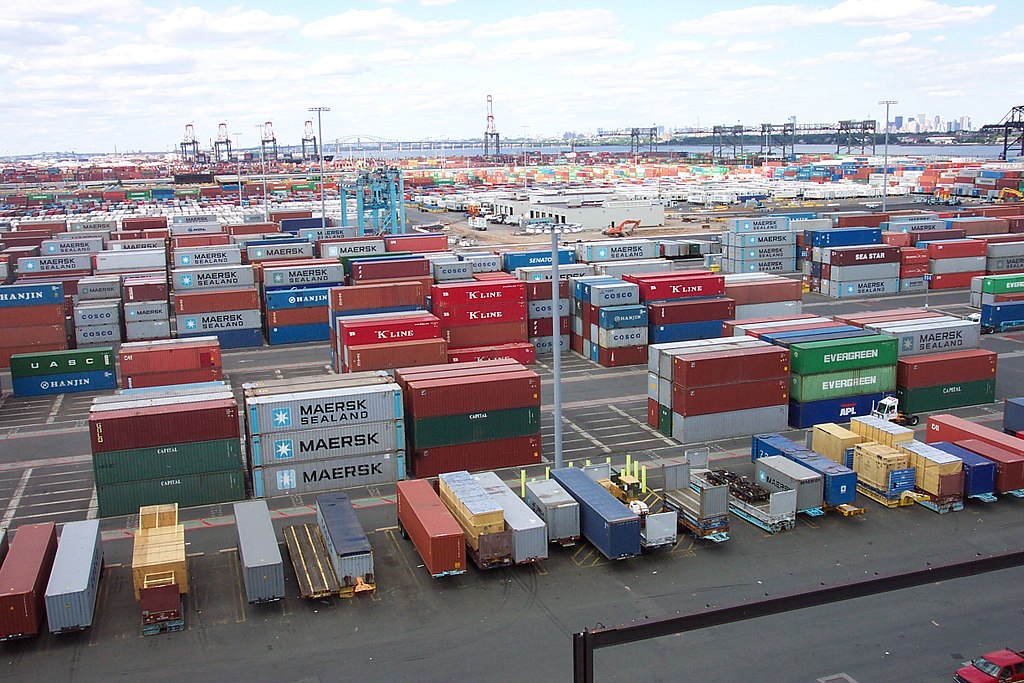
Mexico has taken a decisive step to strengthen its domestic manufacturing sector by approving significant tariff hikes on a wide range of imports from China and several other Asian countries. The Senate passed the measure on Wednesday, following earlier approval from the lower house, setting the stage for tariff increases of up to 50% beginning next year. By 2026, most new or adjusted duties—often reaching around 35%—will apply to key goods such as automobiles, auto parts, textiles, clothing, plastics and steel. These hikes specifically target countries that do not have existing trade agreements with Mexico, including China, India, South Korea, Thailand and Indonesia.
The primary goal behind these tariff increases is to provide stronger protection and competitiveness for Mexican industries that have long felt pressure from low-cost imports. Government officials argue that higher tariffs will support local producers, stimulate job creation and reduce dependency on foreign supply chains, particularly in sectors considered vital to the country's economic stability. This move also aligns with Mexico’s broader strategy to strengthen regional manufacturing capabilities amid shifting global trade dynamics.
However, the decision has sparked criticism from business groups and affected governments. Industry associations warn that the tariff hikes could raise production costs, disrupt supply chains and ultimately lead to higher prices for consumers. Critics also argue that the move may strain Mexico’s trade relationships with major Asian economies and could deter future investment. Despite these concerns, the government maintains that the long-term benefits outweigh the risks, emphasizing the need to prioritize national economic resilience.
As global trade shifts rapidly and competition intensifies, Mexico’s tariff strategy marks a pivotal moment for the country’s industrial policy. While challenges and debates are expected to continue, the approved measures signal Mexico’s determination to reposition its economic landscape and protect local industries in an increasingly competitive international market.













