


 Yaskawa Electric Shares Slide as Weak Profit Overshadows Strong AI Demand
  Mastercard Explores Sale of Majority Stake in UK Payments Firm Vocalink: Report
  Fast Retailing Raises Full-Year Forecast After Uniqlo Owner Beats Q3 Profit Estimates
  Samsung to Launch First Yongin Chip Plant by 2029 as South Korea Speeds Up Semiconductor Hub
  Goldman AM Sees Strong Buyout Opportunities in Japan, South Korea and Australia
  SK Hynix Prices Record U.S. ADR Offering at $149 After $200 Billion Investor Demand
  OpenAI Executive Fidji Simo to Step Down Amid Health Challenges Ahead of IPO
  Paramount-Warner Bros. Discovery Merger Faces Lawsuit From 12 States
  Samsung Chairman Lee Jae-yong Expected to Meet Nvidia CEO Jensen Huang on AI and Chip Partnership
  Genesis Minerals to Acquire Vault in A$5.6 Billion Deal After Regis Withdraws
  DOJ Grand Jury Investigates UAW President Shawn Fain Ahead of Union Election
  AstraZeneca Shares Sink After Wainua Trial Misses Key Heart Disease Goal
  TSMC Q2 Revenue Surges 36% as AI Chip Demand Powers Growth Ahead of Earnings
  Stellantis Q2 Vehicle Shipments Rise 10% as North America Drives Growth
  Deutsche Bank Fined A$2 Million by ASIC Over OTC Derivatives Reporting Errors
  Morgan Stanley Says China’s Reusable Rocket Progress Poses Long-Term Challenge to SpaceX
  SK Hynix Soars 13% in Nasdaq Debut After Record $26.5 Billion IPO


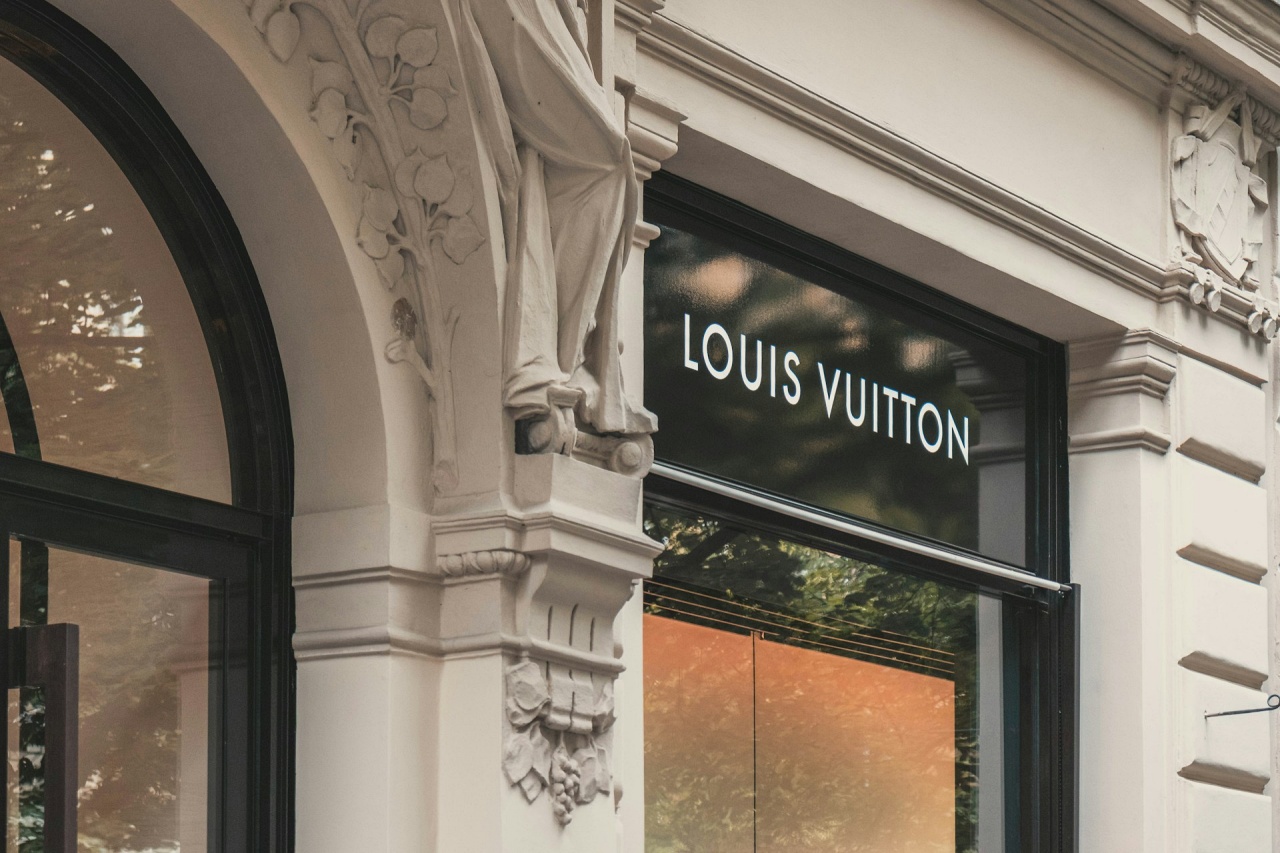
Luxury stocks are experiencing heightened volatility as major players like LVMH and Gucci-owner Kering attempt to recover from a two-year slowdown in global demand. After a strong post-pandemic boom, sales of high-end handbags, designer clothing, and luxury accessories have weakened at leading brands including Dior and Gucci, leaving investors closely watching for signs of a sustained recovery in the luxury sector.
Market uncertainty has intensified due to sharp swings in share prices, fueled by hedge fund activity and broader AI-driven turbulence in the U.S. stock market. LVMH, the world’s largest luxury group with a market capitalization of around 260 billion euros, recently posted its steepest one-day stock decline since 2020 after CEO Bernard Arnault delivered cautious guidance about the year ahead. The reaction contrasted sharply with October’s update, when LVMH shares surged 12% in their strongest daily performance in over two decades.
Hedge funds have significantly increased short positions in luxury stocks and the wider consumer discretionary sector. High levels of short selling can amplify price movements, especially when earnings results surprise the market. Kering shares, for example, jumped 11% after fourth-quarter revenue fell slightly less than expected and new CEO Luca de Meo highlighted early signs of recovery.
Luxury brands remain closely tied to the performance of the U.S. stock market, as affluent consumers often rely on equity investments for wealth. Executives warn that a potential AI bubble correction could dampen spending on premium fashion and luxury goods. While short-term traders capitalize on volatility, long-term investors are focusing on company fundamentals and brand strength. Valuation gaps are also emerging, with Hermès trading at significantly higher forward earnings multiples than LVMH, reflecting differing growth expectations in the evolving global luxury market.







