


 Iran Mines Strait of Hormuz: Crude Oil Prices Surge Amid Middle East Tensions
  Anthropic Sues Pentagon Over AI Blacklist, Citing Free Speech Violations
  Trump Administration Launches Trade Investigations Against 16 Countries Over Industrial Overcapacity
  Russian Drone Strikes Hit Kharkiv and Dnipro, Injuring Over 20 Civilians
  Bipartisan Housing Bill Advances in Senate, Aims to Tackle U.S. Affordability Crisis
  FBI Warns of Possible Iranian Drone Attacks on California Amid U.S.-Iran War
  Taiwan's MQ-9B SkyGuardian Drone Order Stays on Schedule Despite Middle East Conflict
  Boeing Secures $289 Million Smart Bomb Contract With Israel
  Trump Doubts Iran Mining Reports as Strait of Hormuz Tensions Escalate
  U.S. Calls for Reassessment of International Aid to Taliban-Ruled Afghanistan
  Venezuela Names Paula Henao as New Oil Minister Amid U.S.-Led Industry Overhaul
  Iran's Government Remains Stable Despite U.S. and Israeli Strikes, Intelligence Shows
  Mexico's Electoral Reform Bill Fails in Congress as Coalition Fractures
  Japan's BOJ Independence Under Fire as PM Takaichi's Rate Stance Draws Political Heat
  Israel-Iran War: Herzog Urges Patience as U.S. and Israeli Strikes Intensify
  U.S. Senate Greenlights AI Chatbots for Official Staff Use
  U.S.-Israel War on Iran Sends Crude Oil Prices Surging Amid Strait of Hormuz Tensions


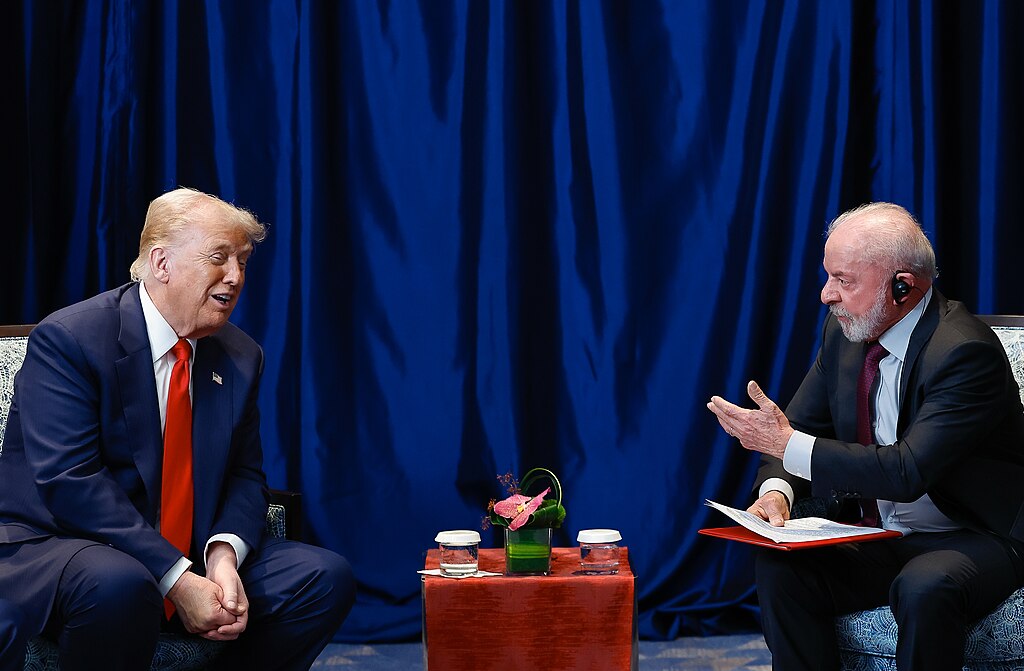
Brazilian President Luiz Inacio Lula da Silva has strongly warned that any armed intervention in Venezuela would result in a humanitarian catastrophe, amid rising tensions driven by escalating actions from the United States. Speaking on Saturday during a Mercosur summit held in Foz do Iguaçu, southern Brazil, Lula criticized what he described as a dangerous precedent for the global community, emphasizing the severe consequences military involvement would have for the South American region.
The comments followed a controversial decision earlier in the week by U.S. President Donald Trump, who ordered a “blockade” of all sanctioned oil tankers entering and leaving Venezuela. The move represents Washington’s latest effort to intensify economic pressure on the government of Venezuelan President Nicolas Maduro by targeting the country’s primary source of revenue, its oil exports. The policy has raised concerns across Latin America about the potential for further escalation and regional instability.
Lula, alongside Mexican President Claudia Sheinbaum, had already urged restraint as tensions increased. However, Lula’s remarks on Saturday marked a firmer stance, as he drew historical parallels to the Falklands War between Argentina and Britain more than four decades ago. He warned that South America is once again facing the threat of military involvement by an extra-regional power, a scenario he said could undermine regional sovereignty and peace.
Following the Mercosur summit, Latin American leaders released a joint statement reaffirming their commitment to democratic principles and human rights in Venezuela, stressing that these goals must be pursued through peaceful and diplomatic means. The declaration was endorsed by the presidents of Argentina, Paraguay, and Panama, as well as senior officials from Bolivia, Ecuador, and Peru, signaling broad regional consensus against military intervention.
The statement and Lula’s remarks reflect growing concern among Latin American governments that aggressive foreign policies toward Venezuela could destabilize the region and worsen the humanitarian situation. As U.S.-Venezuela tensions continue to dominate international headlines, regional leaders are increasingly calling for dialogue, diplomacy, and respect for international norms to prevent conflict and protect civilian populations.













