


 The world’s biggest trees could hold the secret to coping with drought
  Global Markets Brace for Fed Rate Hike as Oil Tops $91
  Shein Shares Slide 9% in Hong Kong IPO Debut
  Honda Targets $9.4 Billion in Cost Cuts as China EV Competition Intensifies
  Dollar Hits Two-Week High as Iran Conflict Lifts Oil and Bond Yields
  South Korea Unveils Record $597 Billion 2027 Budget to Boost AI and Chips
  US Tech Giants’ AI Bond Boom Raises Euro Zone Borrowing Risks
  Shein Shares Drop 5% After Weak Hong Kong IPO Debut
  Parasites are ecological dark matter – and they need protecting
  How is Antarctica melting, exactly? Crucial details are beginning to come into focus
  Rise of the Zombie Bugs takes readers on a jaw-dropping tour of the parasite world
  Star Entertainment Shares Fall After A$307 Million FY2026 Loss
  Australia GDP Beats Forecast, Boosting RBA Rate Hike Bets
  Fungi are among the planet’s most important organisms — yet they continue to be overlooked in conservation strategies
  Ukraine minerals deal: the idea that natural resource extraction can build peace has been around for decades
  Lake beds are rich environmental records — studying them reveals much about a place’s history


 Add as a preferred source on Google
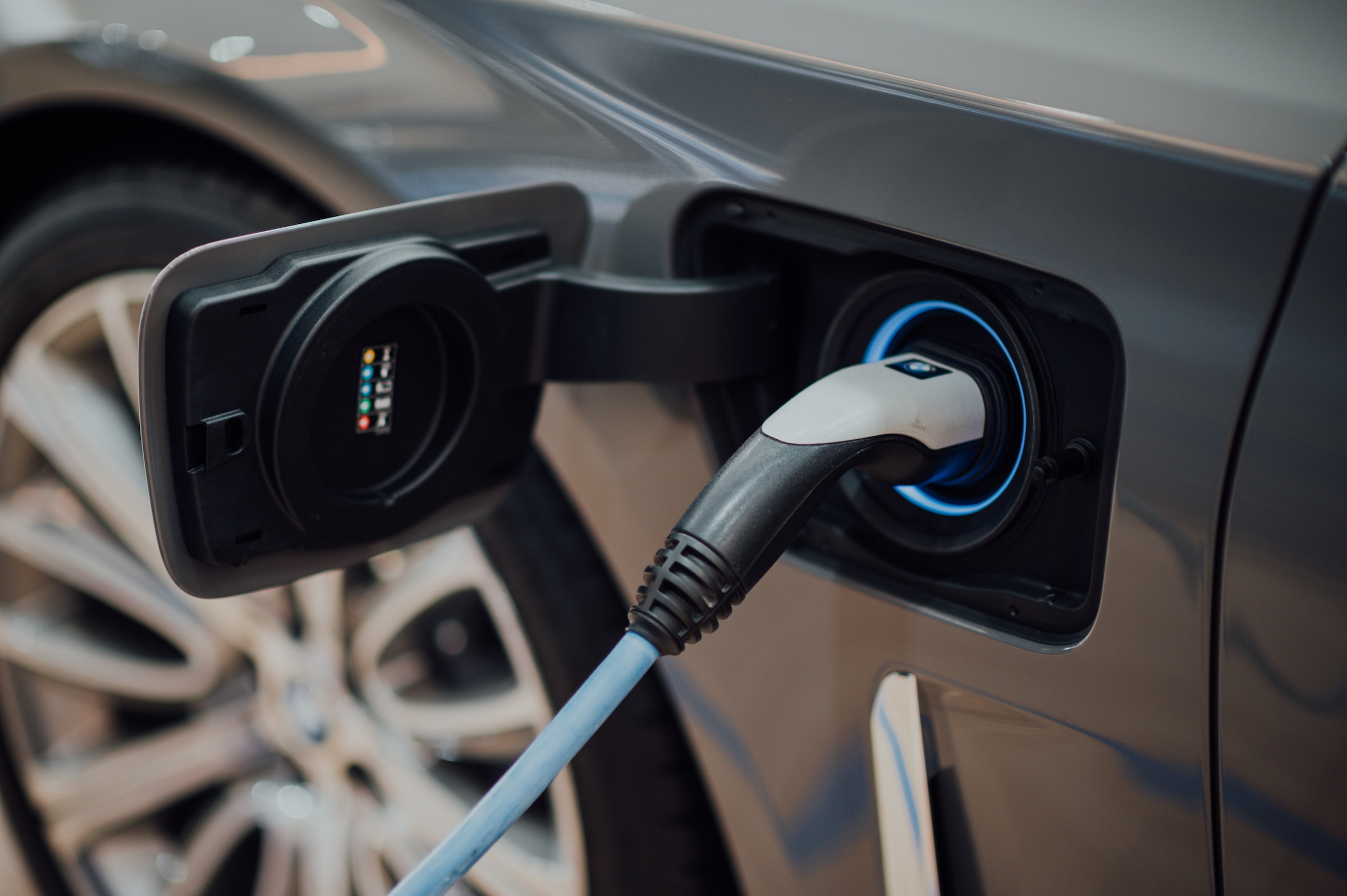
South Korea's third-largest mobile carrier, LG Uplus Corp, has partnered with Kakao Mobility Corp to establish a joint venture into the electric vehicle (EV) charging station business. Each company has committed approximately US$19 million to the venture, expected to emerge as a dominant player in the local EV charging market.
As per the agreement signed last Friday, both companies have invested 25 billion won (approximately US$19 million) each into the joint venture. LG Uplus will assume managerial rights, with an equal share ratio of 50% for both parties. It is worth mentioning that Kakao Mobility took one more week than LG Uplus to acquire 10 million shares. Consequently, the joint venture will be included as a consolidated subsidiary of LG U+.
Later this year, the joint venture will seek approval from South Korea's antitrust regulator. With LG Uplus having launched the EV charging service named VoltUp earlier this year and with Kakao Mobility offering mobile services for EV charging through its KakaoMap navigation platform, both companies are expecting the joint venture to occupy a leading position in the local EV charging market.
The official name and representative of the company will be confirmed upon the establishment of the joint venture. In January, LG Uplus acquired the electric vehicle charging division of its LG HelloVision subsidiary, which marked the beginning of the electric vehicle charging platform business.
The company plans to release the electric vehicle charging platform called 'Volt Up' in the second half of this year. The app, currently undergoing testing, will provide users with information about the location of electric car charging stations, enable reservation of charging time, offer payment and point accumulation features after charging, and provide round-the-clock counseling services.
Although Kakao Mobility does not directly operate a charging platform, it does provide search and payment services for electric vehicle charging stations. The industry predicts that both companies' integrating electric vehicle charging platforms is highly likely.
According to data from the Ministry of Land, Infrastructure and Transport, South Korea had nearly 400,000 electric vehicles on the road by the end of 2022. Electric vehicles are expected to grow to 4.2 million by 2030.
Photo: CHUTTERSNAP/Unsplash







