


 Brazil Supreme Court Convicts Eduardo Bolsonaro Over U.S. Lobbying Efforts
  Trump Threatens ABC News Lawsuit Over Lincoln Memorial Reflecting Pool Coverage
  Trump Orders DOJ Investigation Into Exxon, Chevron Over High Gas Prices
  In a rebuke to Trump, the Supreme Court rules that birthright citizenship is the law of the land
  Frank Stronach Found Guilty of Sexual Assault and Indecent Assault in Ontario Court
  Colombia Opens New Investigation Into Former President Álvaro Uribe Over Paramilitary Allegations
  Apple Challenges India Antitrust Probe, Says CCI Copied Rivals’ Claims in App Store Case
  US Judge Seeks Explanation for DOJ’s Decision to Drop Gautam Adani Bribery Case
  US Egg Producers Settle Price Manipulation Probe, Agree to Pay $3.3 Million and Donate 53 Million Eggs
  California Court Dismisses Trump Administration Lawsuit Against Los Angeles Sanctuary Policy
  ICC Judges Sue Trump Administration Over Sanctions, Calling Measures Unlawful
  US Appeals Court Limits ICE Detention Without Bond Hearings After 90 Days
  Bayer Wins Major U.S. Supreme Court Roundup Lawsuit, Shares Surge
  Texas Man Charged After Fatal Tesla Full Self-Driving Crash in Katy


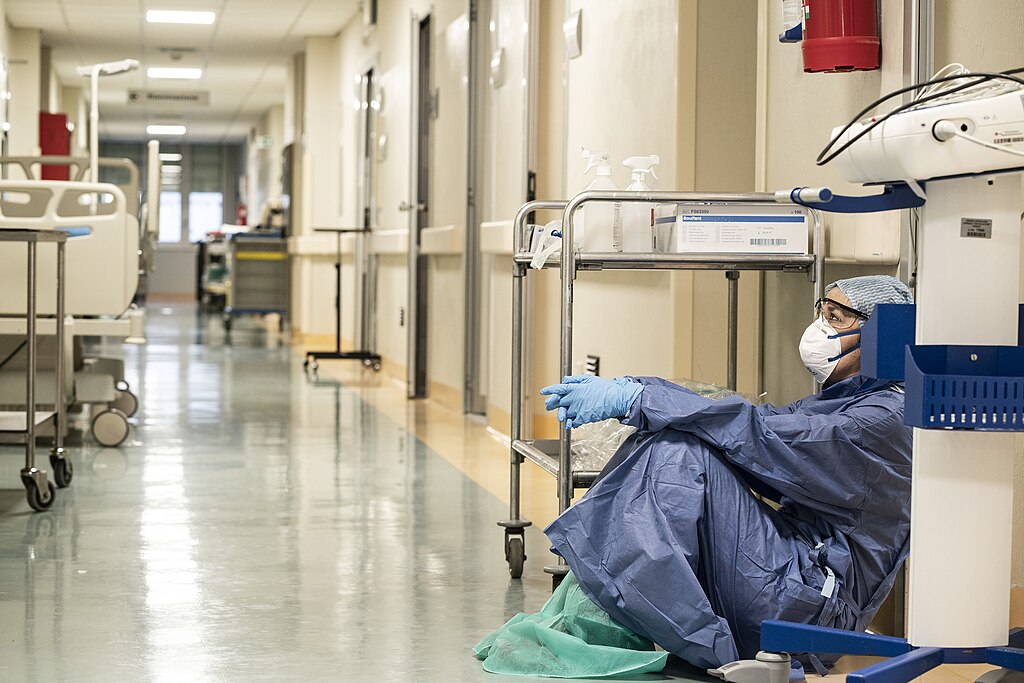
In a case that has sparked widespread discussion on employee rights and religious freedom, a federal jury in Detroit awarded former Blue Cross Blue Shield of Michigan employee Lisa Domski more than $12 million after she claimed her employer terminated her for refusing the COVID-19 vaccine on religious grounds. The landmark decision highlights the contentious intersection of workplace policies and religious freedoms in the era of COVID-19.
Domski, who worked with Blue Cross Blue Shield of Michigan, filed a lawsuit alleging religious discrimination after the health insurance giant terminated her employment. The jury found that Blue Cross had infringed upon her rights by not accommodating her religious beliefs, ultimately siding with Domski in a high-profile case that has drawn both national attention and strong opinions on both sides of the vaccination debate.
The Detroit jury awarded Domski $12.5 million in damages, a figure that reflects the jury’s acknowledgment of her claims of religious discrimination and the mental and emotional suffering she endured following her dismissal. According to court records, Domski argued that her refusal to be vaccinated against COVID-19 was grounded in her deeply held religious beliefs, and that Blue Cross’s decision to terminate her employment violated her civil rights.
Legal Victory Raises Questions About Employer Mandates
Domski’s victory marks a significant development in the ongoing debate over vaccine mandates in the workplace, particularly as more employees claim religious exemptions in response to company policies. The ruling may set a legal precedent, providing a framework for how future cases involving vaccine mandates and religious exemptions are handled.
“Today’s verdict is a victory not only for Lisa Domski but for every employee who faces discrimination due to their religious beliefs,” said her attorney in a statement following the decision. “This case sends a powerful message to employers: religious freedom cannot be disregarded.”
During the trial, Domski’s legal team presented evidence that Blue Cross Blue Shield of Michigan had not adequately explored alternatives to termination, such as remote work or regular testing, which would have allowed Domski to continue her employment without compromising her religious beliefs. The jury’s decision reflects a strong stance against what it viewed as the company’s unwillingness to accommodate religious objections, even in the face of pandemic-related policies.
Blue Cross’s Stance on Workplace Safety vs. Religious Freedom
Blue Cross Blue Shield of Michigan issued a brief statement expressing disappointment with the verdict and reaffirming the company’s commitment to workplace safety. “Blue Cross maintains that our policies were implemented to protect the health and well-being of our employees and customers. We respectfully disagree with the jury’s decision and are currently exploring options for appeal.”
The company’s statement underscores the tension many employers face as they navigate the legal and ethical responsibilities associated with maintaining workplace safety during a public health crisis. Critics argue that Blue Cross’s actions reflect a lack of respect for individual rights, while supporters contend that such mandates are essential for protecting the health of both employees and the broader public.
Broader Implications for Religious Exemption Cases
The $12 million award has sent ripples through both legal and corporate circles, with legal experts speculating that this case could open the door to more religious exemption lawsuits. As vaccination policies continue to be implemented across various industries, this ruling may empower employees to seek legal recourse if they feel their beliefs are being compromised.
For Lisa Domski, the jury’s decision represents a validation of her stance. “This has always been about protecting my rights and standing up for what I believe in,” Domski said after the verdict. “I hope this sends a message to other employers: we have rights, too.”
The outcome of this case not only emphasizes the challenges employers face in balancing safety and employee rights but also highlights a growing willingness among workers to challenge policies they view as infringements on personal freedoms. The case underscores the complex legal landscape surrounding COVID-19 policies and sets a new precedent in the ongoing debate over workplace mandates and religious liberty.







