


 China Reviews Broadcom Switch Use in State Data Centres
  Drug pollution in water is making salmon take more risks – new research
  Fed Unveils Stablecoin Rules Under GENIUS Act
  Thousands of satellites are due to burn up in the atmosphere every year – damaging the ozone layer and changing the climate
  OpenAI Urges US-Led Global Standards for Frontier AI
  Lake beds are rich environmental records — studying them reveals much about a place’s history
  Meta Connect Spotlights Camera-Free Smart Glasses Amid Privacy Concerns
  The world’s biggest trees could hold the secret to coping with drought
  McDonald’s Sees Flat Traffic, Sticky Inflation as New Normal
  Oil Prices Surge as U.S.-Iran Diplomacy Hopes Fade
  Rice feeds billions of people – but its role in fueling climate change is growing
  Microsoft Stock Upgraded as Stifel Sees Stronger Azure Growth
  Oracle Shares Fall as New Mexico AI Data Center Faces Power Delays
  Parasites are ecological dark matter – and they need protecting
  Wildfires ignite infection risks, by weakening the body’s immune defences and spreading bugs in smoke


 Add as a preferred source on Google
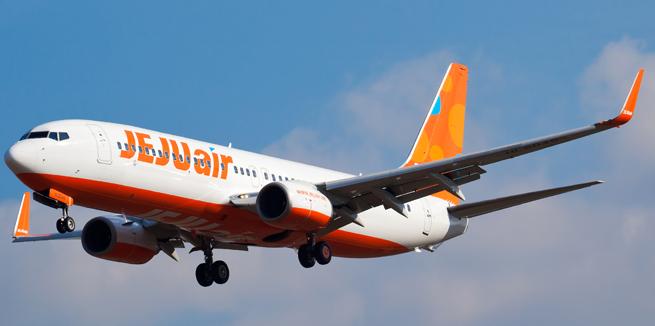
Jeju Air Co. is replacing aircraft brakes to lower aircraft weight and washing aircraft engines are among the measures to reduce carbon emissions.
South Korea's largest low-cost carrier announced Thursday that it had replaced the steel brakes on 24 planes with lightweight carbon fiber brakes, including four in 2019, five in 2020, 12 in 2021, and three in 2022.
Carbon brakes save around 320 kilos per aircraft as compared to steel brakes.
Carbon brakes can help reduce fuel weight by 11.52 kilos for a one-way trip between Gimpo and Jeju, resulting in 36.4 kilograms of carbon dioxide emissions.
Last year, Jeju Air was able to lower its fuel use by around 160 tons by operating 21 aircraft with new carbon brakes.
In addition, the corporation cut CO2 emissions by 505 tons last year and 154 tons in the first quarter of this year. Another plane will have an engine replacement this year.
Jeju Air also saves gasoline by cleaning their aircraft engines.
It has been washing its aircraft engines twice a year to remove extraneous contaminants from the engines and improve flight performance.







