


 Australia's Inflation Eases in February but Core Pressures Persist
  Gold Prices Surge on U.S.-Iran Ceasefire Reports
  WTO Reform Talks Begin in Cameroon Amid Global Trade Tensions
  Japan Eyes Oil Futures Intervention to Stabilize Yen Amid Middle East Crisis
  Iran-Israel Missile Strikes Continue Amid Mixed Signals on U.S.-Iran Diplomacy
  Asian Stocks Gain Amid Iran Conflict Uncertainty
  Currency Markets Show Caution Amid U.S.-Iran Negotiations
  Middle East War Rattles Global Markets as Oil Tops $100 and Dollar Surges
  Oil Prices Rebound as Iran Denies U.S. Talks Amid Gulf War Supply Fears
  Asian Currencies Weaken as Dollar Rebounds Amid Middle East Uncertainty and Japan Inflation Data
  Bank of Japan Eyes April Rate Hike Despite Inflation Dip, ING Says
  Japan's Private Sector Growth Slows in March Amid Rising Costs and Middle East Uncertainty
  Oil Prices Climb as Iran Reviews U.S. Peace Proposal Amid Middle East Tensions
  Gold Prices Climb as Middle East Ceasefire Talks Stir Market Optimism
  UK Consumer Confidence Weakens Amid Middle East Conflict and Rising Living Costs
  ECB Eyes Rate Hike Amid Iran Conflict-Driven Energy Price Surge


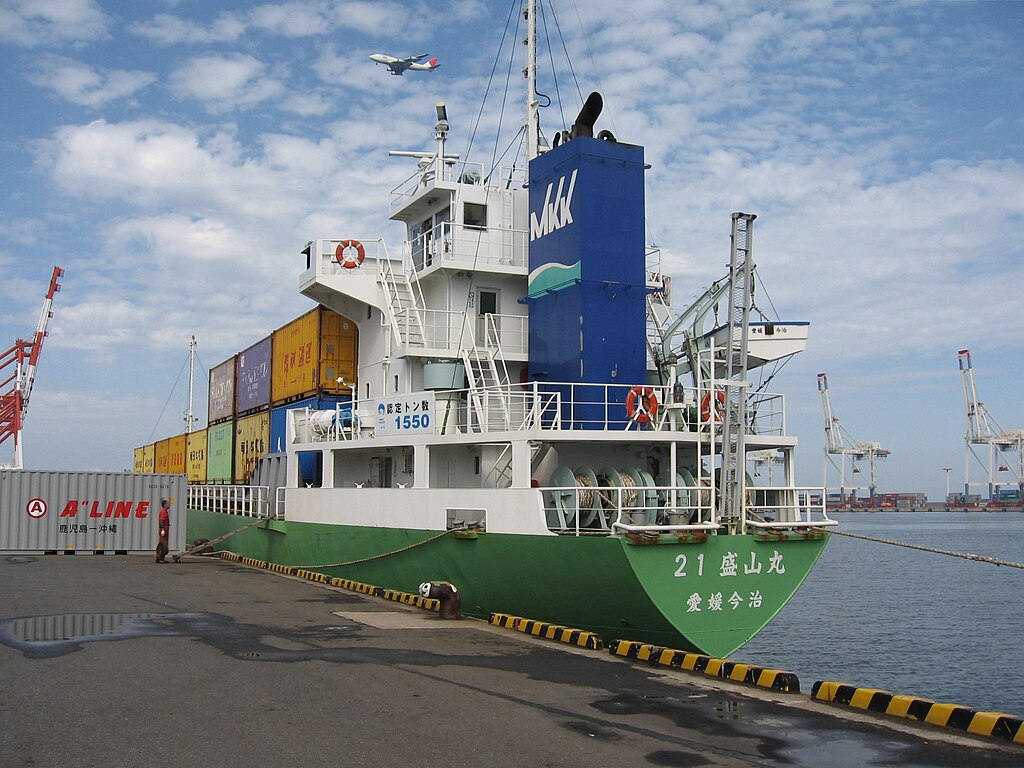
Japan’s exports grew for the fourth straight month in January, signaling a resilient economic recovery despite looming U.S. tariff threats. Data released Wednesday showed a 7.2% year-on-year increase, slightly below the 7.9% market forecast, but a strong improvement from December’s 2.8% rise.
Exports to China declined 6.2%, while shipments to the U.S. rose 8.1%, highlighting shifting trade dynamics. Imports surged 16.7%, exceeding the expected 9.7% rise, leading to a trade deficit of 2.759 trillion yen ($18.16 billion), wider than the projected 2.1 trillion yen shortfall.
The latest trade report follows robust GDP data, which showed faster-than-expected growth in Q4, bolstering expectations for continued interest rate hikes by the Bank of Japan. However, uncertainty looms as President Donald Trump considers imposing a 25% tariff on imported cars and retaliatory duties on countries taxing U.S. imports.
Japan, heavily reliant on exports, faces risks as the U.S. remains its largest trading partner, accounting for a fifth of total exports valued at $700 billion. While Japan maintains one of the lowest average tariff rates globally, its non-tariff barriers, such as automobile safety regulations, may face heightened scrutiny.
Automobiles remain a key sector, comprising 28% of U.S.-bound Japanese exports. Meanwhile, Trump has pressed Prime Minister Shigeru Ishiba to address Japan’s $68.5 billion trade surplus with the U.S.
Despite strong exports driving economic growth, analysts caution that rising inflation in food and essential goods could weigh on consumer spending, potentially slowing recovery momentum.
Japan led foreign direct investment in the U.S. in 2023, with $783.3 billion, surpassing Canada and Germany, according to U.S. Commerce Department data.













