


 How ongoing deforestation is rooted in colonialism and its management practices
  Oil Prices Surge as U.S.-Iran Diplomacy Hopes Fade
  We combed through old botanical surveys to track how plants on Australia’s islands are changing
  Wall Street Ends Flat as Oil, Treasury Yields and Fed Jitters Rattle Markets
  China’s ‘Lipstick King’ Says AI Won’t Replace Livestream Hosts
  US, China Extend Trade Truce to Jan. 10 Ahead of Trump-Xi Summit
  How is Antarctica melting, exactly? Crucial details are beginning to come into focus
  Trump, Xi Focus on Trade and AI at White House Summit
  US Stock Futures Fall as Treasury Yields Surge Ahead of Trump-Xi Summit
  Thousands of satellites are due to burn up in the atmosphere every year – damaging the ozone layer and changing the climate
  GesiaPlatform Launches Carbon-Neutral Lifestyle App ‘Net Zero Heroes’
  Fed Unveils Stablecoin Rules Under GENIUS Act
  Lake beds are rich environmental records — studying them reveals much about a place’s history
  Australia Unemployment Hits Five-Year High Despite Strong Jobs Growth


 Add as a preferred source on Google
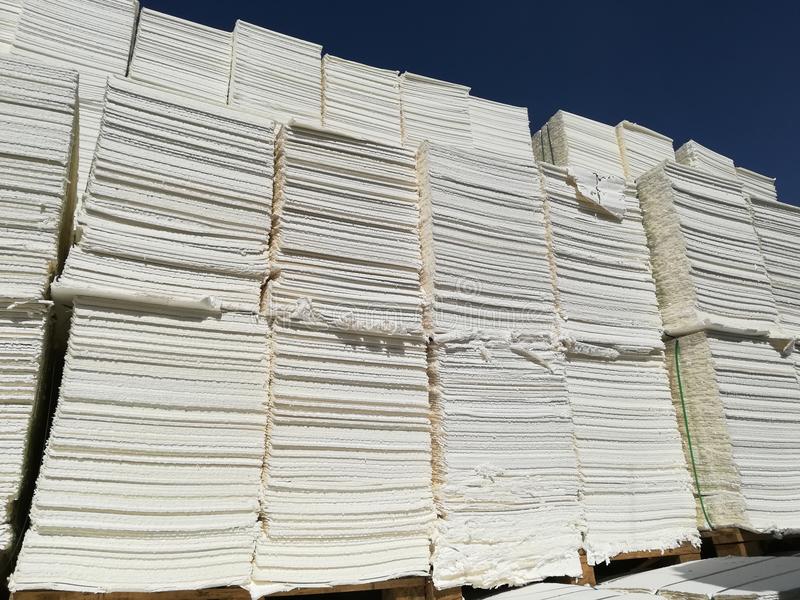
Numerous Japanese firms have turned to paper to replace plastic as their government prepares to enforce a law to improve plastic recycling practices and reduce waste beginning in April.
Fishery firm Nippon Suisan Kaisha Ltd became the first company to use Nippon Paper Industries Co.'s water-resistant cardboard products to replace its Styrofoam containers in transporting ice-packed fresh fish.
The cardboard is coated with a chemical for repelling water and moisture that allows boxes to hold water for up to three weeks.
The switch from Styrofoam to paper products can cut the use of petroleum-derived raw materials by 96 percent.
While cardboard boxes are more expensive than the Styrofoam products, it is more compact and saves space during transportation, on top of being recyclable.
Oji F-Tex Co has developed transparent paper to help cut the use of plastic film. The wrapper is 51 percent made out of paper and can be disposed of by burning.
Meanwhile, Daio Paper Corp began selling stir sticks and miniature hangers made from layered pulp, which is thickened for durability.







