


 Iran-Israel War Sparks Global Oil Crisis as Tankers Burn in Gulf Waters
  After the Iran war, Persian Gulf nations face tough decisions on the US – a former diplomat explains
  Shots Fired at U.S. Consulate in Toronto in Suspected National Security Incident
  U.S.-Israel War on Iran Sends Crude Oil Prices Surging Amid Strait of Hormuz Tensions
  Trump-Putin Call Addresses Iran War, Ukraine Peace, and Global Oil Crisis
  Trump Announces New U.S. Oil Refinery in Texas with Indian Energy Giant Reliance
  Iran-U.S. Oil Tensions Escalate as Revolutionary Guards Threaten Strait of Hormuz Blockade
  U.S. Senate Greenlights AI Chatbots for Official Staff Use
  IEA Releases Record 400 Million Barrels of Oil Amid U.S.-Iran War
  Anthropic Sues Pentagon Over AI Blacklist, Citing Free Speech Violations
  Taiwan's MQ-9B SkyGuardian Drone Order Stays on Schedule Despite Middle East Conflict
  U.S. Calls for Reassessment of International Aid to Taliban-Ruled Afghanistan
  Israel-Iran War: Herzog Urges Patience as U.S. and Israeli Strikes Intensify
  Mexico's Electoral Reform Bill Fails in Congress as Coalition Fractures
  Japan's BOJ Independence Under Fire as PM Takaichi's Rate Stance Draws Political Heat
  Boeing Secures $289 Million Smart Bomb Contract With Israel


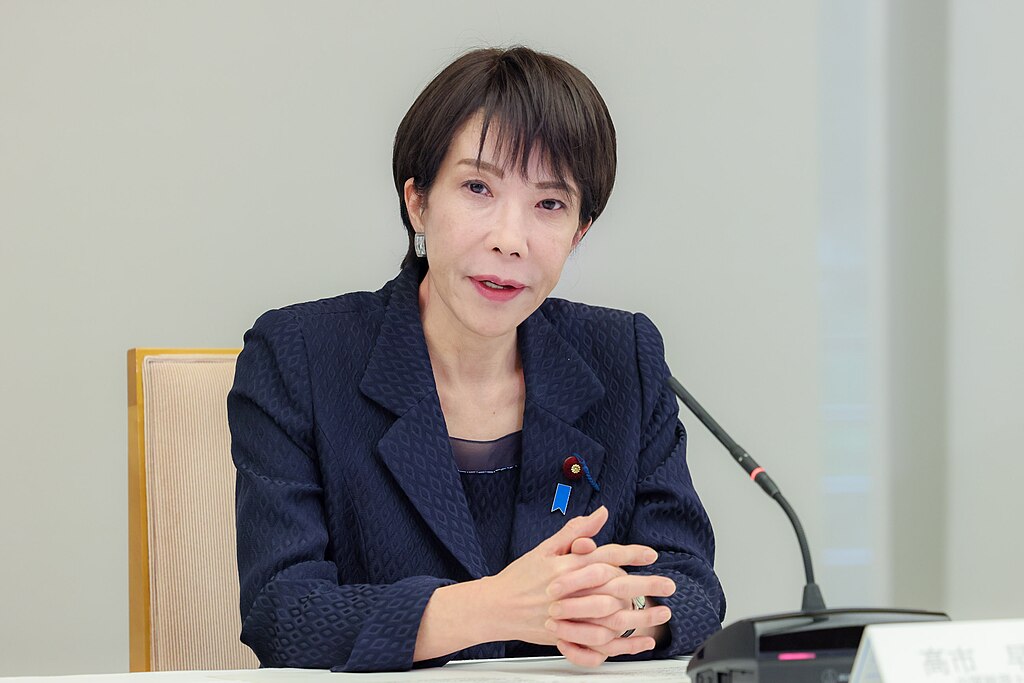
Japan’s financial markets were jolted after Prime Minister Sanae Takaichi called a snap general election for February 8, seeking voter support for her reflationist economic agenda. The decision triggered a sharp rise in Japanese government bond yields to multi-decade highs, reflecting growing investor anxiety over Japan’s already strained public finances and the future direction of fiscal and monetary policy.
Since taking office after Shigeru Ishiba, Takaichi has pushed the ruling Liberal Democratic Party (LDP) toward more aggressive government spending while signaling a retreat from long-standing fiscal austerity goals. Although she acknowledged the Bank of Japan’s December interest rate hike aimed at curbing excessive yen weakness, an election victory could strengthen calls within her camp to resist further rate increases to avoid slowing economic growth. Takaichi has pledged to suspend the 8% consumption tax on food for two years, arguing Japan’s fiscal stance has been “excessively” tight, though she has offered limited detail on how lost revenue would be replaced without issuing new debt.
The LDP’s coalition partner, the Japan Innovation Party (Ishin), traditionally advocates deregulation and spending cuts but has aligned with the tax suspension plan. Ishin maintains that funding can be secured without additional borrowing, reinforcing concerns among investors about fiscal credibility.
Opposition parties are offering contrasting visions. The Centrist Reform Alliance (CRA) supports permanently abolishing the food consumption tax from later this year, initially using government reserves and later proposing a sovereign wealth fund backed by reserves and the Bank of Japan’s ETF holdings. The Democratic Party for the People (DPP) favors targeted stimulus, including annual issuance of education bonds and a temporary cut in the consumption tax to 5%, while supporting gradual interest rate hikes if wage growth strengthens. Meanwhile, Sanseito is calling for scrapping the consumption tax entirely, expanding fiscal spending, and urging the BOJ to slow interest rate increases to protect the economy.
With inflation already above target and labor shortages persisting, analysts warn that expanded spending and tax cuts could further strain Japan’s finances, keeping bond yields elevated and market volatility high as voters head to the polls.













